CMO Maharashtra Highlights Women Farmer Empowerment Drive
Synopsis
The Chief Minister's Office of Maharashtra amplified the Mahila Shetkari Sakshamikaran initiative on 2 July 2026, drawing attention to the state's programme for training, credit access and market linkages for women cultivators, who form over 40 percent of Maharashtra's farm workforce.
Key Takeaways
The Chief Minister's Office of Maharashtra posted on 2 July 2026 highlighting the Mahila Shetkari Sakshamikaran (Women Farmer Empowerment) initiative.
Women constitute over 40 percent of Maharashtra's agricultural workforce, partly due to sustained male out-migration.
The scheme focuses on training, credit access and market linkages for women cultivators.
The national Mahila Kisan Sashaktikaran Pariyojana (launched 2011 ) and the state's Tejaswini programme (from 2003 ) form the policy foundation for this initiative.
In 2018 , Maharashtra's agriculture department issued gender budgeting guidelines and mandated women farmer registration in extension services.
District-level rollout details and budgetary allocations are expected in the upcoming state budget session.
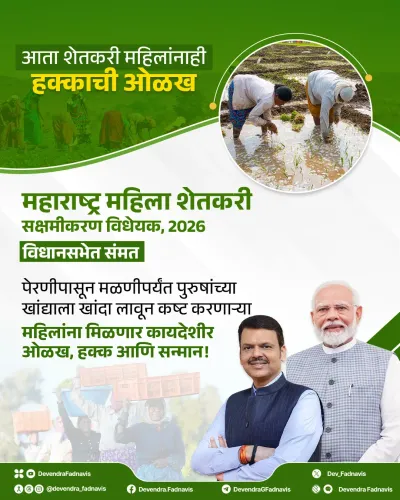
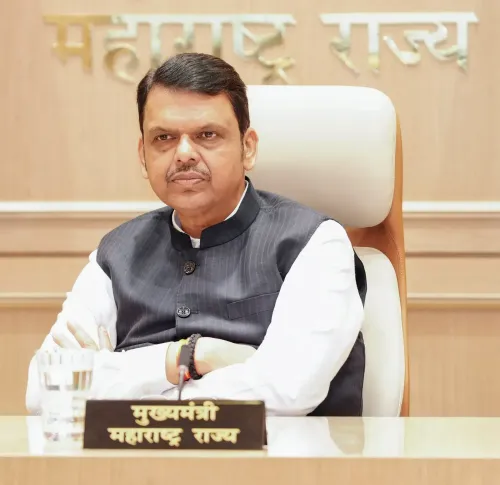
The Chief Minister's Office of Maharashtra posted on X (formerly Twitter) on 2 July 2026 under the hashtags #महिला_शेतकरी_सक्षमीकरण and #MahilaShetkariSakshamikaran, spotlighting the state government's ongoing initiative to empower women cultivators across Maharashtra.
Context
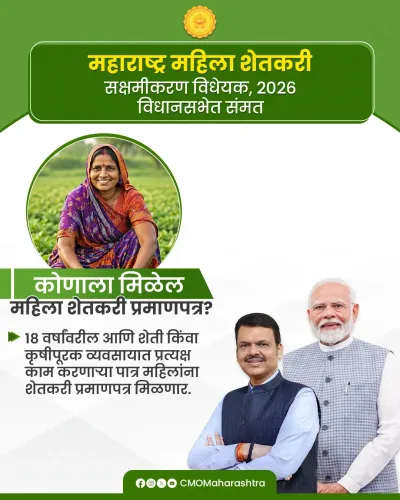
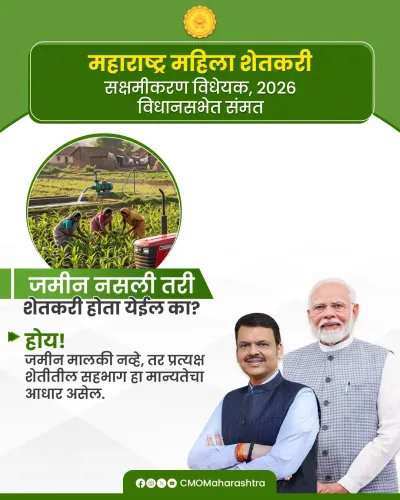
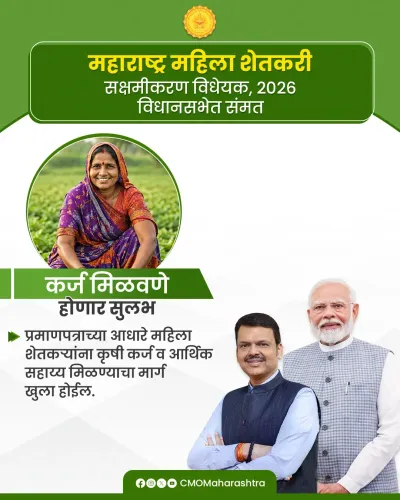
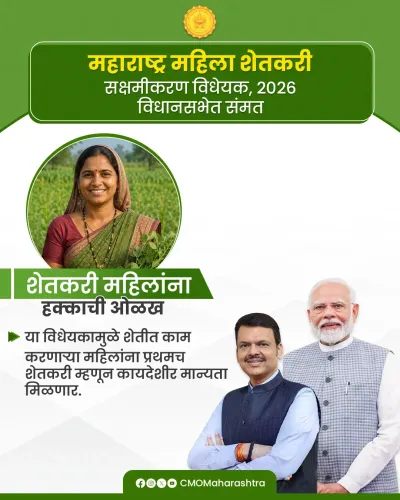
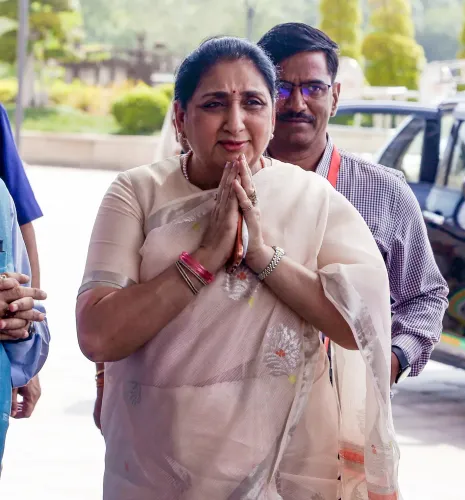
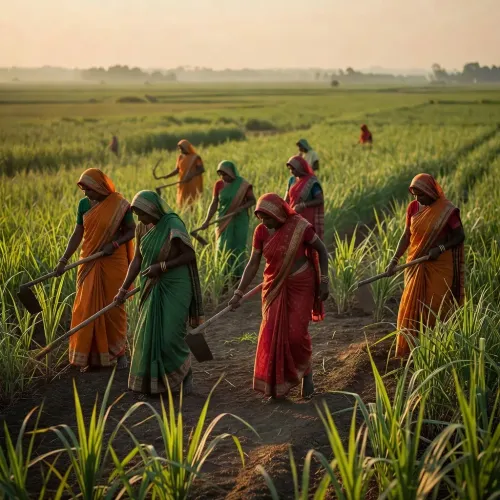
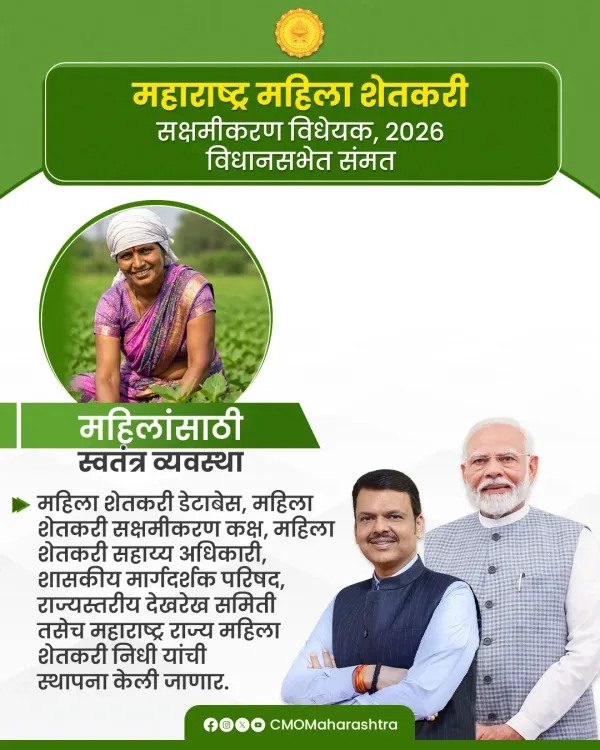
The hashtag #MahilaShetkariSakshamikaran — translating to 'Women Farmer Empowerment' — refers to a Maharashtra government initiative designed to extend training, credit access, and market linkages to women engaged in agriculture. The post was accompanied by two images, underscoring the campaign's visual outreach dimension. No additional text was included in the post beyond the hashtag identifiers.
Maharashtra is a western Indian state where women constitute over 40 percent of the agricultural workforce, a proportion driven in part by sustained male out-migration to urban centres. Recognising this demographic reality has become central to the state's rural development agenda.
Policy Backdrop
The Mahila Shetkari Sakshamikaran scheme sits within a layered policy architecture. At the national level, the Mahila Kisan Sashaktikaran Pariyojana, launched in 2011, sought to strengthen women farmers' collectives and self-help groups across states, including Maharashtra. The state built on this foundation through the Tejaswini programme, which expanded women's self-help group credit linkages from 2003 onward.
In 2018, the state agriculture department issued formal guidelines mandating gender budgeting and the registration of women farmers in extension services — a structural step toward ensuring women cultivators receive the same institutional attention as their male counterparts.
Stakeholders and Impact
Rural women and women farmers across Maharashtra's districts stand as the primary beneficiaries of the scheme's focus areas: agricultural training, access to institutional credit, and integration into formal market supply chains. These interventions address a long-documented gap wherein women perform the majority of farm labour but hold fewer formal land rights and receive less extension support.
The broader pattern visible across India shows states incrementally carving out dedicated sub-components within existing rural livelihood missions to address rising female labour force participation in farming. Maharashtra's initiative reflects this national trend while tailoring it to local conditions of high male migration and shifting landholding patterns.
What's Next
Observers will watch for district-level rollout announcements and specific budgetary allocations for women-focused agricultural training and equipment subsidies in the forthcoming Maharashtra state budget session. The CMO's social media amplification of the scheme signals continued political prioritisation of the initiative. Whether the campaign is accompanied by fresh financial commitments or expanded coverage targets will become clearer in subsequent official communications.
Point of View
Keeping flagship programmes in public discourse. Given that women farmers in Maharashtra remain underrepresented in formal land records and credit systems, the initiative addresses a structural gap — but the real test lies in district-level implementation and measurable credit disbursement data. The post, while light on specifics, stakes a reputational claim that will invite scrutiny when budget allocations are announced.
NationPress
2 Jul 2026
Frequently Asked Questions
What is the Mahila Shetkari Sakshamikaran scheme in Maharashtra?
The Mahila Shetkari Sakshamikaran scheme is a Maharashtra government initiative aimed at empowering women farmers through agricultural training, access to institutional credit, and market linkages to help them participate more fully in the farm economy.
What percentage of Maharashtra's farmers are women?
Women constitute over 40 percent of Maharashtra's agricultural workforce, a figure driven significantly by male out-migration to urban areas, which has left women as the primary cultivators in many rural households.
What is the Mahila Kisan Sashaktikaran Pariyojana?
The Mahila Kisan Sashaktikaran Pariyojana is a national rural development programme launched in 2011 to strengthen women farmers' self-help groups and collectives across Indian states, including Maharashtra.
What did Maharashtra's agriculture department do for women farmers in 2018?
In 2018, Maharashtra's agriculture department issued guidelines mandating gender budgeting and the formal registration of women farmers in extension services, ensuring they receive institutional agricultural support.
What is the Tejaswini programme in Maharashtra?
The Tejaswini programme, active from 2003 onward, expanded credit linkages for women's self-help groups in Maharashtra and forms part of the state's long-standing policy architecture supporting rural women's economic participation.