Coal Minister Reddy Says India Signed AI Supply Chain Declaration

Synopsis
Coal and Mines Minister G. Kishan Reddy says India has signed the San Francisco Declaration with nine partner nations to protect AI technology and infrastructure. He says five working groups will take the effort forward, but his post does not identify the partners or describe their planned measures.
Key Takeaways
Kishan Reddy said India signed the San Francisco Declaration with nine partner nations.
He described the declaration as part of the Pax Silica initiative.
Reddy said five working groups would take the effort forward.
His post did not name the partner nations or specify infrastructure protection measures.
India amended its mining law in 2023 to enable auctions of critical mineral blocks.
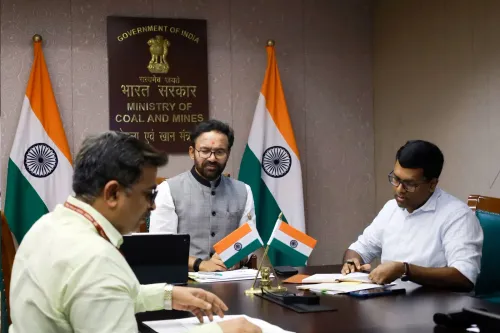
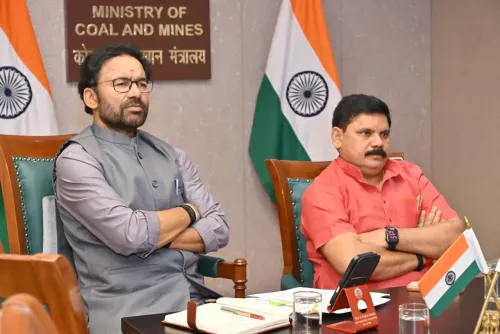
A single AI chip depends on a chain stretching from mines to data centres. Union Coal and Mines Minister G. Kishan Reddy said on 23 November 2026 that India had signed the San Francisco Declaration with nine partner nations to help protect the technologies and infrastructure behind artificial intelligence.
Reddy points to five working groups
In his post on X, Reddy described the declaration as part of the Pax Silica initiative and said five working groups would turn the agreement into action. He did not name the partner nations or specify what measures the groups would take.
Tracing a chip's journey through mines, refineries, factories and data centres, he wrote: ‘Break one link and the whole chain stalls.’ He said the aim was to protect AI technologies and infrastructure together, because ‘the security of each is strengthened by the vigilance of all’.
Why critical minerals matter to AI chips
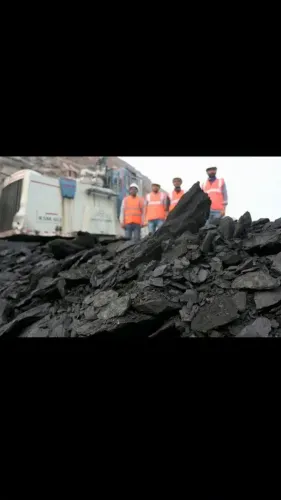
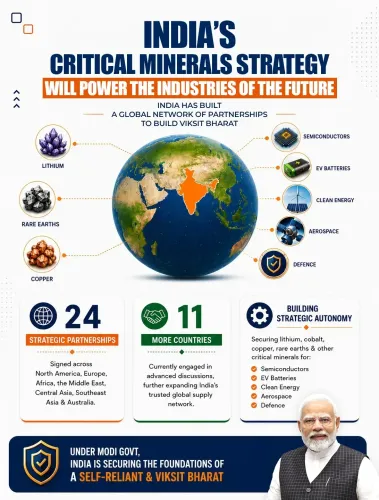
Advanced computing depends on supplies that cross borders before components reach a data centre. Concentration of critical mineral supplies can leave electronics and emerging technologies exposed to disruptions, making diversification an important concern for countries and industry.
India has pursued efforts to secure semiconductor and technology mineral supply chains. In 2023, it amended the Mines and Minerals (Development and Regulation) Act to enable auctions of critical mineral blocks.
The details will determine what the declaration delivers: which countries participate, how the five groups operate and what they propose to protect.
Frequently Asked Questions
What did Kishan Reddy say about the San Francisco Declaration?
He said India signed the declaration with nine partner nations to protect the technologies and infrastructure behind AI. He described it as part of the Pax Silica initiative.
How many working groups did Reddy mention for the AI declaration?
Reddy said five working groups would turn the declaration into action. His post did not specify their mandates.
Which countries signed the declaration with India?
Reddy's post did not name the nine partner nations he said joined India.
Why are critical minerals important for AI supply chains?
Critical minerals are inputs for electronics and emerging technologies, including advanced computing. Concentrated supplies can expose these industries to disruption.
What did India change in its mining law in 2023?
India amended the Mines and Minerals (Development and Regulation) Act to enable auctions of critical mineral blocks.