'Cockroach' protests hit Coimbatore, Madurai over jobs and NEET row
Synopsis
A satirical online meme became a street movement. After remarks attributed to Chief Justice Surya Kant allegedly likening unemployed youth to 'cockroaches', DYFI and SFI activists in Tamil Nadu turned the slur into a protest identity — marching through Coimbatore and Madurai on 24 May to demand jobs, NEET accountability, and fuel price relief. The 'Cockroach Janata Party' trend shows how Gen Z is rewriting the grammar of political dissent.
Key Takeaways
DYFI and SFI held 'Cockroach' protests in Coimbatore and Madurai on 24 May 2025 .
Demonstrators demanded action on unemployment , NEET irregularities , rising fuel prices , and corruption .
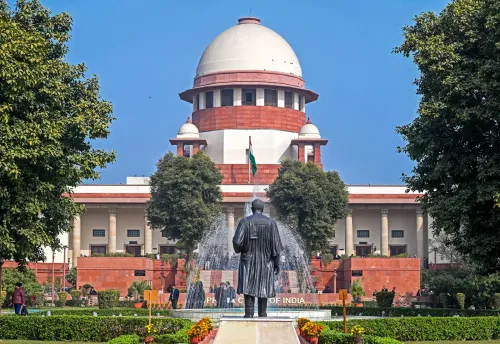
The 'cockroach' symbol reportedly stems from remarks attributed to Chief Justice of India Surya Kant allegedly comparing unemployed youth to 'cockroaches and parasites'.
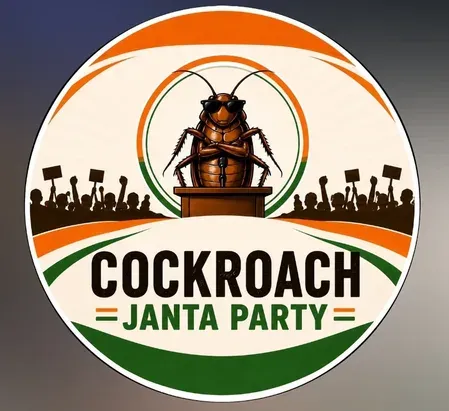
A satirical 'Cockroach Janata Party' (CJP) trend gained traction online, especially among Gen Z users.
Police were deployed along rally routes in both cities; no untoward incidents were reported.
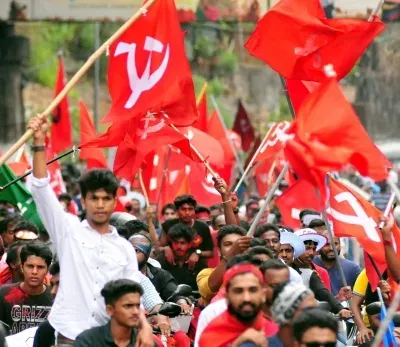
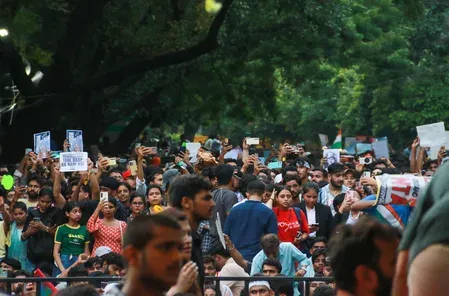
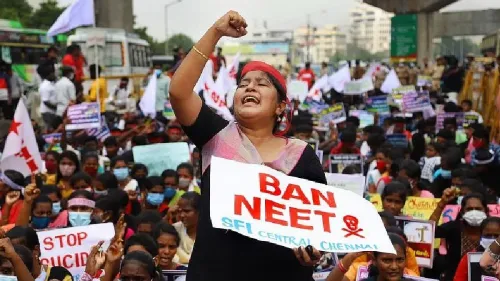
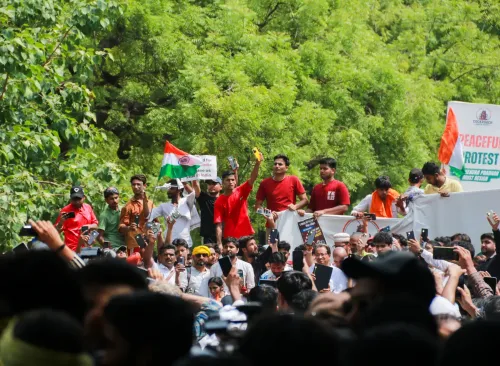
Youth organisations affiliated with the Democratic Youth Federation of India (DYFI) and the Students' Federation of India (SFI) staged coordinated demonstrations in Coimbatore and Madurai, Tamil Nadu, on Sunday, 24 May, under the provocative banner 'Cockroach', demanding action on unemployment, alleged irregularities in the NEET examination, rising fuel prices, and corruption. The rallies drew large numbers of students and young people and attracted significant public attention for their unusual symbolism.
How the Protests Unfolded
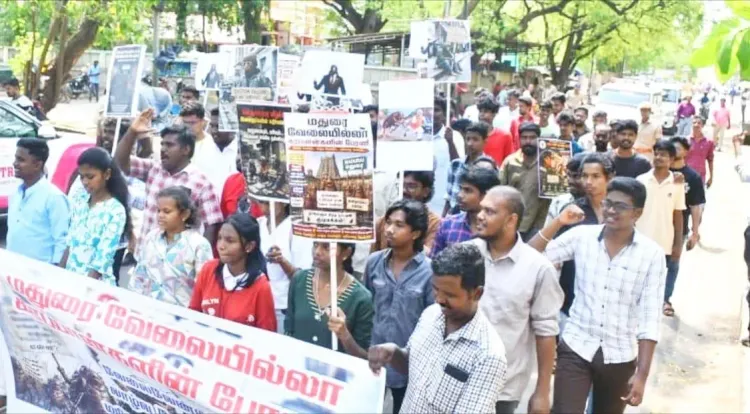
In Madurai, participants assembled near the Gandhi Memorial Museum before marching towards Tamukkam Grounds, carrying placards featuring cockroach symbols and raising slogans against unemployment and corruption. In Coimbatore, the district unit of DYFI organised a procession that began near Corporation Boys Higher Secondary School at Sidhapudur in Gandhipuram and concluded at the Gandhipuram bus stand, with youths wearing cockroach masks. Police personnel were deployed along both routes to maintain order and manage traffic.
The Symbolism Behind 'Cockroach'
The 'Cockroach' motif reportedly gained traction following remarks attributed to Chief Justice of India Surya Kant, who allegedly compared unemployed youths to 'cockroaches and parasites' — a characterisation that drew sharp public backlash. Organisers said many young people facing unemployment and livelihood pressures had begun identifying with the symbol as an expression of frustration and resistance. A satirical online trend identified as the 'Cockroach Janata Party' (CJP) reportedly surged in popularity, particularly among Gen Z users, amplifying the protest's reach well beyond the streets.
Key Demands Raised
Among the specific demands articulated during the rallies were measures to address rising unemployment, accountability for alleged irregularities in the NEET examination process, steps to curb escalating petrol and diesel prices, and stronger constitutional safeguards for educational rights. Organisers said the demonstrations were intended to draw the Union government's attention to what they described as pressing, systemic challenges facing young people across the country.
Broader Significance
The protests reflect a growing undercurrent of discontent among sections of India's youth over employment prospects and economic pressures. Notably, this is not an isolated episode — youth-led demonstrations over NEET irregularities and joblessness have recurred across multiple states in recent years. What distinguishes this wave is how an online satirical trend was converted into street mobilisation within days, underscoring the increasingly decisive role of social media in shaping political messaging and public action. Whether the Union government responds to the specific demands raised remains to be seen.
Point of View
NEET has faced credible allegations of paper leaks and access inequity for two consecutive cycles, and fuel prices have not meaningfully corrected despite global crude softening. DYFI and SFI are Left-aligned organisations, so the political valence here is not neutral — but the grievances they are amplifying are real and cross-partisan. The Union government's silence on the specific demands, particularly NEET reform, is itself a data point worth tracking.
NationPress
20 Sept 2026
Frequently Asked Questions
What are the 'Cockroach' protests in Tamil Nadu?
The 'Cockroach' protests are demonstrations organised by DYFI and SFI in Coimbatore and Madurai on 24 May 2025, demanding government action on youth unemployment, NEET exam irregularities, rising fuel prices, and corruption. The unusual name and symbolism drew wide public attention.
Why is the 'cockroach' symbol being used in these protests?
According to organisers, the symbol reportedly gained currency after remarks attributed to Chief Justice of India Surya Kant allegedly compared unemployed youth to 'cockroaches and parasites'. Protesters reclaimed the term as a symbol of resistance and frustration.
What is the 'Cockroach Janata Party' trend?
The 'Cockroach Janata Party' (CJP) is a satirical social media trend that reportedly went viral, particularly among Gen Z users, following the controversy over the remarks attributed to the Chief Justice. Organisers say it helped mobilise young people around the protest identity online.
What specific demands did protesters raise?
Protesters called for measures to reduce unemployment, accountability for alleged NEET examination irregularities, controls on rising petrol and diesel prices, and stronger protections for educational rights. The demands were directed at the Union government.
Who organised the protests and where did they march?
The protests were organised by the Democratic Youth Federation of India (DYFI) and the Students' Federation of India (SFI). In Madurai, the rally went from the Gandhi Memorial Museum to Tamukkam Grounds; in Coimbatore, the procession ran from Sidhapudur in Gandhipuram to the Gandhipuram bus stand.