CJI Surya Kant warns of 'parasites' targeting judiciary via social media
Synopsis
Chief Justice of India Surya Kant used some of the sharpest language heard from the Supreme Court bench in recent memory — calling out ‘parasites’ and ‘youngsters like cockroaches’ targeting institutions online. The remarks, made during a routine senior designation dispute, reveal how seriously the apex court is watching the digital assault on judicial credibility.
Key Takeaways
CJI Surya Kant on 15 May warned against ‘parasites’ seeking to undermine the judiciary through social media and other platforms.
The bench, also comprising Justice Joymalya Bagchi , was hearing an advocate’s third petition challenging the Delhi High Court’s refusal to grant him senior designation.
The CJI orally remarked that some unemployed ‘youngsters like cockroaches’ become media, RTI, or social media activists and ‘start attacking everyone.’ He stated he had serious doubts about the law degrees of certain Delhi -based lawyers and was awaiting a suitable case to order a probe.
The petition was ultimately dismissed as withdrawn after the lawyer apologised and sought withdrawal of the bench’s initial dictated order.
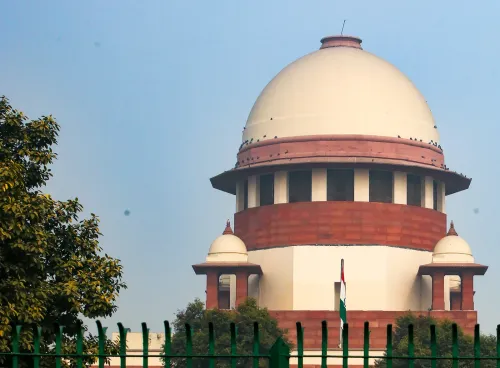
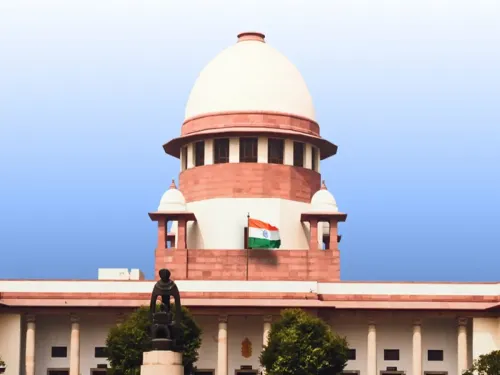
Chief Justice of India (CJI) Surya Kant on Friday, 15 May issued sharp oral observations from the Supreme Court bench, warning that “parasites” in society were actively seeking to undermine judicial institutions through social media and other platforms. The remarks came during a hearing in New Delhi and drew immediate attention for their unusually direct language.
Context of the Hearing
The bench, comprising CJI Surya Kant and Justice Joymalya Bagchi, was hearing a petition filed by an advocate challenging the Delhi High Court’s refusal to consider him for senior designation — the third such application filed by the same lawyer. The petitioner, appearing in person, contended that earlier directions for reconsideration of deferred or rejected senior designation applications had not been acted upon expeditiously.
The bench expressed clear displeasure over the pattern of repeated litigation on the matter, orally observing that senior designation was a recognition conferred by the court and not a right to be relentlessly pursued through successive petitions.
Key Observations on Social Media Activism
“There are already parasites in society who attack the system,” CJI Surya Kant said orally, cautioning members of the Bar against “joining hands” with such elements. He went further, remarking: “There are youngsters like cockroaches, who don’t get any employment and don’t have any place in the profession. Some of them become media, some of them become social media, some of them become RTI activists, some of them become other activists, and they start attacking everyone.”
The CJI also flagged concern over certain lawyers active on online platforms, stating he had “serious doubts” about the genuineness of the law degrees of some Delhi-based lawyers and remarked orally that he was awaiting an appropriate case to consider ordering a probe into the issue.
References to Online Content
Referring to material circulated online, the bench noted that the Supreme Court was aware of content being posted on platforms such as Facebook and YouTube. The observations signal a heightened institutional awareness of the volume and nature of criticism directed at the judiciary through digital channels.
This comes amid a broader pattern of senior judicial figures flagging concerns about what they describe as coordinated campaigns to erode public trust in courts — a trend that has drawn both support and criticism from legal scholars and civil society groups.
How the Petition Concluded
When the bench initially dictated an order stating the petitioner did not deserve senior designation in view of his conduct and repeated filings, the lawyer apologised and requested that the remarks be withdrawn. The apex court subsequently recalled the dictated portion and ultimately dismissed the plea as withdrawn.
With the Supreme Court increasingly vocal about institutional attacks in the digital space, the question of where legitimate criticism ends and destabilising conduct begins is likely to remain a live debate within legal and public discourse.
Point of View
But the framing risks conflating bad-faith trolling with constitutionally protected dissent. What the remarks do not address is the structural question: if public trust in courts is eroding, is social media the cause or merely the symptom? Courts that are seen to be accountable tend to be harder to attack credibly. The bench’s decision to ultimately dismiss the petition as withdrawn, rather than proceed with a formal adverse order, also suggests a degree of institutional caution even as the oral observations were pointed.
NationPress
9 Oct 2026
Frequently Asked Questions
What did CJI Surya Kant say about social media and the judiciary?
CJI Surya Kant orally warned on 15 May that ‘parasites’ in society were attacking judicial institutions through social media and other platforms, and cautioned lawyers against aligning with such elements. He also remarked that unemployed youngsters ‘like cockroaches’ were becoming social media or RTI activists and targeting everyone.
What was the case being heard when CJI made these remarks?
The remarks arose during a petition filed by an advocate challenging the Delhi High Court’s refusal to consider him for senior designation — his third such petition. The petitioner argued that earlier directions for reconsideration had not been followed promptly.
What did the Supreme Court say about lawyers’ law degrees?
CJI Surya Kant orally stated he had serious doubts about the genuineness of law degrees held by some Delhi-based lawyers and remarked that he was awaiting an appropriate case to consider ordering a probe into the issue.
How did the petition end?
When the bench initially dictated an order stating the petitioner did not deserve senior designation given his conduct and repeated filings, the lawyer apologised and requested the remarks be withdrawn. The Supreme Court recalled that portion and dismissed the plea as withdrawn.
Why are the CJI’s remarks significant?
The observations signal that the Supreme Court is actively monitoring digital criticism directed at the judiciary, including content on Facebook and YouTube. They reflect growing institutional concern about what senior judges describe as organised campaigns to undermine public trust in courts.