Congress backs Sanjay Dutt's peace remarks, calls them 'absolute truth'
Synopsis
A light-hearted talk-show quip by Sanjay Dutt about not feeling peace in India became political ammunition within days — Congress leaders declared it 'absolute truth' and indicted the BJP on law and order, even as Dutt himself rushed to clarify the remarks were scripted. The gap between what a celebrity said and how a political party weaponised it tells a sharper story than either side would like to admit.
Key Takeaways
Congress leader Nana Patole called Sanjay Dutt's remarks 'the absolute truth' and alleged citizens were being killed in broad daylight under BJP governments.
Congress MP Pramod Tiwari argued the remarks came from Dutt's heart, citing the actor's history with TADA and time in jail.
Sanjay Dutt clarified on X that the comments were part of a scripted, light-hearted conversation on Shekhar Tonite aired on Gandhi Jayanti .
Shiv Sena (UBT) spokesperson Anand Dubey took a different line, urging the remarks be read in context and not politicised.
The BJP had not formally responded to the Congress allegations as of the time of reporting.
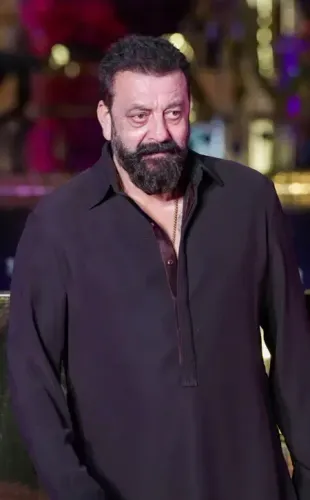
Bollywood actor Sanjay Dutt's recent comments about no longer feeling the same sense of peace in India have triggered a political row, with Indian National Congress leaders rallying behind the remarks on Monday, 5 October 2026, even as Dutt himself clarified the statements were part of a scripted, light-hearted exchange on a talk show.
Congress Leaders Weigh In
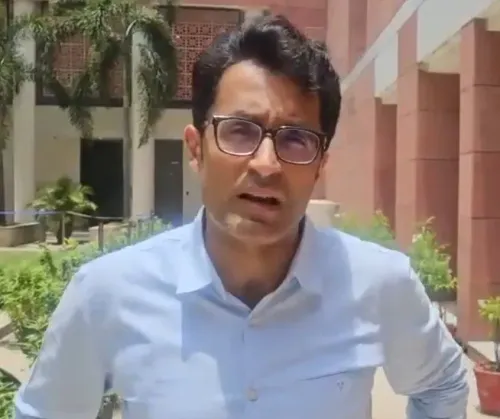
Congress leader Nana Patole said Dutt had 'spoken the absolute truth' and alleged that citizens were being killed in broad daylight in states governed by the Bharatiya Janata Party (BJP). 'He has spoken the absolute truth that whether in states or countries, wherever there is a BJP government, people are being killed in broad daylight. People are not safe, and therefore he has made the BJP, Central Government and state governments aware of this. It should be taken seriously,' Patole said.
Patole added that if citizens feel unsafe, the government is duty-bound to act. 'If people are not safe in the country, then the common person in the country also has the right to speak because governments are formed by people's votes. This government has come through the electoral process, so if it has come through the people's mandate, it should take cognisance of this and immediately stop the goondaism that has increased in the country and the states,' he said.
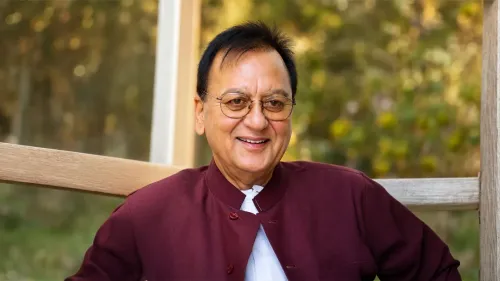
Congress MP Pramod Tiwari also endorsed Dutt's sentiments, arguing they reflected genuine personal anguish rather than scripted dialogue. 'It came from his heart. He was under pressure, TADA had already been imposed on him, and he had spent considerable time in jail, so he took it back. If it was scripted, then how did such a truthful statement come out of his mouth?' Tiwari said, invoking Dutt's legal past as context for his remarks.
Sanjay Dutt's Original Remarks and Clarification
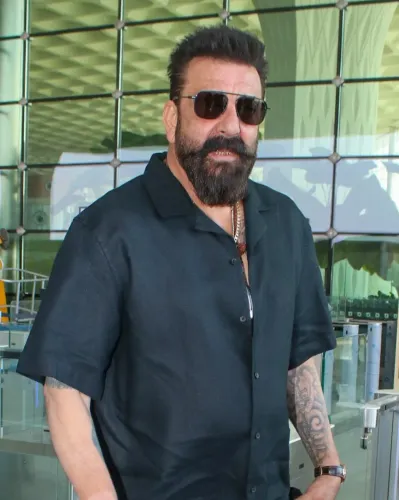
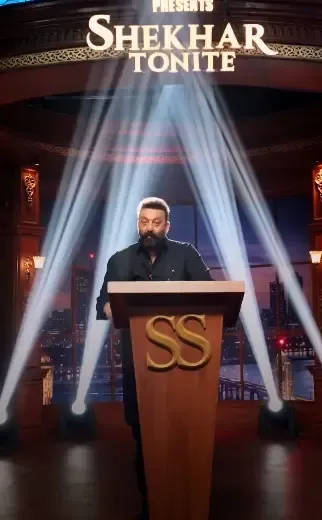
The controversy stems from Dutt's appearance on Shekhar Suman's talk show Shekhar Tonite on the occasion of Gandhi Jayanti, where the actor spoke about the country's prevailing atmosphere. 'The people of this country are so lovely. There should be peace here. I can't feel that peace in our country anymore. We Indians are large-hearted people, and we are hospitable. We have given so much, and we should always remain that way. I pray to Shivji that those days come back soon,' Dutt had said.
On Sunday, Dutt took to X to walk back the political reading of his words. 'I would like to clarify that it was never my intention to hurt, offend, or disrespect the sentiments of any individual, community, or institution,' he wrote. He explained that his remarks were part of a scripted, humorous conversation inspired by the spirit of films like Munna Bhai — particularly the philosophy of 'Gandhigiri', which promotes love, warmth, and goodwill.
Shiv Sena (UBT) Urges Contextual Reading
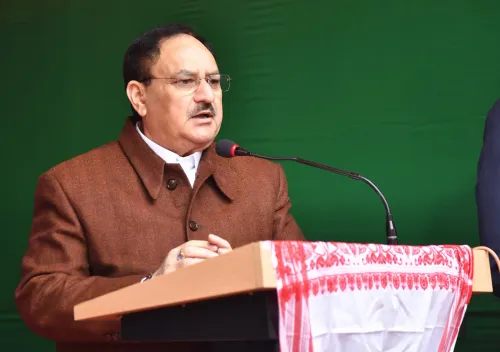
Shiv Sena (UBT) spokesperson Anand Dubey offered a more measured take, urging observers to understand the remarks in their original context. 'Sanjay Dutt is a film actor. He said in a podcast with Shekhar Suman that he does not find the kind of peace in India that he wants. Now, he has clarified the context in which he made the statement and whom he was referring to,' Dubey said.
Dubey referenced Dutt's iconic Munna Bhai persona and said India continues to move towards a brighter future despite the many challenges it has faced since independence. 'India has struggled a lot during these 80 years. So, this is our own country. Those who feel that something is wrong here can simply go somewhere else,' Dubey added, notably striking a tone at odds with the Congress position.
What This Signals
The episode is notable for several reasons. It illustrates how celebrity statements — even those made on entertainment platforms and later disavowed — can be rapidly appropriated for political messaging. This is not the first time Dutt's personal history, including his conviction under the Arms Act and time in jail, has intersected with political debate. Congress's decision to cite his remarks as evidence of a broader law-and-order failure under BJP governments reflects an ongoing opposition strategy ahead of state election cycles. The BJP is yet to formally respond to the claims made by Patole and Tiwari. How Dutt himself navigates the continued political use of his clarified remarks remains to be seen.
Point of View
Leaving Congress leaders defending a position the original speaker no longer holds. Shiv Sena (UBT)'s more cautious response signals that not every opposition camp sees electoral gain in over-reading a Bollywood clarification. The real story here is about the speed at which celebrity speech gets stripped of context and re-deployed — a dynamic that says more about India's fractured information environment than about law and order in any specific state.
NationPress
5 Oct 2026
Frequently Asked Questions
What did Sanjay Dutt say that sparked the controversy?
Sanjay Dutt, appearing on Shekhar Suman's talk show Shekhar Tonite on Gandhi Jayanti, said he could no longer feel the same sense of peace in India he once did. He later clarified on X that the remarks were part of a scripted, humorous conversation and were not intended to offend any individual or institution.
Why did Congress back Sanjay Dutt's remarks?
Congress leaders Nana Patole and Pramod Tiwari seized on the remarks to allege a broader law-and-order failure under BJP-governed states, calling Dutt's comments 'the absolute truth'. They argued citizens are increasingly unsafe and urged the government to act on public concerns.
What was Sanjay Dutt's clarification about?
Dutt posted on X saying it was never his intention to hurt, offend, or disrespect any individual, community, or institution. He explained the remarks were scripted and light-hearted, drawing a parallel to the 'Gandhigiri' spirit of his Munna Bhai films.
How did Shiv Sena (UBT) respond to the row?
Shiv Sena (UBT) spokesperson Anand Dubey urged the remarks be understood in their original context, noting that Dutt is a film actor who had since clarified his intent. Dubey struck a more cautious tone compared to the Congress, saying India is moving towards a bright future despite past challenges.
Has the BJP responded to Congress's allegations?
As of reporting on 5 October 2026, the BJP had not issued a formal response to the allegations made by Nana Patole and Pramod Tiwari linking Dutt's remarks to law-and-order conditions under BJP governments.