Congress appoints Adivasi Congress chiefs in 5 states to boost tribal outreach
Synopsis
The Congress has named new All India Adivasi Congress chiefs across five states and Union Territories — from Jharkhand to Andaman — in a calculated pre-election push to reclaim tribal voters it has been losing ground on. The appointments, cleared by Kharge, suggest the party is treating Adivasi mobilisation as an organisational priority, not just a policy talking point.
Key Takeaways
The AICC on 11 July appointed new State Chairpersons for the All India Adivasi Congress across five regions.
Appointees: Umesh Chandra (Uttar Pradesh), Raj Oraon (Jharkhand), Sanghrima Chongthu (Mizoram), Sameer Anup Minj (Andaman and Nicobar Islands), Suresh Ramanbhai Radiya (Dadra and Nagar Haveli).
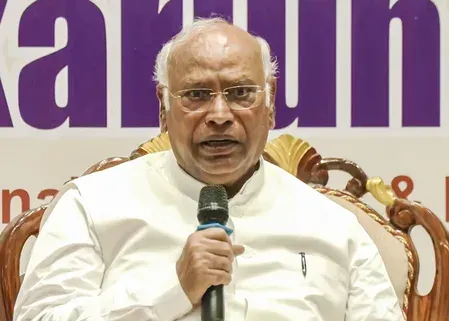
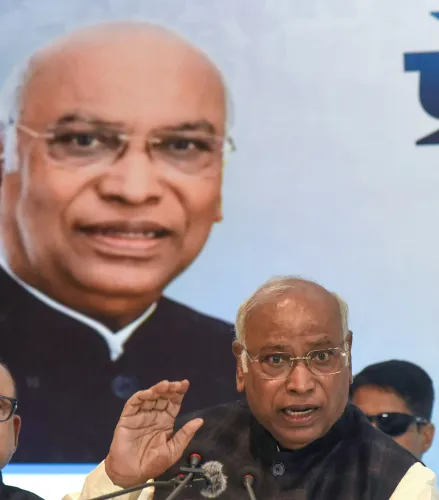
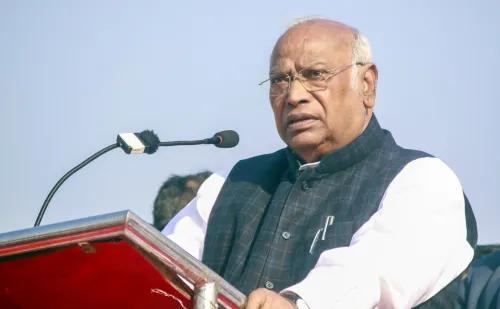
The decision was approved by Congress President Mallikarjun Kharge and takes immediate effect.
The wing advocates for Scheduled Tribe rights on land, forests, education, healthcare, and reservations.
The move is widely seen as part of Congress's pre-election strategy to strengthen its foothold in tribal-dominated constituencies.
The All India Congress Committee (AICC) on Saturday, 11 July announced fresh appointments of State Chairpersons for the All India Adivasi Congress, the party's dedicated tribal wing, in a move aimed at deepening grassroots engagement with Scheduled Tribe communities across strategically important regions. The decision was approved by Congress President Mallikarjun Kharge and takes immediate effect.
The New Appointments
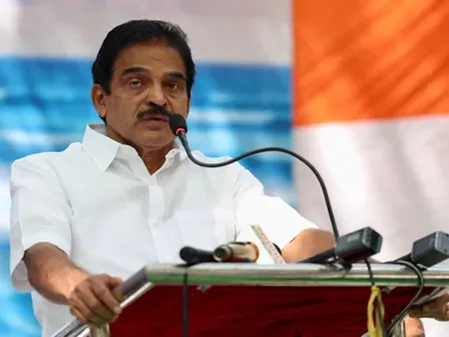
According to a press statement issued by AICC General Secretary K.C. Venugopal, five new State Chairpersons have been named: Umesh Chandra for Uttar Pradesh, Raj Oraon for Jharkhand, Sanghrima Chongthu for Mizoram, Sameer Anup Minj for the Andaman and Nicobar Islands, and Suresh Ramanbhai Radiya for Dadra and Nagar Haveli. The appointments span mainland heartland states, a northeastern state, and Union Territories — reflecting a deliberate geographic spread.
Why These Regions Matter
Jharkhand has one of the country's largest Adivasi populations and tribal identity is central to its electoral arithmetic. Parts of Uttar Pradesh also host significant Scheduled Tribe communities whose votes can be decisive in closely contested constituencies. The inclusion of Mizoram and the Andaman and Nicobar Islands signals that the Congress is looking beyond traditional strongholds to build organisational depth in peripheral but symbolically important territories.
What the Adivasi Congress Does
The All India Adivasi Congress functions as the tribal affairs wing of the Indian National Congress (INC), advocating on issues including land rights, forest conservation, education, healthcare access, and reservation policies for Scheduled Tribes. The wing operates at the state and district level, coordinating with local leadership on welfare scheme implementation and community mobilisation.
The Broader Political Context
This reorganisation comes as the Congress seeks to rebuild its organisational machinery ahead of upcoming Assembly and Parliamentary elections. The party has faced sustained competition from the Bharatiya Janata Party (BJP) in tribal belts — particularly in states like Jharkhand, Chhattisgarh, and Madhya Pradesh — where Adivasi voters have increasingly been courted by multiple political formations. Notably, the BJP's own tribal outreach, including the elevation of President Droupadi Murmu, has reshaped the competitive landscape for tribal votes nationally.
What the New Chairpersons Are Expected to Do
The newly appointed chairpersons are tasked with expanding party membership among tribal communities, organising awareness campaigns on constitutional safeguards for Scheduled Tribes, and ensuring stronger coordination at the booth level. The Congress hopes these appointments will translate its stated policy commitments on tribal welfare into tangible organisational presence ahead of future electoral contests.
Point of View
And the BJP's symbolic consolidation — anchored by President Murmu's elevation — has made the terrain harder. Naming state-level chairs is a necessary step, but the real question is whether the All India Adivasi Congress has the resources and autonomy to function as a genuine advocacy body or will remain a mobilisation vehicle activated only at election time. The inclusion of Union Territories like Andaman and Dadra is notable — these are low-seat but high-symbolism geographies, suggesting the Congress is also playing a narrative game about inclusive reach.
NationPress
11 Oct 2026
Frequently Asked Questions
Which states got new All India Adivasi Congress chairpersons?
The AICC appointed new State Chairpersons for Uttar Pradesh, Jharkhand, Mizoram, Andaman and Nicobar Islands, and Dadra and Nagar Haveli. The appointments were announced on 11 July and take immediate effect.
Who approved the Adivasi Congress appointments?
Congress President Mallikarjun Kharge approved the appointments. The formal announcement was made through a press statement issued by AICC General Secretary K.C. Venugopal.
What is the All India Adivasi Congress?
The All India Adivasi Congress is the tribal affairs wing of the Indian National Congress, working to advocate for the rights of Scheduled Tribes on issues including land rights, forest conservation, education, healthcare, and reservation policies.
Why is Congress focusing on tribal outreach now?
The Congress is seeking to strengthen its organisational presence in tribal-dominated regions ahead of upcoming Assembly and Parliamentary elections. The party has faced growing competition in tribal belts from the BJP and regional parties.
What will the newly appointed chairpersons focus on?
They are tasked with expanding Congress membership among tribal communities, organising awareness campaigns on constitutional safeguards, coordinating with local leadership, and mobilising Adivasi voters at the booth level.