Congress slams Punjab, Centre over 12 lakh MT wheat backlog ahead of paddy season

Synopsis
With Punjab's paddy procurement season opening on 1 October, Congress leader Partap Singh Bajwa has raised an alarm: 12 lakh MT of wheat is still clogging rice mills and another 1.83 lakh MT sits uncleared in mandi yards. If the bottleneck isn't resolved in days, farmers could face hours-long waits, distress sales, and grain-quality losses — a crisis both AAP and the BJP-led Centre had months to prevent.
Key Takeaways
Partap Singh Bajwa (Congress, Leader of Opposition, Punjab) attacked both the AAP -led Punjab government and the BJP -led Centre on 21 September 2026 .
Nearly 12 lakh MT of wheat remains uncleared in rice mills across Punjab ahead of paddy season.
An additional 1.83 lakh MT of Central Pool wheat is stranded in mandi yards awaiting movement to the FCI .
Official paddy procurement begins 1 October ; early varieties have already started arriving in mandis.
Bajwa warned of distress sales, long waits, and grain-quality deterioration if the bottleneck is not cleared immediately.
Congress demanded immediate inter-governmental coordination to evacuate wheat stocks and free up storage capacity.
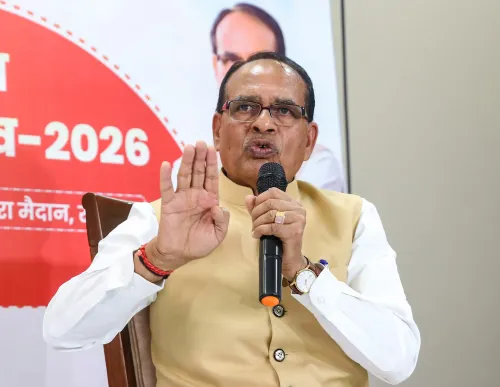
Leader of the Opposition in the Punjab Vidhan Sabha, Partap Singh Bajwa, on Monday, 21 September 2026, launched a sharp attack on both the Aam Aadmi Party (AAP)-led Punjab government and the Bharatiya Janata Party (BJP)-led Union government over their failure to clear wheat stocks that are occupying critical storage space across rice mills and mandi yards — with the paddy procurement season just days away.
With official procurement set to begin on 1 October and early paddy varieties already arriving in several mandis, Bajwa warned that the uncleared grain backlog could trigger severe congestion across Punjab's entire procurement infrastructure.
The Scale of the Backlog
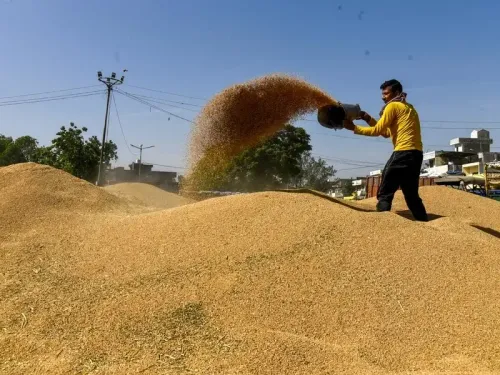
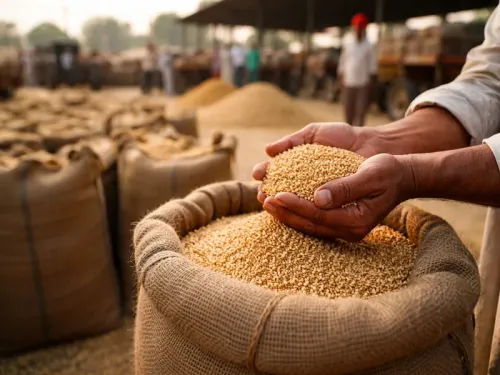
Citing recent field reports, Bajwa said nearly 12 lakh metric tons (MT) of wheat is still lying in rice mills across Punjab. An additional 1.83 lakh MT of Central Pool wheat remains stranded in mandi yards, awaiting movement to the Food Corporation of India (FCI).
'These figures expose the complete lack of preparedness of both the Punjab government and the Union government. Paddy procurement is just days away, yet vital storage space remains occupied by wheat stocks that should have been cleared and moved months ago,' Bajwa said.
Risk to Farmers and Grain Quality
Bajwa cautioned that the bottleneck could become especially severe once paddy arrivals gather momentum, as mills and mandis would simultaneously have to handle incoming crop while managing the uncleared wheat. 'If this bottleneck is not cleared immediately, farmers could be forced to wait for hours or even days to unload their paddy. Those who lack adequate storage at their farms will be especially vulnerable to distress sales. Prolonged delays can also create additional problems related to moisture and grain quality,' he said.
Notably, paddy is a moisture-sensitive crop and any prolonged exposure — whether in transit or in open mandi yards — can lead to significant quality degradation, directly cutting into farmer income.
A Foreseeable Failure, Says Bajwa
The Congress leader questioned why both governments had failed to act on a problem that was entirely predictable. 'This is not an unexpected crisis. Everyone knew that the paddy procurement season was approaching. The Punjab government and the Centre had months to plan the evacuation of wheat, arrange transportation and ensure adequate storage capacity. Yet, they failed to act until the crisis was staring them in the face,' he remarked.
Accusing the AAP government of prioritising publicity over administrative readiness, Bajwa said, 'Instead of ensuring that the foodgrain management system was ready for the next procurement season, the AAP government remained focused on publicity exercises and political theatrics. Now, Punjab's farmers are being left to bear the consequences of administrative failure.'
What Congress Is Demanding
Bajwa urged the Punjab government and the Centre to immediately coordinate the evacuation of wheat stocks from rice mills and mandi yards, accelerate their movement to designated storage facilities, and ensure sufficient procurement capacity is available before paddy arrivals intensify.
'Punjab's farmers should not be made to pay the price for the failure of two governments. The AAP government and the BJP-led Centre must stop passing the responsibility to each other and immediately clear the bottleneck. Farmers must have assured and hassle-free procurement when their crop reaches the mandis,' he added.
The AAP government and the Centre are yet to formally respond to Bajwa's allegations. With 1 October approaching, the coming days will be critical in determining whether the storage crunch is resolved before the main paddy flush arrives.
Point of View
Punjab's procurement infrastructure faces a real capacity crunch days before the paddy season opens. What makes this damaging for both AAP and the Centre is the timeline: this was entirely foreseeable. Wheat procurement ended months ago, and the obligation to move Central Pool stocks to FCI godowns is routine. The fact that it has not happened signals a breakdown in inter-governmental coordination that neither side can cleanly blame on the other. For Punjab's farmers — already squeezed by input costs — the prospect of waiting days at mandis or taking distress prices is not an abstraction. If storage gridlock does materialise on 1 October, the political fallout will land on both governments simultaneously.
NationPress
21 Sept 2026
Frequently Asked Questions
What is the wheat storage problem ahead of Punjab's paddy procurement 2026?
Nearly 12 lakh MT of wheat is still lying in rice mills across Punjab and an additional 1.83 lakh MT of Central Pool wheat is stranded in mandi yards awaiting movement to the FCI, according to Congress leader Partap Singh Bajwa. This leaves insufficient storage space for incoming paddy when the official procurement season opens on 1 October.
When does Punjab's paddy procurement season begin in 2026?
The official paddy procurement season in Punjab is scheduled to begin on 1 October 2026. Early paddy varieties have already started arriving in several mandis ahead of that date.
How could the wheat backlog affect Punjab's farmers?
If uncleared wheat occupies mill and mandi storage, incoming paddy will have nowhere to go, potentially forcing farmers to wait hours or days to unload their crop. Bajwa warned this could lead to distress sales and quality loss due to moisture exposure, particularly for farmers without on-farm storage.
Which governments did Partap Singh Bajwa hold responsible?
Bajwa blamed both the AAP-led Punjab state government and the BJP-led Union government, accusing them of failing to coordinate the timely evacuation of wheat stocks despite months of advance notice. He called on both to stop deflecting responsibility and act immediately.
What has Congress demanded to resolve the crisis?
Congress has demanded immediate inter-governmental coordination to evacuate wheat from rice mills and mandi yards, accelerate transportation to designated FCI storage locations, and ensure adequate space is available before paddy arrivals intensify in the first weeks of October.