IRGC vows to change war's 'geography' if Iran faces new invasion
Synopsis
Iran's IRGC has issued its starkest escalation warning yet — threatening to change the 'geography' of its conflict with the US and Israel, unveil undisclosed new weapons, and strike new targets. With two drones shot down over the Strait of Hormuz and the June MoU's negotiating deadline long expired, the region is edging closer to a dangerous new threshold.
Key Takeaways
IRGC spokesperson Hossein Mohebbi warned on 21 September 2026 that Iran will change the 'geography' of the war if subjected to another invasion.
Mohebbi claimed Iran possesses 'new weapons with new capabilities' and has 'new targets that have not been attacked yet.' The General Staff of Iran's Armed Forces vowed on Monday to give the US, Israel and their allies 'the bitter taste of more defeats.' The IRGC said it shot down a US MQ-1 Predator drone over the Strait of Hormuz on Monday; an Orbiter drone was also intercepted on Sunday.
A US-Iran MoU signed on 18 June mandated negotiations within 60 days ; that deadline expired on 17 August without a final deal.
Iran's Islamic Revolutionary Guard Corps (IRGC) spokesperson Hossein Mohebbi has warned that Tehran will fundamentally alter the 'geography' of its conflict with the United States and Israel if the country faces another military strike. The remarks, aired on Iran's Al-Alam news channel on Sunday night, 21 September 2026, represent one of Tehran's starkest escalatory signals in recent weeks.
Key Statements from the IRGC
'If another invasion is launched (against Iran), there will be significant changes in our defence and offence... We will definitely change the war's geography,' Mohebbi said in the interview. He added: 'We will certainly introduce new weapons with new capabilities into the fray, and the world will be astonished.' Mohebbi also claimed Iran has 'new targets that have not been attacked yet,' without specifying them. He further emphasised that the conflict has not concluded and that the IRGC has prepared for a prolonged engagement.
Armed Forces Double Down on Defiance
Separately, the General Staff of Iran's Armed Forces on Monday issued a statement vowing 'more defeats' for Washington, Tel Aviv, and their allies. 'Iran's armed forces will not back down in the face of the enemy and will give the aggressors and ill-wishers, especially the US and Israeli enemies and their allies, the bitter taste of more defeats,' the statement read. The back-to-back messaging from both the IRGC and the General Staff signals a deliberate and coordinated posture of deterrence.
Drone Shootdowns Over the Strait of Hormuz
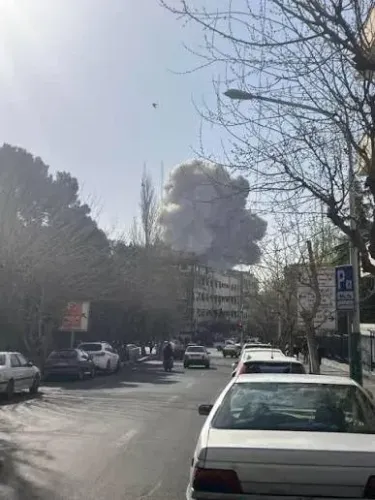
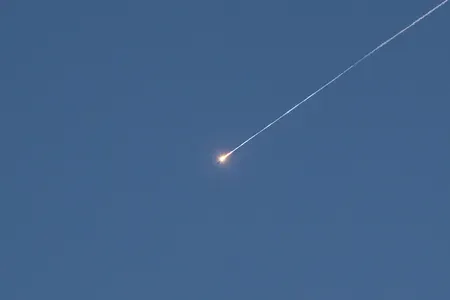
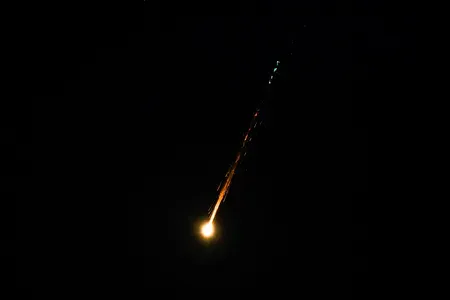
The rhetoric was accompanied by reported military action. The IRGC announced on Monday that its aerospace division's air-defence systems shot down a US MQ-1 Predator drone over the Strait of Hormuz. A day earlier, on Sunday, the Iranian Army said its air defence intercepted an Orbiter drone over the same strategically critical waterway, through which a significant share of global oil shipments transits. The two incidents underscore an active, not merely rhetorical, escalation along one of the world's most watched chokepoints.
The Collapsed MoU and Stalled Negotiations
The latest flare-up comes against the backdrop of a fragile diplomatic framework. On 18 June, the United States and Iran signed a memorandum of understanding (MoU) committing both sides to end hostilities across all fronts, including Lebanon. The agreement set a 60-day deadline for final negotiations — a window that expired on 17 August without a conclusive deal. The fate of the talks remains unclear, and the current escalation suggests the diplomatic track is under serious strain.
What Comes Next
Analysts note that Iran's references to undisclosed 'new weapons' and 'new targets' are characteristic deterrence language designed to raise the perceived cost of any further military action. However, the drone shootdowns over the Strait of Hormuz are concrete incidents with potential implications for energy markets and regional shipping. With the MoU-mandated negotiations having missed their deadline and both sides publicly hardening their positions, the path back to a ceasefire framework appears increasingly narrow. Global oil markets and regional partners will be closely tracking the next move from both Washington and Tehran.
Point of View
Designed to signal that any fresh strike on Iranian soil would expand the conflict's theatre, potentially drawing in the Strait of Hormuz, regional proxies, or assets beyond current frontlines. The near-simultaneous shootdowns of two drones over the strait give the rhetoric a hard operational edge. What mainstream coverage underweights is the significance of the expired MoU: a framework both sides signed and then allowed to lapse without resolution. That failure is arguably the structural cause of the current spiral, and neither Washington nor Tehran has publicly offered a mechanism to revive it. With energy markets watching the Strait of Hormuz and Gulf partners recalibrating their own positions, the next escalatory move — or the absence of diplomatic re-engagement — carries consequences well beyond the two primary belligerents.
NationPress
21 Sept 2026
Frequently Asked Questions
What did Iran's IRGC spokesperson threaten on 21 September 2026?
IRGC spokesperson Hossein Mohebbi warned that if Iran faces another military invasion, Tehran will change the 'geography' of the war, introduce new weapons with undisclosed capabilities, and strike targets not previously attacked. He also stressed that the IRGC has prepared for a long-term conflict.
What drones were shot down over the Strait of Hormuz?
The IRGC announced on Monday that its air-defence systems downed a US MQ-1 Predator drone over the Strait of Hormuz. A day earlier, the Iranian Army said it intercepted an Orbiter drone over the same waterway, a critical chokepoint for global oil shipping.
What was the US-Iran MoU signed in June 2026?
On 18 June, the United States and Iran signed a memorandum of understanding to end hostilities across all fronts, including Lebanon. Both sides were to hold final negotiations within 60 days, but that deadline expired on 17 August without a conclusive agreement.
Why does the Strait of Hormuz matter in this conflict?
The Strait of Hormuz is one of the world's most critical oil-shipping chokepoints, through which a significant share of global crude exports passes. Military incidents in this waterway directly affect global energy markets and can trigger rapid price movements.
What is the current status of US-Iran negotiations?
The fate of negotiations remains unclear. The 60-day window mandated under the June MoU expired on 17 August without a final deal, and recent escalations — including drone shootdowns and hardened public rhetoric from both the IRGC and the General Staff — suggest the diplomatic track is under serious strain.