Conrad Sangma Chairs MITS and MTPS Governing Body Meets
Synopsis
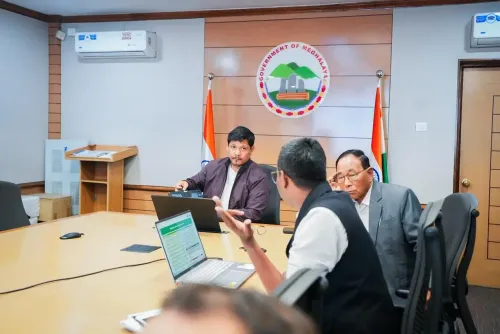
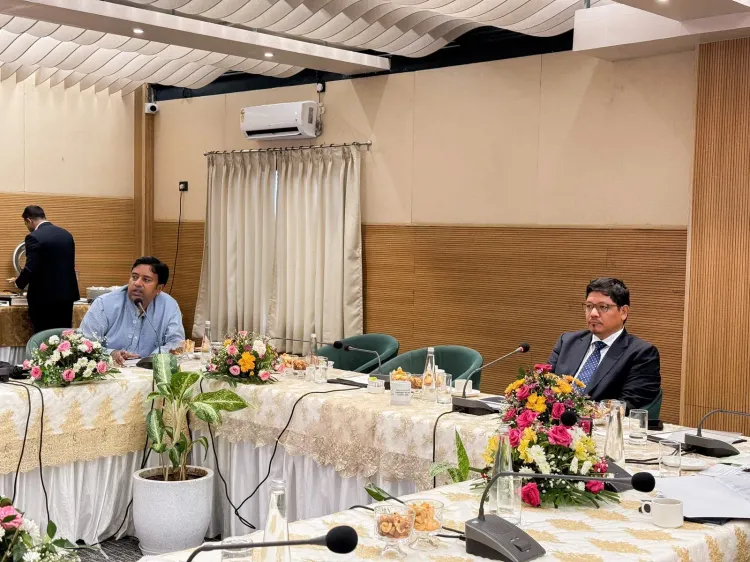
Meghalaya CM Conrad Sangma chaired Governing Body meetings of MITS and MTPS on 1 July 2026, addressing the State Data Centre rate card and reviewing progress of IT Parks in Shillong and Tura as the state shifts focus from building to monetising digital infrastructure.
Key Takeaways
Conrad Sangma personally chaired both the MITS and MTPS Governing Body meetings on 1 July 2026 .
The MITS session addressed the rate card for hosting services at the State Data Centre , a key step toward commercial operations.
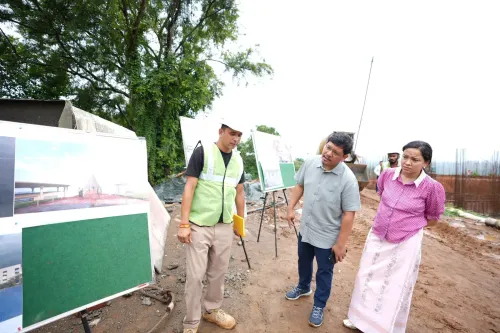
The MTPS session reviewed progress of IT Parks in Shillong (Phase II) and Tura in the Garo Hills region.
Potential clients for workspaces at Shillong Tech Park Phase II were discussed, signalling a shift from construction to occupancy.
The meetings reflect Meghalaya's broader alignment with the national Digital India programme to extend tech infrastructure to northeastern hill states.
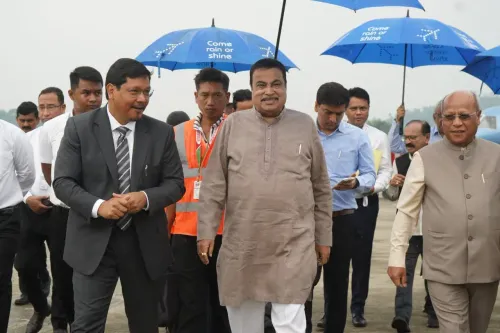
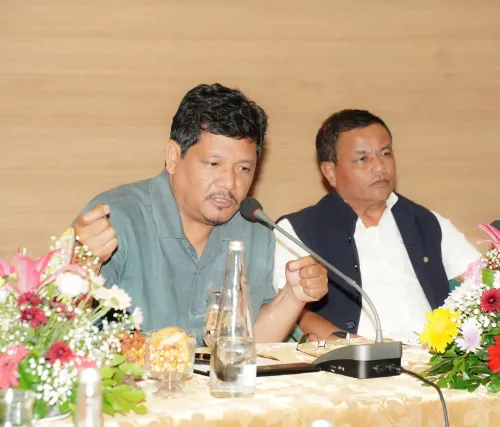
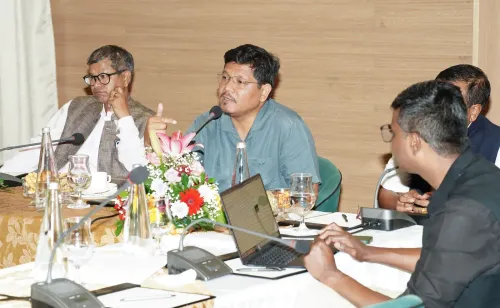
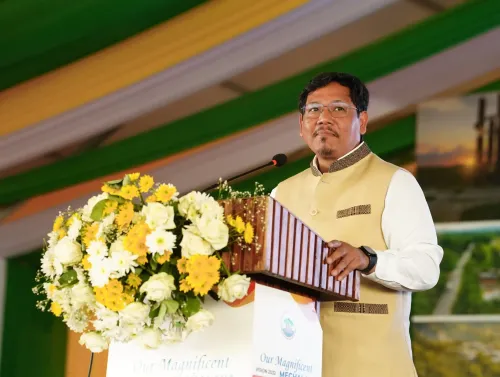
Meghalaya Chief Minister Conrad Sangma on Wednesday, 1 July 2026, chaired back-to-back Governing Body meetings of the Meghalaya Information Technology Society (MITS) and the Meghalaya Technology Parks Society (MTPS), signalling an active push to move the state's digital infrastructure from construction to monetisation.
Context
The MITS Governing Body session focused on the rate card for hosting services at the State Data Centre and other key operational matters. Rate-card discussions indicate that the facility is preparing to formally price its services for state departments and potential private users, a critical step before commercial operations can scale.
The MTPS Governing Body reviewed the progress of IT Parks in Shillong (Phase II) and Tura, and assessed potential clients to occupy workspaces at the Shillong Tech Park (Phase II). The dual-city focus underscores an effort to distribute technology employment across both the Khasi Hills and the Garo Hills region.
Policy Backdrop
Meghalaya's IT park and data-centre push is part of a longer arc that began in the mid-2010s, when northeastern states started building digital infrastructure to diversify economies historically reliant on agriculture, mining, and tourism. These projects align with the national Digital India programme, which has channelled central funds toward extending broadband, BPO opportunities, and cloud capacity to hill and border regions.
The State Data Centre is a central-government-supported facility designed to provide secure hosting and cloud services. Finalising its rate card is a necessary precondition for the centre to generate revenue and reduce dependence on budgetary grants. Similarly, the shift at MTPS from construction oversight to client acquisition marks a transition from capital expenditure to operational performance.
Stakeholders and Impact
Technology companies and startups are the primary intended beneficiaries of the Shillong Tech Park Phase II and Tura IT Park. Ready-to-use, affordable workspaces in a northeastern hill state offer a cost arbitrage proposition for firms looking to set up back-office or technology operations outside major metros.
For the state government, successful occupancy translates into direct employment, tax revenues, and a stronger case for further central investment in the region's digital economy. Local youth with technical skills stand to benefit most directly from any uptick in IT sector hiring.
What's Next
The immediate priority following these meetings will be client onboarding at Shillong Tech Park Phase II and the formal rollout of the State Data Centre hosting rate card. Progress on both fronts will determine whether Meghalaya's IT infrastructure moves from a policy aspiration to a self-sustaining revenue model.
Any integration with central data-centre capacity expansion schemes could accelerate the timeline. CM Sangma's personal chairing of both Governing Body sessions suggests the state leadership is treating technology infrastructure as a priority agenda item heading into the second half of 2026.
Frequently Asked Questions
What was discussed at the MITS Governing Body meeting chaired by Conrad Sangma?
The MITS Governing Body meeting, chaired by CM Conrad Sangma on 1 July 2026, discussed the rate card for hosting services at the Meghalaya State Data Centre and other key operational matters related to the society's functioning.
What is the Shillong Tech Park Phase II?
Shillong Tech Park Phase II is an expansion of IT infrastructure in Meghalaya's state capital, developed under the Meghalaya Technology Parks Society to offer ready-to-use workspaces for technology firms and startups.
What is the Tura IT Park?
The Tura IT Park is an IT facility developed in the Garo Hills region of Meghalaya to extend technology infrastructure and employment opportunities beyond Shillong to other parts of the state.
What is the State Data Centre in Meghalaya?
The State Data Centre is a central-government-supported facility in Meghalaya that provides secure hosting and cloud services for state departments and potentially private users, overseen by the Meghalaya Information Technology Society.
Why is Conrad Sangma focusing on IT parks and data centres?
As part of Meghalaya's effort to diversify its economy beyond agriculture, mining, and tourism, CM Conrad Sangma has prioritised digital infrastructure development aligned with the national Digital India programme to attract technology companies and generate employment.