Constitution must be defended daily, not just recalled: Rajeev Chandrasekhar
Synopsis
On the 50th anniversary of the 1975 Emergency, Kerala BJP chief Rajeev Chandrasekhar argued that the Constitution demands daily defence, not annual remembrance — alleging the Congress used Emergency powers to protect a political family, and warning that organisations hostile to the Constitution have now entered mainstream power.
Key Takeaways
Rajeev Chandrasekhar , Kerala BJP President, spoke at an Emergency anniversary event in Thiruvananthapuram on 26 June .
He alleged the 1975 Emergency was imposed by Congress to protect a political party and family, not national security.
He cited suppression of rights under Article 19 during Emergency and raised concerns about contemporary threats to Article 21 and property rights.
Chandrasekhar cautioned against interference with press freedom , calling a free media essential to democracy.
He alleged organisations that rejected the Constitution have entered mainstream politics , calling it a challenge to constitutional values.
He called for year-round vigilance , saying annual observance of the Emergency anniversary is not enough.
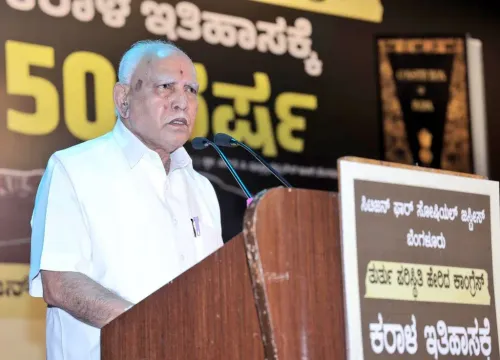
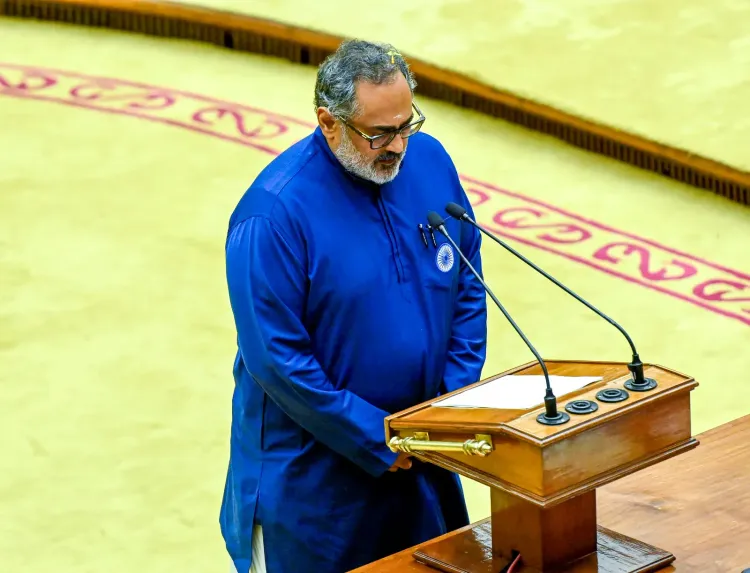
Kerala Bharatiya Janata Party (BJP) President Rajeev Chandrasekhar on Friday, 26 June invoked the 50th anniversary of the 1975 Emergency to argue that safeguarding the Constitution was a daily civic duty, not an annual ritual. Speaking at a function in Thiruvananthapuram organised to mark the Emergency anniversary, he said the responsibility of protecting India's constitutional framework rested with every citizen — not with political parties or governments alone.
Emergency as a Constitutional Warning
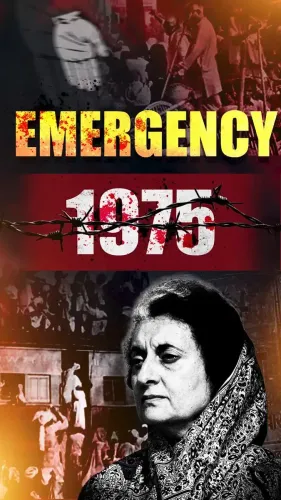
Chandrasekhar alleged that the Emergency imposed by the Indian National Congress (Congress) government nearly five decades ago represented one of the gravest assaults on India's democratic institutions. He claimed the measures enforced during that period were designed not to protect national security or advance national interests, but to shield a political party and a single political family — a charge the Congress has consistently contested.
'Those who fail to learn from history are destined to repeat it,' he said, asserting that the warning remained as relevant today as it was in 1975.
Fundamental Rights Under Scrutiny
The BJP state president alleged that the Congress government had deployed brute force during the Emergency to suppress fundamental rights, particularly the freedoms enshrined under Article 19 of the Constitution. He said the curtailment of civil liberties during that period underscored the need for citizens to remain permanently alert against any erosion of constitutional protections.
Drawing a parallel with contemporary issues, Chandrasekhar expressed concern over what he described as emerging challenges to the right to life guaranteed under Article 21 and questions surrounding property rights. Referring to the ongoing debate over the Waqf issue, he said constitutional protections relating to property must be upheld without compromise.
Media Freedom and Mainstream Politics
Chandrasekhar also cautioned against any attempts to interfere with press freedom, saying a free media remained indispensable to a functioning democracy. He further alleged that organisations which had openly questioned or rejected the Indian Constitution had today entered mainstream politics and positions of power — a trend he described as a direct challenge to the country's foundational values.
Call for Year-Round Vigilance
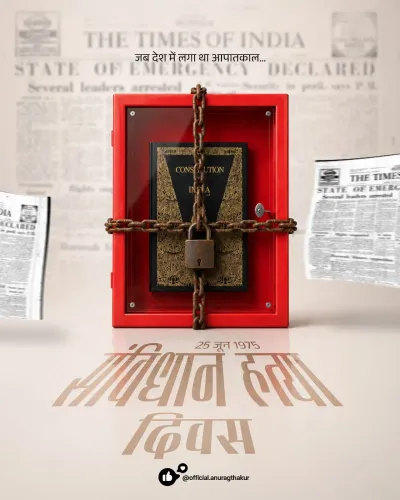
Calling upon citizens to treat constitutional values as a shared national responsibility, Chandrasekhar said observing the Emergency anniversary once a year was insufficient. The Constitution, democracy, and the nation's foundational principles, he argued, could be protected only through sustained vigilance and commitment — every single day. The event comes as the BJP nationally marks 26 June as Samvidhaan Hatya Diwas (Constitution Murder Day), a designation the Centre formalised last year to institutionalise remembrance of the Emergency period.
Point of View
However, is the selective framing: invoking Article 19 and Article 21 as Emergency-era casualties while the same rights face contemporary challenges that critics argue the current dispensation has not always been eager to address. The allegation that Constitution-rejecting organisations have entered mainstream power is pointed but unattributed — and cuts in more than one direction if examined without partisan filters. The Emergency anniversary has become less a moment of bipartisan constitutional reflection and more a partisan flashpoint, which ultimately diminishes its potential as a genuine civic reckoning.
NationPress
26 Jun 2026
Frequently Asked Questions
Why did Rajeev Chandrasekhar invoke the 1975 Emergency on 26 June 2025?
Rajeev Chandrasekhar spoke at a function in Thiruvananthapuram marking the anniversary of the 1975 Emergency, using the occasion to call for daily constitutional vigilance. He alleged the Emergency was imposed by the Congress government to protect a political party and family rather than national interests.
What did Chandrasekhar say about fundamental rights during the Emergency?
He alleged that the Congress government used brute force during the Emergency to suppress fundamental rights, particularly freedoms under Article 19 of the Constitution. He said this history underscored the need for citizens to remain permanently alert against any erosion of constitutional protections.
What contemporary issues did Chandrasekhar link to constitutional concerns?
He expressed concern about emerging challenges to the right to life under Article 21 and property rights, referencing the ongoing Waqf debate. He also cautioned against any interference with press freedom, calling a free media indispensable to democracy.
What did Chandrasekhar mean by organisations rejecting the Constitution entering mainstream politics?
Chandrasekhar alleged, without naming specific organisations, that groups which had openly questioned or rejected the Indian Constitution have today entered mainstream politics and positions of power. He described this as a challenge to the country's constitutional values.
What is Samvidhaan Hatya Diwas and how does it relate to this event?
Samvidhaan Hatya Diwas, or Constitution Murder Day, is a designation the Centre formalised to mark 26 June as a day of remembrance for the 1975 Emergency. The BJP has been observing this date nationally, and Chandrasekhar's Thiruvananthapuram event was part of that broader observance.