CR Paatil Meets Punjab Industrialists in Mohali
Synopsis
Union Jal Shakti Minister C. R. Paatil met Punjab's top industrialists and entrepreneurs in Mohali on November 17, 2026, discussing investment, jobs, and the role of industry in advancing PM Modi's Make in India, Atmanirbhar Bharat, and Viksit Bharat @2047 goals.
Key Takeaways
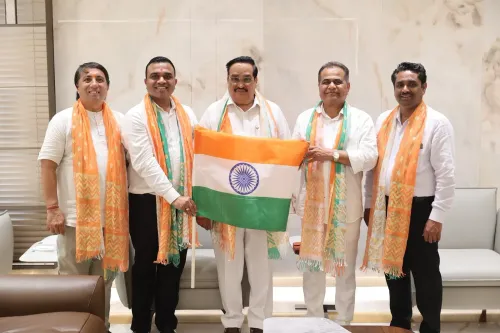
Paatil , Union Jal Shakti Minister and senior BJP leader, held an industry outreach meeting in Mohali, Punjab on November 17, 2026 .
Discussions covered industrial development, investment opportunities, employment generation, and trade and industry issues specific to Punjab .
Paatil linked the meeting to three central government frameworks: Make in India (2014), Atmanirbhar Bharat (2020), and Viksit Bharat @2047 .
The minister highlighted Punjab's entrepreneurial culture, industrial capacity, and youth as the state's core growth drivers.
The outreach is consistent with the BJP government's cooperative federalism approach of deploying central ministers to align state industry with national economic targets.
Follow-up investment proposals or MoUs from the Mohali interaction will indicate the meeting's concrete outcomes.
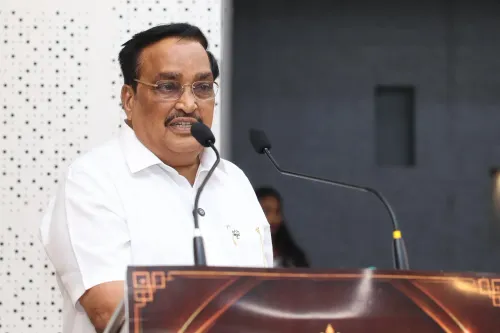
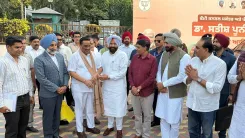
Union Jal Shakti Minister C. R. Paatil sat down with Punjab's leading industrialists and entrepreneurs in Mohali on Tuesday, November 17, 2026 — a wide-ranging conversation that put industrial growth, investment opportunities, and job creation squarely on the table.
Posting on X, Paatil said the dialogue covered 'industrial development in Punjab, investment possibilities, employment generation, and various subjects related to trade and the business world.' He framed the gathering around Prime Minister Narendra Modi's flagship economic vision — 'Make in India', 'Atmanirbhar Bharat', and 'Viksit Bharat @2047' — arguing that industry's role in realising these goals is 'extremely important.'
Three national frameworks, one room in Mohali
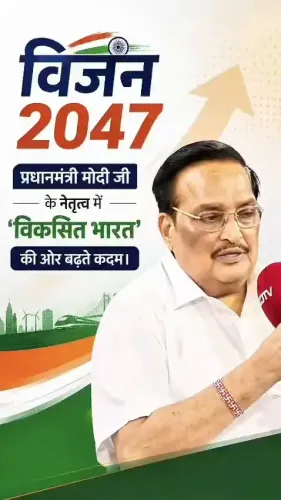
Make in India, launched in September 2014, was designed to position India as a global manufacturing hub. Atmanirbhar Bharat, announced in May 2020, followed with production-linked incentives built around five pillars: economy, infrastructure, systems, demography, and demand. Viksit Bharat @2047 — the most ambitious of the three — targets developed-nation status by the centenary of Independence. Paatil's Mohali meeting is a ground-level attempt to wire Punjab's industrial base into all three.
The minister specifically highlighted Punjab's 'entrepreneurial spirit, industrial capacity, and youth power' as the 'strong foundation of the state's progress.' That is not an idle compliment — Punjab carries a historic identity as an engineering and textiles powerhouse, anchored by clusters in Ludhiana and an expanding IT and manufacturing corridor in Mohali. The challenge has been converting legacy strength into fresh large-scale investment in a competitive landscape.
Central outreach, cooperative federalism in action
Central ministers holding state-level industry dialogues has become a consistent feature of the BJP-led government's economic playbook since 2014 — part of what the administration calls cooperative federalism. The logic is straightforward: national targets on manufacturing output and employment cannot be met from Delhi alone. Each state's industrial ecosystem needs to be pulled into alignment with central schemes, and that requires face-time between Union ministers and local business communities.
Paatil closed his post on a collective note, asserting that 'with the cooperation of the business world and collective efforts, the resolve to build a prosperous Punjab and a developed India will grow stronger.' Whether that resolve translates into concrete investment commitments or MoUs will be the real measure of Tuesday's conversation.
The minister's portfolio sits in Jal Shakti — water resources and sanitation — yet industry outreach of this kind reflects how senior BJP leaders function as broad-based political ambassadors for the government's economic agenda, well beyond their departmental brief. Watch for any follow-on announcements tied to Punjab's industrial policy or the next central budget cycle.
Point of View
Atmanirbhar Bharat, Viksit Bharat @2047 — at the state level, particularly in opposition-governed or politically competitive states. That a Jal Shakti minister, rather than the Commerce or Industry portfolio, is leading this conversation underscores how senior BJP leaders operate as generalised political ambassadors for the government's economic brand. Punjab, historically strong in engineering and textiles yet sluggish in attracting fresh large-scale capital, is a meaningful test case for whether central outreach converts into on-ground investment. The real verdict on meetings like this arrives in budget allocations and MoU follow-throughs — not in social media posts.
NationPress
17 Nov 2026
Frequently Asked Questions
Why did Union Jal Shakti Minister CR Paatil visit Mohali?
CR Paatil visited Mohali on November 17, 2026, to meet Punjab's leading industrialists and entrepreneurs and discuss industrial development, investment, and employment generation in the state under PM Modi's national economic vision.
What is Viksit Bharat @2047?
Viksit Bharat @2047 is Prime Minister Narendra Modi's vision to make India a fully developed nation by 2047, the centenary of Independence, focusing on economic growth, infrastructure, and social progress.
What is the difference between Make in India and Atmanirbhar Bharat?
Make in India, launched in September 2014, aims to position India as a global manufacturing hub. Atmanirbhar Bharat, announced in May 2020, is a broader self-reliance package encompassing production-linked incentives across five pillars: economy, infrastructure, systems, demography, and demand.
What industries are based in Mohali, Punjab?
Mohali hosts a growing IT park and manufacturing corridor, complementing Punjab's traditional industrial strengths in engineering and textiles centred largely in Ludhiana.
Is CR Paatil the minister for industry or commerce?
No, C. R. Paatil is the Union Minister of Jal Shakti, overseeing water resources and sanitation. His industry outreach in Punjab reflects the BJP's broader practice of deploying senior leaders as economic ambassadors beyond their departmental portfolios.