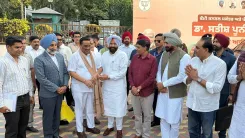
Jal Shakti Minister Paatil urges influencers to champion water conservation

Synopsis
Union Jal Shakti Minister C. R. Paatil spoke at Chandigarh University's Influencia 3.0 event, calling on India's young digital creators to champion water conservation as a citizen duty tied to PM Modi's Viksit Bharat @2047 vision.
Key Takeaways
Union Jal Shakti Minister C.
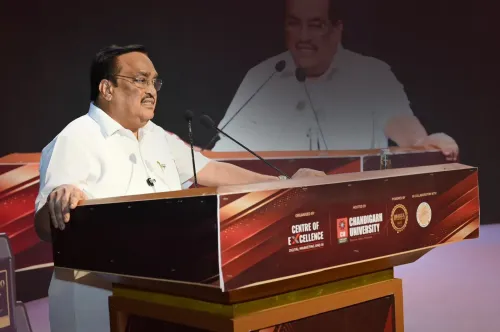
Paatil addressed young influencers and content creators at Influencia 3.0 , Chandigarh University , on November 17, 2026 .
He called on digital creators to use their platforms for water conservation, framing it as a social responsibility.
Paatil linked water conservation directly to PM Narendra Modi's Viksit Bharat @2047 national development vision.
The Jal Shakti Abhiyan (launched 2019 ) and Catch the Rain campaign ( 2021 ) form the policy backbone behind this outreach push.
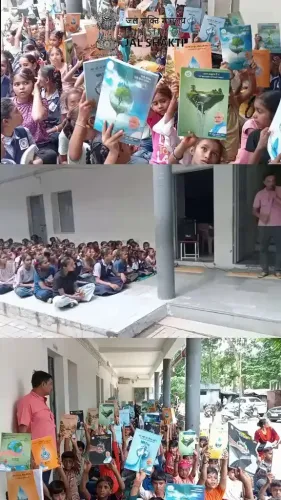
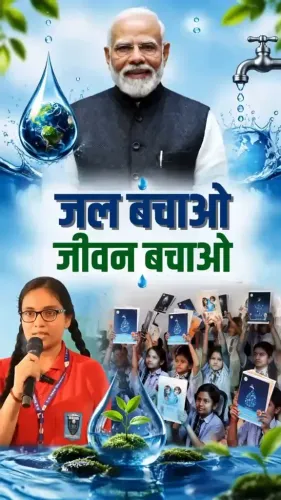
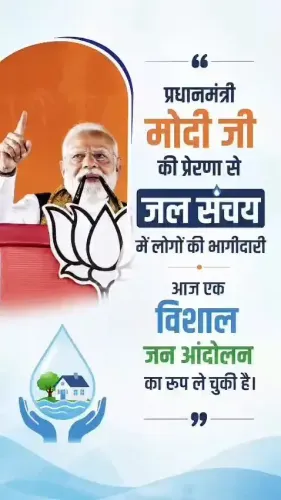
The Ministry is positioning influencer engagement as a force-multiplier for its Jal Sanchay Jan Bhagidari (community water storage participation) campaign.
Saving water was described as a responsibility toward future generations, not merely a policy requirement.
Water conservation found an unlikely new frontline on Tuesday, November 17, 2026 — the influencer stage. Union Jal Shakti Minister C. R. Paatil addressed young digital creators and content influencers at 'Influencia 3.0', hosted by Chandigarh University, calling on them to channel their social reach toward one of India's most pressing resource challenges: saving water.
Speaking at the event, Paatil shared his thoughts on what he described as the immense capacity of today's influencers to drive positive change in public behaviour. 'Today, influencers have an enormous capacity to bring positive change in society's thinking and behaviour,' he said. 'This power must be used in the national interest — that should be our collective effort.'
Water conservation as citizen duty, not just policy
Paatil framed water conservation not as a government mandate but as a generational obligation. 'Saving water is not merely a necessity — it is also our responsibility towards future generations,' he said, linking the message directly to Prime Minister Narendra Modi's Viksit Bharat @2047 vision. His argument: individual actions, amplified through digital voices, are the missing link between national development goals and ground-level behaviour change.
The Ministry of Jal Shakti has pursued this logic through two flagship campaigns — the Jal Shakti Abhiyan, launched in 2019, which mobilised water conservation drives across water-stressed districts, and the Catch the Rain campaign from 2021, focused on rainwater harvesting and public participation in water storage. Paatil's Chandigarh address signals a deliberate push to bring India's creator economy into that existing architecture.
Why influencers, and why now
The logic is straightforward: government campaigns reach people through official channels; influencers reach them through trust. Paatil's pitch to the Chandigarh audience was essentially a recruitment drive — asking creators not just to post awareness content, but to internalise Jal Sanchay Jan Bhagidari (community participation in water storage) as a social responsibility worth their platform.
The Central government has steadily expanded its use of digital creators to amplify environmental and civic messaging, treating influencer partnerships as a force-multiplier for schemes that require behavioural shifts — not just policy compliance. Water conservation, with its deeply local and habitual dimensions, is exactly the kind of issue where peer-to-peer digital communication can outperform top-down advisories.
The Viksit Bharat thread
By anchoring the water message to the Viksit Bharat @2047 framework, Paatil placed a conservation ask inside a broader national narrative. The move is deliberate: tying everyday choices — a tap left running, a harvesting pit left unbuilt — to India's 2047 development ambitions makes water conservation feel consequential rather than bureaucratic. For a room full of young content creators, that framing matters.
The next indicator to watch is whether the Jal Shakti Ministry formalises influencer partnerships into its upcoming Jal Sanchay Jan Bhagidari campaign cycle — turning Tuesday's appeal into a structured programme. If it does, Chandigarh University may well be remembered as where India's water movement found its digital voice.
Point of View
The creator economy — to drive behavioural change that formal policy cannot easily mandate. By anchoring conservation to the Viksit Bharat @2047 framework, the Ministry positions water-saving as a patriotic act rather than a civic obligation, which is a meaningfully different ask. The move also signals that the Jal Shakti Ministry may be preparing a more structured influencer-partnership layer for its next campaign cycle, extending the reach of Jal Shakti Abhiyan beyond government channels. Whether digital creators translate an auditorium pitch into sustained, credible content — rather than a one-off brand moment — will determine how much real behavioural traction the initiative generates.
NationPress
17 Nov 2026
Frequently Asked Questions
What did C. R. Paatil say at Influencia 3.0 Chandigarh University?
Union Jal Shakti Minister C. R. Paatil urged young influencers and content creators to use their digital platforms to promote water conservation, calling it a responsibility toward future generations and linking it to PM Modi's Viksit Bharat @2047 vision.
What is Jal Sanchay Jan Bhagidari?
Jal Sanchay Jan Bhagidari is a Jal Shakti Ministry initiative that emphasises community participation in water storage and conservation, encouraging citizens to take active roles in local water management efforts.
What is the Jal Shakti Abhiyan?
The Jal Shakti Abhiyan is a Central government campaign launched in 2019 to promote water conservation and water body rejuvenation across water-stressed districts in India through community mobilisation.
How is water conservation linked to Viksit Bharat 2047?
The Modi government frames water conservation as an individual citizen duty essential to achieving the Viksit Bharat @2047 development goals, positioning everyday conservation actions as direct contributions to India's long-term national progress.
What is the Catch the Rain campaign?
Catch the Rain is a Jal Shakti Ministry campaign launched in 2021 that focuses on rainwater harvesting and encouraging public participation in water storage before and during the monsoon season.