Maharashtra drought 2026 worse than 1972: Rabi sowing at historic low of 14.74 lakh hectares
Synopsis
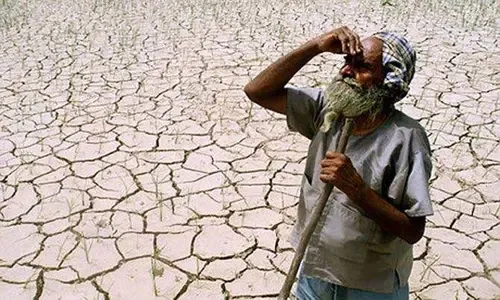
Maharashtra's 2026-27 Rabi sowing has fallen to just 14.74 lakh hectares — less than a third of what was sown even during the infamous 1972 drought. Driven by a 'Super El Niño' that left most districts rain-deficient and concentrated rainfall into a single 15-day July window, this is shaping up as the worst agricultural season in the state's recorded history, with 310 talukas officially drought-hit and livestock fodder emerging as a crisis as acute as food supply.
Key Takeaways
Maharashtra's Rabi sowing in 2026-27 stands at just 14.74 lakh hectares , against 47.29 lakh hectares during the 1972-73 drought season.
The previous all-time low was 40 lakh hectares in 1991-92 ; experts say totals are unlikely to cross 20-25 lakh hectares by end of December 2026 .
A 'Super El Niño' caused a 19% rainfall deficit statewide, with Solapur recording a 59% deficit .
The state has declared 310 talukas drought-affected for Kharif 2026 , including 6 newly added on 19 November 2026 .
Relief measures include land revenue exemptions, crop loan restructuring, and power bill waivers for agricultural pumps up to 7.5 HP .
The Kartiki Yatra in Pandharpur drew only 3 lakh devotees against an expected 12-15 lakh , reflecting the drought's wider social disruption.
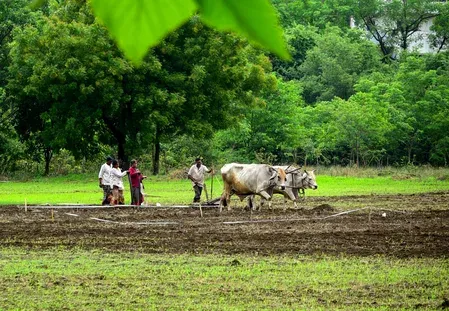
Maharashtra is enduring what officials and agricultural experts are calling its most severe drought in recorded history, with Rabi sowing in the 2026-27 season collapsing to just 14.74 lakh hectares — a fraction of the 47.29 lakh hectares sown even during the catastrophic 1972-73 drought. According to the state Agriculture Department, this could become the lowest Rabi sowing season on record in Maharashtra since the department began maintaining data in 1960.
Scale of the Crisis
The state's average Rabi sowing area stands between 55 and 60 lakh hectares. The previous all-time low was recorded in 1991-92 at 40 lakh hectares. This year's figure of 14.74 lakh hectares is not merely a new low — it is a collapse. Experts see virtually no possibility of the total crossing the 20 to 25 lakh hectare mark by end of December 2026.
Crop-wise, the numbers are stark. Food grain sowing stands at just 7,79,812 hectares against 36,64,000 hectares in 1972-73. Pulses cover 6,78,385 hectares compared with 4,31,000 hectares then — the one category showing a relative improvement — while oilseeds have crashed to a paltry 16,106 hectares against 6,34,000 hectares in the same historical period, according to the Agriculture Department's own records.
The Trigger: Super El Niño and Rainfall Deficit
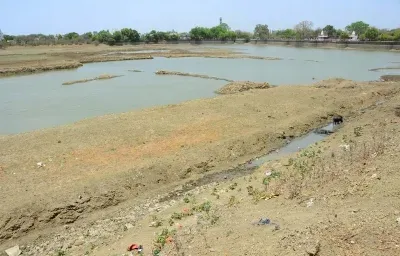
The India Meteorological Department (IMD) and global weather organisations have classified the current Pacific Ocean event as a powerful 'Super El Niño', which directly disrupted the monsoon over Maharashtra. The state recorded a 19 per cent rainfall deficit against the long-period average, with Solapur bearing the worst impact at 59 per cent below normal. Almost every district received deficient rainfall, and what little rain did fall was concentrated within a narrow 15-day window in July.
The failed Kharif season has cascaded into the Rabi season, with acute drinking water shortages in rural areas further slowing sowing activity. This is the compounding nature of the current crisis — a failed summer crop followed by a near-absent winter crop, with livestock fodder emerging as a parallel emergency.
What the Government Said
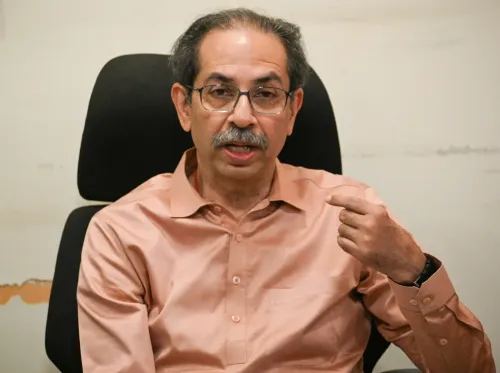
State Agriculture Minister Dattatray Bharane acknowledged the gravity of the situation. 'Farmers in the state are genuinely facing a severe drought situation,' he said, adding that while food grain supply to people remains manageable, 'supplying fodder and water for livestock is a massive challenge.' The Agriculture Department has appealed to farmers to cultivate fodder crops using whatever irrigation water is available. Minister Bharane said the government is 'planning meticulously to tackle the impending crisis.'
On 19 November 2026, Relief and Rehabilitation Minister Makarand Jadhav-Patil announced that six additional talukas had been included in the drought-affected list, raising the total for the Kharif 2026 season to 310 talukas. The newly added talukas are Dindori (Nashik district), Wada and Vikramgad (Palghar district), Chiplun (Ratnagiri district), and Hatkanangale and Gadhinglaj (Kolhapur district). A Government Resolution (GR) formalising the additions has been issued.
Chief Minister Devendra Fadnavis had earlier directed the administration, during a Cabinet meeting, to conduct a 20 per cent sample survey of five major crops and carry out field verification in line with Central government norms before adding the six talukas, Minister Jadhav-Patil said.
Relief Measures in Effect
With the expanded drought notification in force, a package of relief measures has come into effect across all 310 talukas. These include exemptions in land revenue, restructuring of crop loans, and a stay on recovery of agriculture-related loans. Agricultural pumps up to 7.5 horsepower (HP) already benefit from a full power bill waiver; pumps exceeding 7.5 HP in the affected talukas will receive concessions on current electricity bills. Power connections to agricultural pumps in scarcity-declared villages will not be disconnected.
Drought's Ripple Effects on Rural Life
The crisis has visibly disrupted rural life beyond the fields. The Kartiki Yatra, a major pilgrimage of the Warkari sect and a significant cultural and economic event for Pandharpur, drew only a little over 3 lakh devotees — against an anticipated 12 to 15 lakh. The local administration had made extensive arrangements for the higher footfall. The official Mahapuja was performed on Saturday by Deputy Chief Minister Eknath Shinde. The subdued pilgrimage turnout signals how deeply the drought has curtailed mobility and livelihoods in the affected regions.
With relief measures now covering 310 talukas and experts forecasting sowing totals that may not even reach half the 1972-73 level, Maharashtra faces a prolonged agrarian emergency that will test both state capacity and Central coordination in the months ahead.
Point of View
And the comparison with 1972 actually understates the crisis because Maharashtra's farming population and livestock dependency have grown enormously since then. What is missing from the government's response so far is a credible, time-bound fodder and water supply plan for livestock: Minister Bharane's admission that this is 'a massive challenge' is honest, but honesty without a delivery framework risks becoming a post-mortem statement. The expansion of drought-hit talukas to 310 — after a Cabinet-ordered survey — also raises the question of why the original 304-taluka list was drawn before field verification was complete. With Rabi sowing potentially ending at less than 25% of normal, the downstream pressure on food inflation, rural employment, and MGNREGS demand in Maharashtra will be felt well into 2027.
NationPress
21 Nov 2026
Frequently Asked Questions
How does Maharashtra's 2026-27 drought compare to the 1972 drought?
Maharashtra's 2026-27 Rabi sowing has fallen to just 14.74 lakh hectares, compared with 47.29 lakh hectares sown during the 1972-73 drought — making the current season potentially the worst on record since the Agriculture Department began keeping data in 1960. The previous lowest Rabi sowing was 40 lakh hectares in 1991-92.
What caused the Maharashtra drought in 2026?
A powerful 'Super El Niño' in the Pacific Ocean disrupted the monsoon, causing a 19 per cent rainfall deficit across Maharashtra compared to the long-period average. Solapur recorded the sharpest deficit at 59 per cent below normal, and most of the state's rainfall was concentrated in a narrow 15-day window in July, causing the Kharif crop to fail.
How many talukas have been declared drought-affected in Maharashtra?
A total of 310 talukas have been declared drought-affected for the Kharif 2026 season. The state had initially declared 304 talukas, and six more — including Dindori, Wada, Vikramgad, Chiplun, Hatkanangale, and Gadhinglaj — were added on 19 November 2026 following field verification ordered by Chief Minister Devendra Fadnavis.
What relief measures has the Maharashtra government announced for drought-hit farmers?
The government has announced exemptions in land revenue, restructuring of crop loans, and a stay on recovery of agriculture-related loans. Agricultural pumps up to 7.5 HP receive a full power bill waiver, while pumps above 7.5 HP in affected talukas get concessions on current electricity bills. Power connections to agricultural pumps in scarcity-declared villages will not be disconnected.
Will Maharashtra's Rabi sowing recover by the end of December 2026?
Experts say there is virtually no possibility of Rabi sowing crossing the 20 to 25 lakh hectare mark by end of December 2026. The state's average Rabi sowing area is 55 to 60 lakh hectares, and acute drinking water shortages in rural areas continue to slow activity.