Maharashtra dam storage crashes to 64% from 90% a year ago, drought hits 304 talukas
Synopsis
Maharashtra has entered the rabi season with one-third of its live dam storage empty — a dramatic fall from 90% to 64% in a single year. With Marathwada's reservoirs at a critical 36% and six districts recording single-digit storage in minor dams, the state faces a compounding water crisis that threatens both drinking water access and the winter crop cycle.
Key Takeaways
Maharashtra's live dam storage stands at 923.60 TMC (64%) as of 17 November 2026 , down sharply from 1,309.93 TMC (90%) a year earlier.
Marathwada's Chhatrapati Sambhajinagar division is at a critical 36% , with Beed, Dharashiv, Jalna, Latur, Parbhani and Solapur showing single-digit storage in small and medium dams.
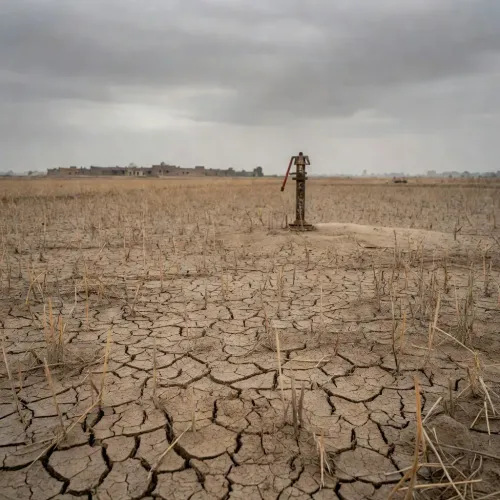
The state has declared drought in 304 talukas following deficit rainfall this season.
Mumbai–Thane municipal water supply is at 84% , down from 95% ; Modak Sagar dam has fallen 35 percentage points to just 46% .
District Collectors have been empowered to sanction drought-relief works up to ₹25 lakh per project under the MLA LAD programme.
Administrative sanctions for water and soil conservation works have been extended to 30 November 2026 under the District Annual Plan.
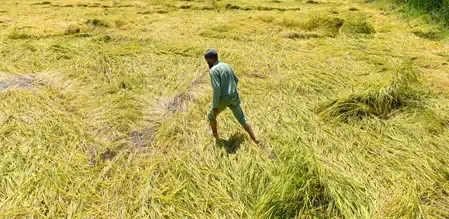
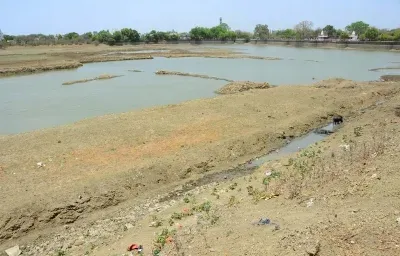
Maharashtra's live water storage across its dams has plummeted to 923.60 TMC — just 64 per cent of total capacity — as of 17 November 2026, a sharp decline from 1,309.93 TMC (90 per cent) recorded during the same period last year, according to a presentation by the state's Water Resources Department before the Cabinet. The development has raised serious concerns over water availability heading into the rabi agricultural season and the summer months, even as the Maharashtra government has declared drought across 304 talukas.
Marathwada Bears the Worst of the Crisis
The Chhatrapati Sambhajinagar division, which covers the drought-prone Marathwada region, has seen the steepest drop — from 90 per cent storage a year ago to just 36 per cent today. Districts including Beed, Dharashiv, Jalna, Latur, Parbhani and Solapur are recording single-digit storage levels in small and medium dams, putting immense pressure on local drinking water supplies and rabi irrigation. Minor projects, which are the primary water lifeline for villages, are collectively at 38 per cent capacity. The Amravati and Nagpur divisions are also significantly below last year's levels, at 52 per cent and 56 per cent respectively.
Urban Water Supply: Lower but Relatively Stable
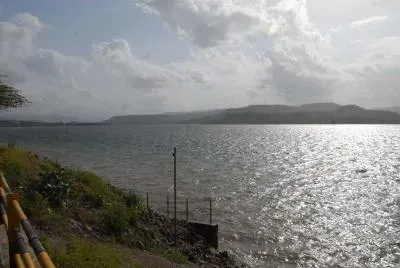
The Konkan (81 per cent), Pune (75 per cent), and Nashik (74 per cent) divisions remain comparatively better positioned, though all six divisions are below last year's levels. For the Mumbai and Thane Municipal Corporations, combined supply stands at 84 per cent, down from 95 per cent last year. Modak Sagar dam is the most critical point within this system, sitting at just 46 per cent — a fall of 35 percentage points year-on-year — while Upper Vaitarna remains the strongest at 94 per cent.
Scale of the Deficit: One-Third of Storage Gone
The Water Resources Department's presentation underscores that Maharashtra enters its lean season with more than one-third of live storage capacity empty, compared to only 10 per cent empty at the same point last year. This is not a uniform shortfall — it is concentrated in Marathwada and the Vidarbha sub-divisions, where the gap between current availability and agricultural and drinking water demand is widening. The department clarified that live storage refers to usable water above the outlet level and excludes dead storage, making the 36 per cent figure in Marathwada a genuine operational floor.
Government Response: Drought Measures and Fast-Tracked Projects
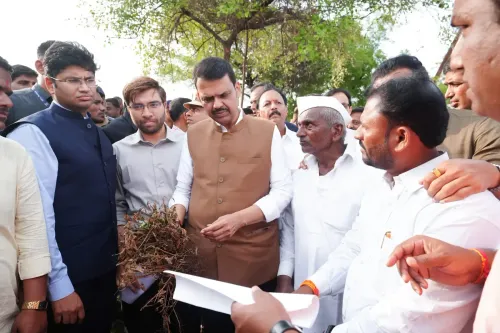
In response to the deficit rainfall that triggered the crisis, the state has decentralised administrative powers to expedite relief. Administrative deadlines for works under the District Annual Plan (General) for 2026–27 have been extended, with administrative sanctions permitted up to 30 November 2026. Chief Secretary directives have empowered local secretaries and District Collectors to fast-track technical sanctions. Under the MLA Local Area Development (LAD) programme, District Collectors can independently sanction drought and water scarcity works up to ₹25 lakh per project in both rural and urban areas. Members of Parliament have also been requested to channel priority works through the MP LAD programme.
Conservation Works Under Way Across 304 Talukas
In the 304 talukas facing Trigger-1 and Trigger-2 drought conditions, soil and water conservation works are being actively executed. These include deepening and widening streams, building farm ponds, constructing recharge shafts, installing check dam gates, and creating rainwater harvesting structures — all implemented through NGOs and via the VB G RAM G scheme. Fodder availability for livestock has also been prioritised, and district- and taluka-level coordination committees have been set up to manage the unfolding situation. The coming weeks will be critical as the gap between supply and seasonal demand continues to widen across the state's most vulnerable regions.
Point of View
But they do not address the deeper failure: Maharashtra's inter-basin water transfer projects and groundwater recharge programmes have consistently underdelivered against targets. With the rabi season already under way, the real test is whether district-level coordination committees can prevent a drinking water emergency in the six single-digit-storage districts before the next monsoon — a gap of eight months.
NationPress
18 Nov 2026
Frequently Asked Questions
How much has Maharashtra's dam water storage fallen this year?
Maharashtra's live dam storage stood at 923.60 TMC, or 64% of capacity, as of 17 November 2026, compared to 1,309.93 TMC (90%) at the same point last year — a decline of roughly 386 TMC in a single year. The shortfall is raising serious concerns about water availability through the rabi season and summer months.
Which region of Maharashtra is most severely affected by the water shortage?
Marathwada, covered by the Chhatrapati Sambhajinagar division, is the worst-hit region, with live storage at just 36% — down from 90% a year ago. Districts including Beed, Dharashiv, Jalna, Latur, Parbhani and Solapur are recording single-digit storage in small and medium dams.
How many talukas has Maharashtra declared drought in?
The Maharashtra government has declared drought in 304 talukas following deficit rainfall this season. These talukas are classified under Trigger-1 and Trigger-2 drought conditions, triggering a range of administrative and relief measures.
Is Mumbai's water supply at risk due to the drought?
Mumbai and Thane's combined municipal water supply is currently at 84%, down from 95% last year, so the immediate risk is lower than in rural Maharashtra. However, Modak Sagar dam — a key source — has dropped to just 46%, a fall of 35 percentage points, and officials are monitoring the situation closely.
What steps is the Maharashtra government taking to address the water crisis?
The government has decentralised administrative powers to District Collectors, allowing them to sanction drought and water scarcity works up to ₹25 lakh per project under the MLA LAD programme. Administrative deadlines for water and soil conservation projects under the District Annual Plan 2026–27 have been extended to 30 November 2026, and soil conservation works including farm ponds, check dam gates and rainwater harvesting structures are being executed across the 304 affected talukas.