Delhi Police bust scholarship fraud targeting Tamil Nadu residents; 54,000 contacts recovered
Synopsis
A scholarship scam that specifically hunted Tamil-speaking families by name — using an Excel database of 54,000 contacts shared over WhatsApp — has been cracked by Delhi's East District Cyber Police. Two mule-account facilitators are in custody, but the woman allegedly behind the operation and her network remain at large.
Key Takeaways
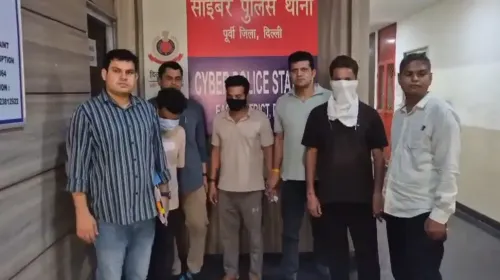
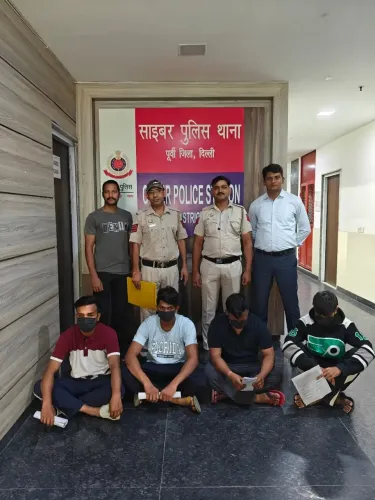
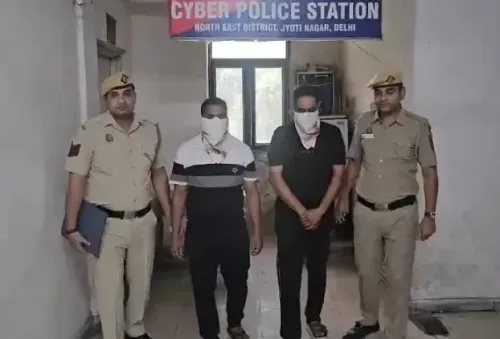
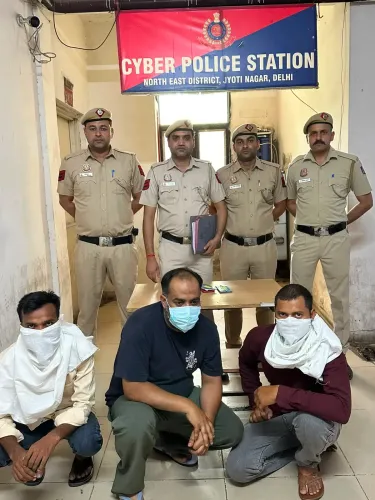
Delhi Police arrested Sachin Sharma, 29 , on 17 October and Sumit on 21 October for facilitating a scholarship fraud through mule bank accounts.
Victim Muthu Kumar of Tamil Nadu was defrauded of approximately ₹17,989 on 1 September after being lured with a fake higher-education scholarship offer.
A Samsung S26 mobile phone recovered from Sumit contained Excel files with data of approximately 54,000 contacts , shared via WhatsApp on 6 August .
The fraud allegedly targeted Tamil-speaking families whose children had completed school and were seeking higher education.
A woman who allegedly supplied the contact database and directed fund collection remains unidentified; her role is under active investigation.
An FIR has been registered under Sections 112(2) and 318(4) of the Bharatiya Nyaya Sanhita (BNS) .
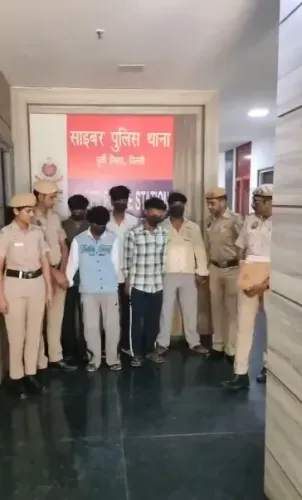
The Delhi Police have arrested two men in connection with a scholarship fraud that specifically targeted Tamil-speaking residents of Tamil Nadu, recovering a mobile phone containing data of approximately 54,000 contacts, including that of the original complainant. The arrests, made on 17 October and 21 October 2026 respectively, were carried out by the East District Cyber Police Station following an analysis of banking records, ATM CCTV footage, and digital evidence.
How the Fraud Worked
The case was triggered by a complaint filed by Muthu Kumar, a resident of Tamil Nadu, who was allegedly lured with a scholarship offer for higher education. On the pretext of securing the scholarship, he was induced to transfer approximately ₹17,989 online on 1 September. Kumar subsequently reported the incident on the National Cyber Crime Reporting Portal, which set the investigation in motion.
The financial trail led investigators to a Bank of India account from which the money was withdrawn through an ATM in East Delhi. An FIR was registered under Sections 112(2) and 318(4) of the Bharatiya Nyaya Sanhita (BNS).
The Accused and Their Roles
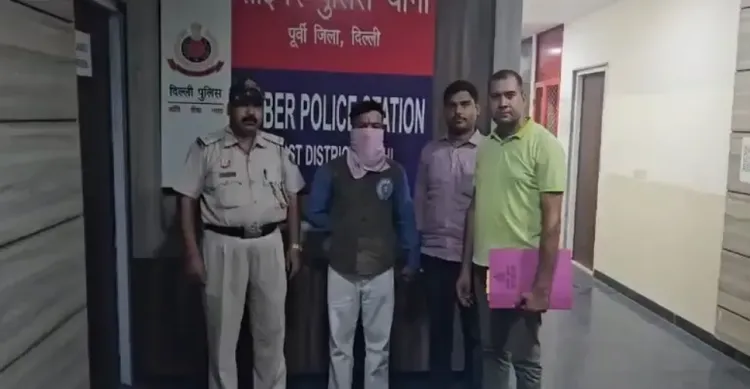
Police identified and arrested the first accused, Sachin Sharma, 29, after ATM footage placed him at the withdrawal. During interrogation, Sharma disclosed that he had provided his sister's ATM card and UPI access details to the second accused, Sumit, in exchange for a commission. Sharma reportedly withdrew ₹10,000, transferred ₹8,000 via UPI as directed by Sumit, and received ₹3,000 as his cut. He claimed to have been unaware that the funds were proceeds of cyber fraud.
Sumit was arrested on 21 October, and a Samsung S26 mobile phone was recovered from him. Examination of the device revealed Excel files shared via WhatsApp containing details of approximately 54,000 contacts — including Muthu Kumar's information. Both men allegedly facilitated the movement of cheated money through a mule bank account in exchange for commission.
The Larger Network
According to the police, Sumit disclosed that a woman known to him had sent the contact database on 6 August. She allegedly curated the list to target Tamil-speaking families whose children had recently completed school and were seeking higher education, using scholarship offers as bait to induce money transfers. Sumit claimed he was asked to print the database and arrange a bank account to receive the proceeds, after which he allegedly handed the funds over to the woman and an associate.
Notably, the scale of the contact list — 54,000 entries — suggests the fraud was not opportunistic but part of a structured, data-driven operation. This is consistent with a growing pattern of cyber fraud networks that purchase or compile demographic-specific databases to maximise targeting efficiency.
Investigation Status and What Comes Next
The role of the woman and her associates remains under active investigation. Police are examining the recovered device to identify additional victims, map financial transactions, and uncover further links within the suspected network. The recovery of such a large contact database raises the possibility of more victims beyond the current complainant, and investigators are reportedly working to trace whether similar frauds were carried out using the same list.
Point of View
000-entry contact database, sorted by demographic profile and shared over WhatsApp. This is not a two-bit fraud; it is a data-driven targeting operation, and the two men in custody are likely low-level facilitators, not its architects. The woman allegedly behind the database remains at large, and the network's full reach is unknown. India's cyber fraud ecosystem is maturing in a troubling direction: perpetrators are now buying or compiling socioeconomic-specific lists — school-leavers from Tamil Nadu seeking scholarships — to precision-target vulnerable populations. The BNS charges are appropriate, but unless investigators trace the data source and dismantle the supply chain of mule accounts, arrests like these will remain cosmetic.
NationPress
30 Oct 2026
Frequently Asked Questions
What is the Delhi scholarship fraud case involving Tamil Nadu residents?
Delhi Police arrested two men — Sachin Sharma and Sumit — for facilitating a scholarship fraud that targeted Tamil-speaking residents of Tamil Nadu. The victim, Muthu Kumar, was tricked into transferring ₹17,989 on 1 September after being offered a fake higher-education scholarship.
What was found on the phone recovered from the accused?
A Samsung S26 mobile phone recovered from Sumit contained Excel files shared via WhatsApp, holding data of approximately 54,000 contacts, including the complainant's details. Police believe the database was used to systematically target Tamil-speaking families with school-going children seeking higher education.
Who is believed to have supplied the contact list used in the fraud?
According to the police, Sumit disclosed that a woman known to him sent the 54,000-contact database on 6 August. She allegedly targeted Tamil-speaking families whose children had completed school and were looking for college admissions. Her identity and that of her associates are under investigation.
What legal charges have been filed in the case?
An FIR has been registered under Sections 112(2) and 318(4) of the Bharatiya Nyaya Sanhita (BNS) against the accused. Both men are accused of facilitating the movement of cheated money through mule bank accounts in exchange for commission.
Are more victims expected in this case?
The recovery of a 54,000-contact database strongly suggests additional victims beyond Muthu Kumar. Police are currently examining the recovered device to identify more victims, trace financial transactions, and map connections within the suspected fraud network.