Delhi CM Rekha Gupta Leads BJP Protest Over Women's Bill Rejection
Synopsis
Delhi CM Rekha Gupta and BJP MP Praveen Khandelwal led a protest against the Opposition following the Lok Sabha's rejection of the women's reservation Bill. This event underscores the heightened political tensions surrounding women's representation in Parliament.
Key Takeaways
Rekha Gupta leads a protest against women's Bill rejection.
The Constitution (131st Amendment) Bill, 2026 aimed for 33% women's reservation.
The Bill failed to gain the necessary majority in the Lok Sabha.
The rejection has intensified political tensions between the NDA and Opposition.
Women's representation in politics remains a critical issue.
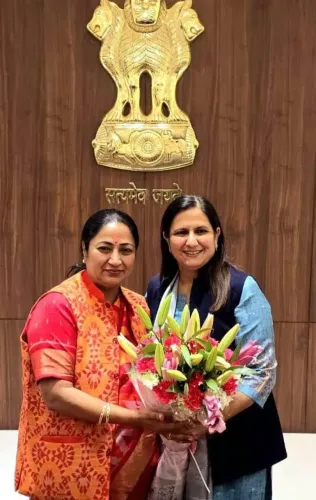
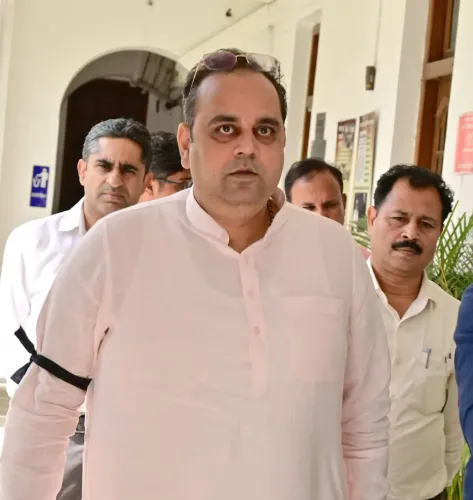
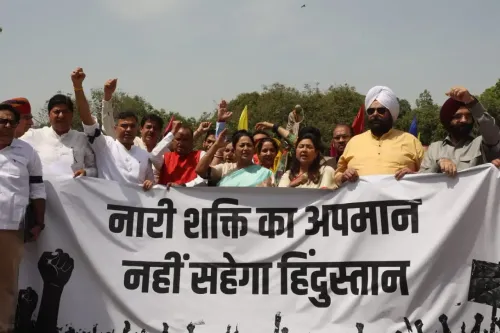
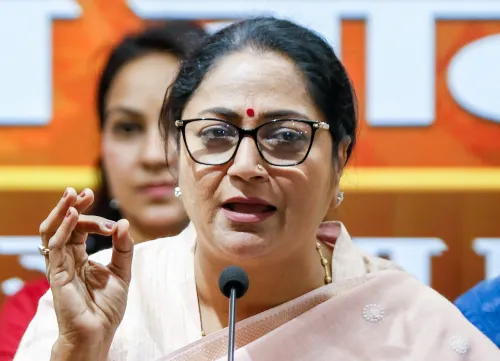
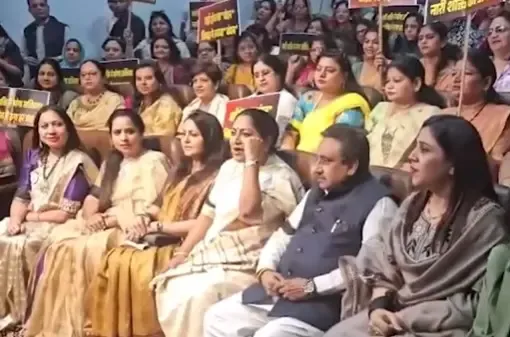
New Delhi, April 18 (NationPress) Delhi's Chief Minister, Rekha Gupta, together with Bharatiya Janata Party (BJP) MP Praveen Khandelwal, participated in a protest on Saturday, joined by women activists, expressing their profound disappointment regarding the rejection of the Constitution (131st Amendment) Bill, 2026, in the Lok Sabha.
The demonstrators voiced their discontent directed at the Opposition, escalating the political clash surrounding the unsuccessful women's reservation legislation.
During the rally, CM Gupta chanted: "Phool nahi chingari hai, hum Bharat ki naari hai; Mahilaon ka ye apman nahi sahega hindustan (We are not flowers, we are sparks; we are the women of India; India will not tolerate this insult to women)."
In his comments, BJP MP Praveen Khandelwal condemned the Opposition's actions in Parliament, stating, "…The manner in which Congress and other opposition parties voted against the Bill intended to empower women, and subsequently celebrated its defeat by thumping tables, showcased their satisfaction..."
This protest arises amidst a larger political backlash following the Bill's failure, with leaders from the ruling NDA blaming the Opposition for obstructing a historic initiative aimed at increasing women's political representation.
The Constitution (131st Amendment) Bill, 2026, aimed to provide a 33 percent reservation for women in Parliament and state Assemblies, along with increasing the strength of the Lok Sabha.
Despite extensive discussions, the legislation did not achieve the necessary two-thirds majority in the Lower House.
The Bill garnered 298 votes in favor and 230 against in the Lok Sabha, failing to meet the constitutional threshold required for its passage.
The rejection on Friday has sparked political reactions nationwide, with the NDA alliance accusing the Opposition INDIA bloc of hindering a landmark reform.
Previously, the Union government defended the Bill as an essential measure to rectify long-standing disparities in women's representation and to adjust Parliamentary seats based on population changes since the 1971 Census.
However, the opposition parties argued that the proposal was linked to broader electoral restructuring and raised concerns regarding federal balance and political intentions.
Point of View
Significant political tensions have emerged, prompting a broader dialogue on the empowerment of women. The opposing views from the ruling party and the Opposition illustrate the complexities of political dynamics in India's legislative processes.
NationPress
7 Oct 2026
Frequently Asked Questions
What was the Constitution (131st Amendment) Bill, 2026 about?
The Constitution (131st Amendment) Bill, 2026 aimed to provide a 33 percent reservation for women in Parliament and state Assemblies to enhance women's political representation.
Why did the Bill fail in the Lok Sabha?
The Bill failed to secure the required two-thirds majority in the Lok Sabha, receiving 298 votes in favor and 230 against.
What are the implications of the Bill's rejection?
The rejection of the Bill has heightened political tensions and sparked nationwide reactions, with accusations against the Opposition for hindering women's empowerment.
Who participated in the protest?
Delhi CM Rekha Gupta and BJP MP Praveen Khandelwal, along with women workers, participated in the protest.
What were the slogans raised during the protest?
CM Gupta raised slogans emphasizing women's strength and resilience, stating 'We are not flowers, we are sparks; we are the women of India; India will not tolerate this insult to women.'