Delhi CM Rekha Gupta leads BJP protest over Women's Reservation Bill
Synopsis
Delhi's BJP government turned the Women's Reservation Bill's parliamentary defeat into a political statement — staging a protest inside the Assembly and convening a special session to demand implementation of the Nari Shakti Vandan Adhiniyam. With 298 votes for and 230 against in the Lok Sabha, the Constitution (131st Amendment) Bill, 2026 fell short of the two-thirds threshold, and the Centre has since shelved linked delimitation votes.
Key Takeaways
Delhi CM Rekha Gupta led a BJP protest at the Delhi Assembly on 28 April demanding implementation of the Nari Shakti Vandan Adhiniyam .
A one-day special Assembly session was convened specifically to discuss women's reservation and pass a government resolution under Rule 90 .
The Constitution (131st Amendment) Bill, 2026 received 298 votes in favour and 230 against in the Lok Sabha — short of the required two-thirds majority .
Following the bill's defeat, the Centre shelved related votes on delimitation and Lok Sabha seat expansion .
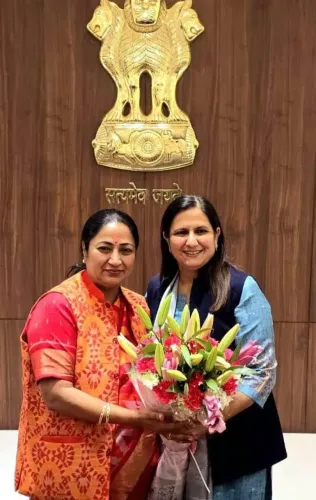
Gupta met Lieutenant Governor T.S.
Sandhu on 27 April ahead of the special session, according to an official Raj Niwas statement.
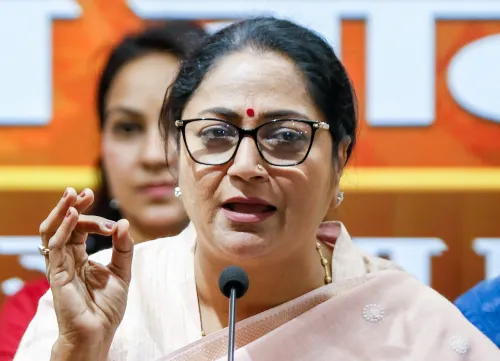
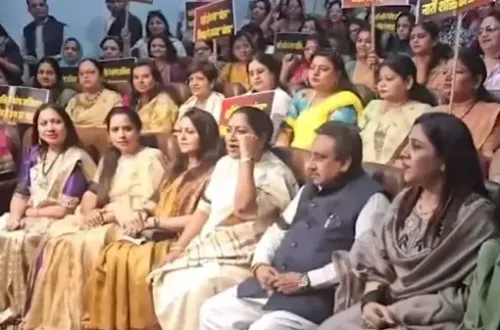
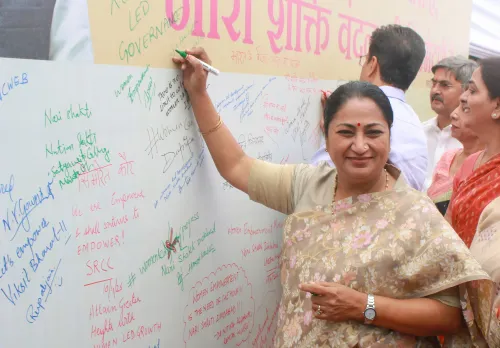
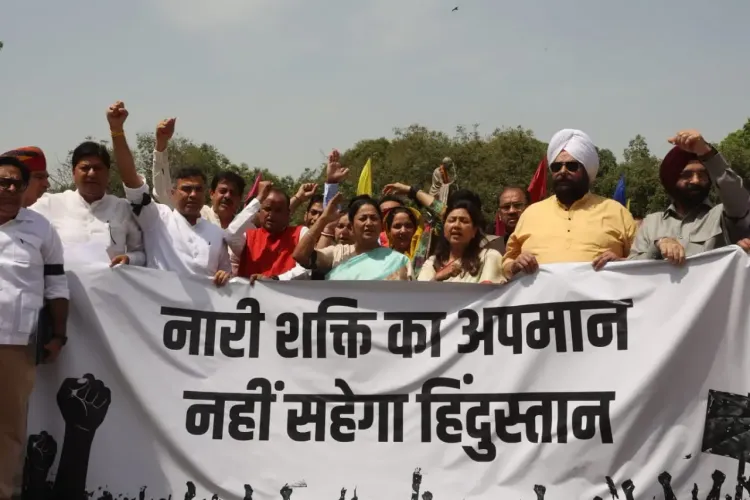
Delhi Chief Minister Rekha Gupta on Tuesday, 28 April led a demonstration of Bharatiya Janata Party (BJP) legislators inside the Delhi Assembly complex, demanding implementation of the Nari Shakti Vandan Adhiniyam (Women's Reservation Act) ahead of a one-day special session convened to discuss the bill's failure in Parliament.
What Happened at the Assembly
BJP MLAs, joined by Chief Minister Gupta, staged the protest within the Assembly premises before the special sitting commenced. The ruling party pushed for a formal resolution under Rule 90, moved by the Chief Minister, backing implementation of the constitutional amendment. The session's agenda also included obituary references and tabling of finance and appropriation accounts.
Gupta raised sharp objections over the opposition's stance, with the ruling side criticising opposition parties for what it described as a failure to support women's political representation. The House was also expected to consider a resolution specifically criticising opposition parties over the bill's defeat in the Lok Sabha.
Why the Bill Failed in Parliament
The Constitution (131st Amendment) Bill, 2026, which sought to enable women's reservation after delimitation of constituencies, failed to clear a crucial parliamentary hurdle after the Centre was unable to secure the required two-thirds majority in the Lok Sabha. The bill received 298 votes in favour and 230 against — falling short of the threshold needed for passage.
Following the bill's defeat, the Centre decided not to proceed with related votes on delimitation and Lok Sabha seat expansion, stating that the proposals were interconnected. Notably, this marks a significant setback for a legislation that had been a stated priority of the ruling dispensation.
Gupta's Meeting with Lieutenant Governor
A day before the special session, on Monday, 27 April, Chief Minister Gupta met Lieutenant Governor T.S. Sandhu at the Delhi Lieutenant Governor's residence, according to an official statement from Raj Niwas. The meeting is understood to have been held in the context of the upcoming special Assembly session.
Broader Context and What's Next
The Nari Shakti Vandan Adhiniyam, which proposes reservation of seats for women in Parliament and state legislatures, has remained a politically charged issue across party lines. The Delhi Assembly's special session signals the BJP's intent to keep the issue in public focus following the parliamentary setback. Whether the Centre revisits the legislation — or links it to a fresh delimitation exercise — will be closely watched in the months ahead.
Point of View
But it sidesteps the harder accountability question: why did the Centre bring a constitutional amendment without securing the required majority first?
NationPress
13 Oct 2026
Frequently Asked Questions
What is the Nari Shakti Vandan Adhiniyam?
The Nari Shakti Vandan Adhiniyam, also known as the Women's Reservation Act, is a constitutional amendment that proposes reservation of seats for women in Parliament and state legislatures. Its implementation was linked to the delimitation of constituencies.
Why did the Women's Reservation Bill fail in Parliament?
The Constitution (131st Amendment) Bill, 2026 failed because it received 298 votes in favour and 230 against in the Lok Sabha, falling short of the two-thirds majority required to pass a constitutional amendment. The Centre subsequently decided not to proceed with related delimitation and Lok Sabha seat expansion votes.
Why did Delhi CM Rekha Gupta hold a protest inside the Assembly?
Chief Minister Rekha Gupta led BJP legislators in a protest at the Delhi Assembly complex on 28 April to demand implementation of the Nari Shakti Vandan Adhiniyam and to criticise opposition parties for not supporting the bill in Parliament.
What was discussed at the Delhi Assembly special session?
The special one-day session covered obituary references, tabling of finance and appropriation accounts, and a government resolution under Rule 90 moved by the Chief Minister, backing implementation of the Women's Reservation Act. The House also deliberated on a resolution criticising opposition parties over the bill's defeat.
What happens next with the Women's Reservation Bill?
Following the Lok Sabha defeat, the Centre has shelved related votes on delimitation and Lok Sabha seat expansion, stating the proposals were interconnected. Whether the government revisits the legislation in a future parliamentary session remains to be seen.