Delhi explores tech to cut NCR pollution: Minister Sirsa
Synopsis
With Delhi's AQI already hitting a six-year October high of 187, Minister Sirsa's stakeholder Innovation Challenge is zeroing in on two underexplored levers — cutting crematorium emissions by over 95% and deploying cheap hyper-local sensors to map pollution block by block. Whether the ideas survive the journey from meeting room to street is the real question as smog season approaches.
Key Takeaways
Delhi Minister Manjinder Singh Sirsa held a stakeholder meeting on 17 October 2026 to explore innovative anti-pollution technologies for the NCR .
A proposed technology could reduce crematorium emissions by more than 95 per cent or bring them to near zero.
Affordable hyper-local AQI sensors were discussed as a tool to identify neighbourhood-level pollution sources.
Delhi's AQI hit 187 on 4 October — the highest four-day average for that period since 2020 .
A construction ban runs from 1 November to 31 January ; the 'No PUCC, No Fuel' drive will be enforced at ANPR-equipped fuel stations.
Union Minister Bhupender Yadav and CM Rekha Gupta reviewed Delhi's Air Pollution Mitigation Action Plan on 29 September .
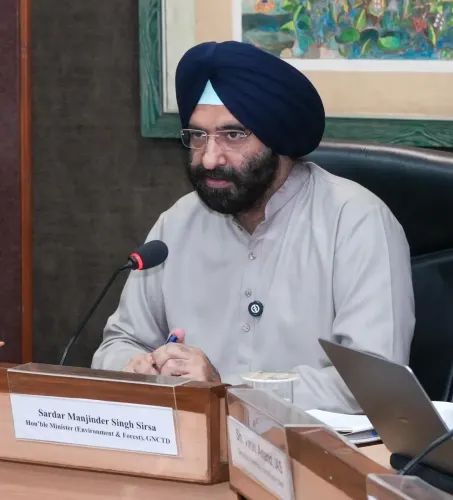
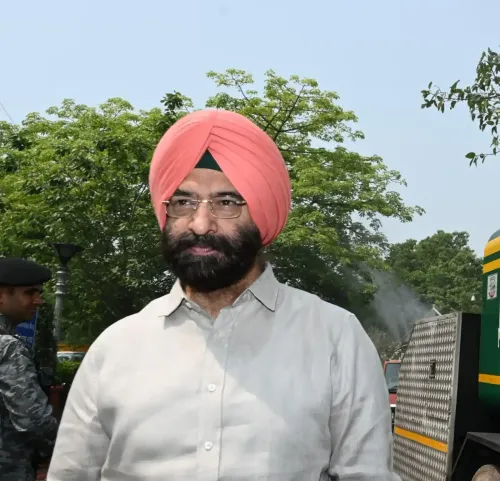
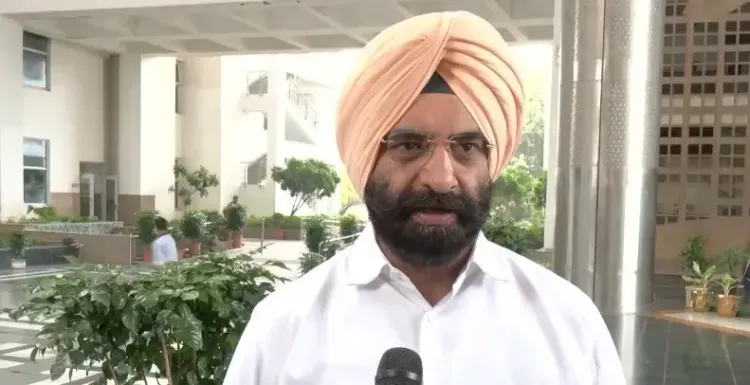
Delhi Minister Manjinder Singh Sirsa on Saturday, 17 October said a stakeholder meeting was convened to explore innovative technologies and targeted interventions to combat pollution across the National Capital Region (NCR), with emphasis on cutting emissions and strengthening hyper-local air quality monitoring. The discussions come as Delhi braces for another high-pollution winter season.
Key Developments from the Stakeholder Meeting
Minister Sirsa said several actionable ideas emerged from the Innovation Challenge discussions. A standout proposal involved technology capable of reducing crematorium emissions by more than 95 per cent — or bringing them down to near zero. The Minister described it as one of the more promising interventions under review.
'Today, a meeting was held with stakeholders regarding an Innovation Challenge related to pollution in the NCR. We discussed new innovations and interventions that could help tackle Delhi's pollution. Several good suggestions emerged,' Sirsa said.
Hyper-Local Air Quality Sensors in Focus
The meeting also spotlighted the potential of affordable hyper-local air quality monitoring sensors to pinpoint pollution sources at the neighbourhood level. Sirsa noted that both government-installed monitoring systems and lower-cost sensor technologies are now available, enabling far more granular data collection than traditional networks allow.
'These technologies can help us gather hyper-local information about pollution sources and identify where the pollution is coming from,' he added.
Why This Winter Feels Different
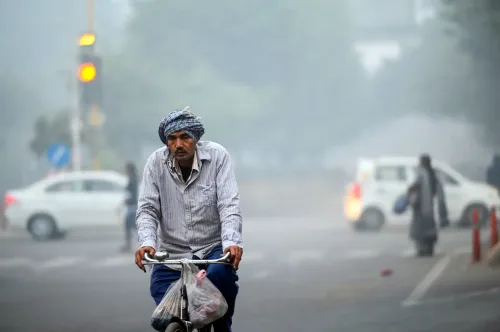
Delhi's air quality has already shown early warning signs. An Air Quality Index (AQI) reading of 187 on 4 October represented the highest four-day average for the corresponding period since 2020, raising alarm among health officials. Deteriorating air quality each winter is driven by a convergence of factors — cold weather trapping pollutants close to the ground, vehicular emissions, construction dust, and crop stubble burning in neighbouring states.
Health experts have repeatedly flagged the long-term consequences of prolonged particulate matter exposure, including elevated risk of respiratory and cardiovascular disease, particularly among children and the elderly.
Government's Existing Action Plan
On 29 September, Union Environment, Forest and Climate Change Minister Bhupender Yadav chaired a high-level meeting with Delhi Chief Minister Rekha Gupta to review the capital's Air Pollution Mitigation Action Plan. The plan includes the 'No PUCC, No Fuel' initiative, under which vehicles without a valid Pollution Under Control Certificate (PUCC) will be denied fuel at stations equipped with Automatic Number Plate Recognition (ANPR) systems.
Additionally, a complete ban on dust-generating demolition and outdoor civil construction activities is set to come into force from 1 November through 31 January — a seasonal enforcement measure that has been part of Delhi's winter pollution response in previous years as well.
What Comes Next
The Innovation Challenge process suggests that technology-based solutions identified in the stakeholder meeting could be piloted ahead of peak winter months, though no formal timeline or procurement framework has been announced yet. With AQI levels already elevated in early October, authorities face pressure to translate these discussions into on-ground action before smog season intensifies.
Point of View
Yet the city's AQI charts the same grim arc each winter — suggesting a gap between ideation and execution. The crematorium emission proposal is genuinely novel and, if piloted at scale, could address a source that rarely features in headline policy. The harder problem is enforcement bandwidth: the 'No PUCC, No Fuel' and construction-ban measures have been on the books before but compliance has been patchy. Hyper-local sensors are only as useful as the institutional capacity to act on the data they generate. The real test for Sirsa's Innovation Challenge is whether any of these technologies are actually procured and deployed before December — not whether they sound promising in a meeting room.
NationPress
17 Oct 2026
Frequently Asked Questions
What technologies did Delhi explore to tackle NCR pollution?
At a stakeholder meeting on 17 October 2026, Delhi discussed technologies to reduce crematorium emissions by more than 95 per cent and the use of affordable hyper-local air quality sensors to identify pollution sources at a neighbourhood level. Both proposals emerged from an Innovation Challenge convened by Minister Manjinder Singh Sirsa.
Why is Delhi's air quality a concern this October?
An AQI reading of 187 on 4 October 2026 was the highest four-day average for that period since 2020, signalling an early and potentially severe pollution season. Winter weather traps pollutants near ground level, compounding vehicular emissions, dust, and stubble burning from neighbouring states.
What is the 'No PUCC, No Fuel' initiative?
Under this initiative, vehicles without a valid Pollution Under Control Certificate (PUCC) will be denied fuel at stations equipped with Automatic Number Plate Recognition (ANPR) systems. It is part of Delhi's Air Pollution Mitigation Action Plan reviewed by Union Minister Bhupender Yadav and Chief Minister Rekha Gupta on 29 September.
When does Delhi's construction ban kick in?
A complete ban on dust-generating demolition and outdoor civil construction activity will be enforced from 1 November to 31 January, a seasonal measure designed to limit particulate matter pollution during peak smog months.
Who is leading Delhi's winter pollution response?
Delhi Minister Manjinder Singh Sirsa is overseeing the Innovation Challenge process for new technologies, while Union Environment Minister Bhupender Yadav and Chief Minister Rekha Gupta reviewed the broader Air Pollution Mitigation Action Plan in a high-level meeting on 29 September 2026.