Delhi L-G TS Sandhu fast-tracks deregulation, ease of doing business reforms
Synopsis
Delhi L-G T.S. Sandhu is pushing to legislatively rewire how the capital regulates business — proposing a 'Permitted until Prohibited' default through the Delhi Ease of Doing Business Bill, 2026. If enacted, it would mark the most significant shift in Delhi's regulatory culture in years, cutting approval timelines and compliance loads that have long put the capital behind other major metros.
Key Takeaways
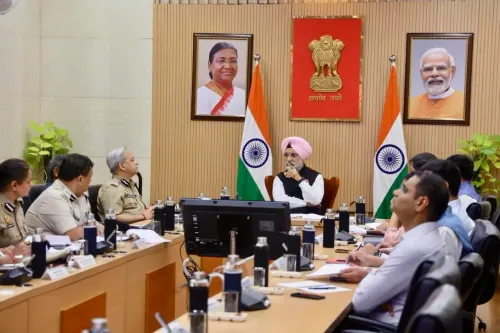
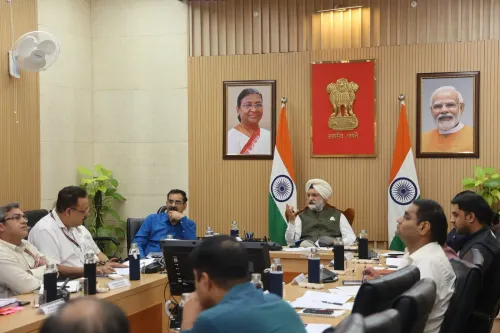
Sandhu chaired a review of Phase-2 of the city's deregulation and compliance-reduction exercise on 29 October 2026 .
Sandhu stressed fast-tracking the Delhi Ease of Doing Business Bill, 2026 , to introduce a 'Permitted until Prohibited' regulatory framework.
All departments were directed to complete the compliance-reduction exercise swiftly , with a focus on fewer approvals and less red tape for citizens and businesses.
In a separate meeting, Sandhu reviewed Delhi Police Commissioner Anurag Kumar's community policing initiatives, with special focus on senior citizens and women commuters .
The L-G directed expansion of Delhi Police's senior citizen mobile application after reassessing coverage data.
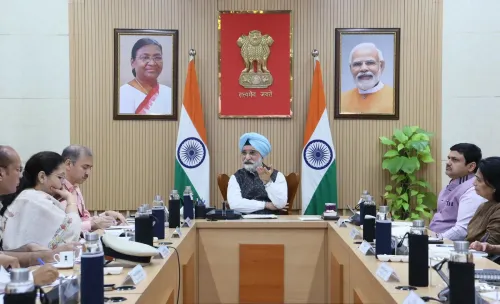
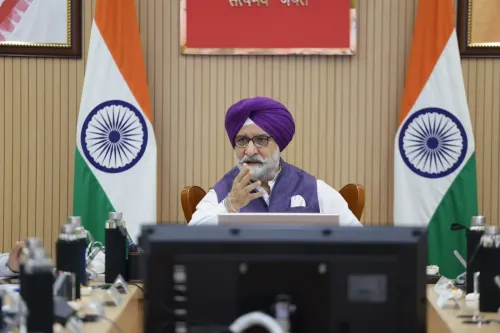
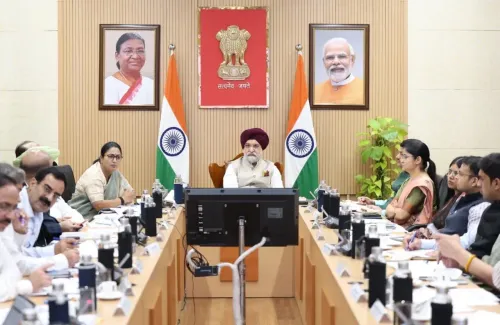
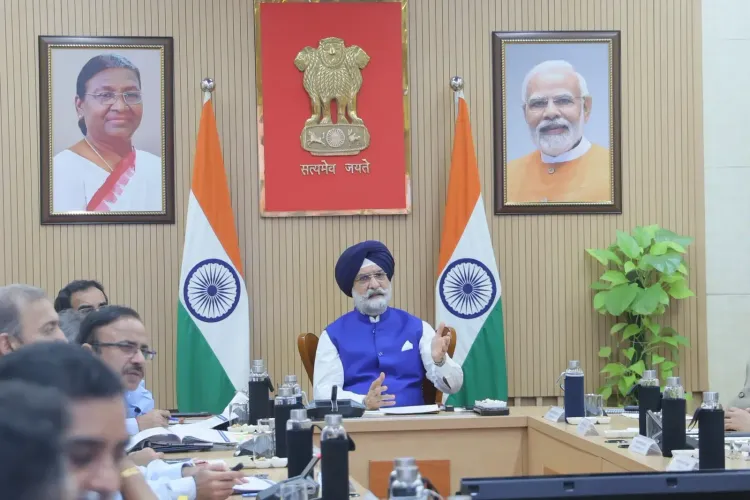
Delhi Lieutenant Governor T.S. Sandhu on Thursday, 29 October 2026, chaired a review of Phase-2 of the national capital's deregulation and compliance-reduction exercise, directing all departments to accelerate reforms aimed at cutting red tape and improving ease of doing business for residents and entrepreneurs across Delhi.
Key Developments
In a post on social media platform X, Lieutenant Governor Sandhu said he had 'Chaired a review of Phase-II of Delhi's Deregulation and Compliance Reduction exercise, advancing PM Narendra Modi's vision of Ease of Doing Business and Ease of Living.' He further stressed the urgency of fast-tracking the Delhi Ease of Doing Business Bill, 2026, which aims to introduce a 'Permitted until Prohibited' framework — a foundational shift toward faster, more transparent, and citizen-centric governance.
Sandhu directed all government departments to complete the compliance-reduction exercise swiftly, ensuring reforms translate into less red tape, faster approvals, and a governance system oriented toward everyday citizens rather than administrative convenience.
What the 'Permitted until Prohibited' Framework Means
The proposed framework represents a structural reversal of the traditional regulatory default, where businesses and citizens must seek explicit permission before undertaking most activities. Under the new model, activities would be presumed permissible unless specifically prohibited — a model that several global business-friendly jurisdictions have adopted. If enacted through the Delhi Ease of Doing Business Bill, 2026, this could significantly reduce approval timelines and lower the compliance burden on small traders, startups, and individual entrepreneurs operating in the capital.
Police Meeting: Safety for Senior Citizens and Women
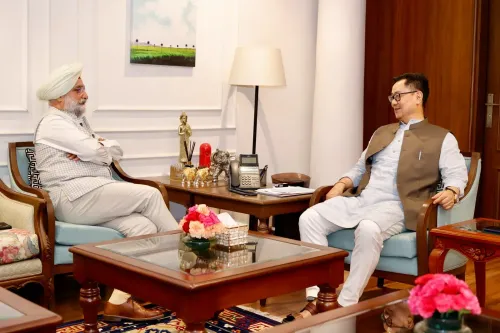
Separately on Thursday, L-G Sandhu held a review meeting with Delhi Police Commissioner Anurag Kumar, focusing on community policing initiatives, public welfare platforms, and targeted safety measures across the National Capital Territory. The meeting gave particular emphasis to senior citizens and women commuters — demographics that officials identified as requiring stronger institutional support.
Sandhu reviewed the functioning and adoption of Delhi Police's dedicated senior citizen mobile application, taking stock of outreach levels, registrations, and beat-level police engagement with elderly residents. He underlined the need for prompt grievance redressal, robust emergency assistance, and regular in-person visits by local police personnel to ensure the safety and confidence of senior citizens.
The Lieutenant Governor directed a thorough reassessment of the senior citizen population data so the mobile application's coverage could be expanded accordingly.
Context and Broader Significance
Delhi's deregulation push fits into a wider Centre-driven agenda of reducing the compliance burden on businesses and citizens, mirroring similar drives undertaken at the national level through DPIIT and the National Single Window System. Phase-1 of Delhi's exercise had already flagged hundreds of redundant or duplicative requirements across departments. Phase-2 is expected to go deeper into sector-specific regulations. Notably, Delhi's regulatory environment has historically ranked below several other major Indian metros on ease-of-doing-business indices, making the push for a legislative framework especially significant.
What Comes Next
The Delhi Ease of Doing Business Bill, 2026, is expected to be fast-tracked through the legislative process following Thursday's review. All departments have been instructed to complete their compliance-reduction submissions swiftly. How quickly the bill reaches the floor and whether it clears political hurdles in Delhi's complex governance architecture — where the elected government and L-G office have historically clashed on jurisdictional questions — will determine the pace of real-world impact.
Point of View
Not merely trim its edges. But Delhi's governance architecture, with its unresolved friction between the L-G's office and the elected government, has historically been where reform momentum goes to stall. The Ease of Doing Business Bill's speed through the legislature will be the real test of whether this is structural change or another layer of intent. Meanwhile, the push for senior citizen policing infrastructure is pragmatic, but its impact depends on last-mile adoption — something mobile-app rollouts in Delhi have struggled with before.
NationPress
29 Oct 2026
Frequently Asked Questions
What is the Delhi Ease of Doing Business Bill, 2026?
It is a proposed legislation that Delhi L-G T.S. Sandhu has directed officials to fast-track, aimed at introducing a 'Permitted until Prohibited' regulatory framework in the capital. The bill seeks to reduce compliance red tape, speed up approvals, and make governance more citizen-centric for businesses and residents.
What is Phase-2 of Delhi's deregulation exercise?
Phase-2 is the second stage of Delhi's ongoing deregulation and compliance-reduction programme, which reviews and eliminates redundant or burdensome regulatory requirements across government departments. L-G Sandhu chaired the Phase-2 review on 29 October 2026, directing all departments to complete submissions swiftly.
What does 'Permitted until Prohibited' mean for businesses in Delhi?
It means business and citizen activities would be presumed legally permissible by default unless specifically prohibited by law — reversing the traditional model where explicit government approval is required before most activities. This could significantly reduce approval timelines and lower the compliance burden for small traders and entrepreneurs.
What was discussed at the meeting between L-G Sandhu and Delhi Police Commissioner Anurag Kumar?
The meeting focused on community policing initiatives, public welfare platforms, and safety measures across Delhi, with particular emphasis on senior citizens and women commuters. L-G Sandhu reviewed the Delhi Police's dedicated senior citizen mobile application and directed that coverage be expanded after a reassessment of population data.
Why does Delhi's ease of doing business matter nationally?
Delhi has historically ranked below several major Indian metros on ease-of-doing-business indices, making a legislative reform push particularly significant. The deregulation drive also aligns with the Centre's broader agenda to reduce compliance burdens nationwide, signalling that the capital may finally be moving toward structural regulatory reform.