Delhi Metro adds 20 extra weekday trips as GRAP-1 enforced, AQI hits 238
Synopsis
Delhi's AQI hit 238 — 'poor' for the first time this season — triggering GRAP Stage 1 and prompting the DMRC to add 20 extra weekday Metro trips from Thursday. With over 250 anti-smog guns deployed and 31 km of construction roads under inspection, the capital is bracing for its worst winter pollution stretch. Whether commuters shift away from private vehicles will be the real test.
Key Takeaways
The DMRC will operate 20 additional train trips on weekdays starting Thursday, 22 October 2026 , in response to GRAP Stage 1 enforcement.
Delhi's AQI reached 238 on Wednesday morning, entering the 'poor' category for the first time this season, according to the CPCB .
More than 250 anti-smog guns and mist guns have been deployed at DMRC construction sites, Metro stations, and office buildings.
Around 31 km of city roads under DMRC's temporary jurisdiction are being inspected for dust compliance, with wheel-washing facilities at construction exits made mandatory.
GRAP is a four-stage escalation framework; stricter restrictions on construction and vehicles will follow automatically if AQI breaches higher thresholds.
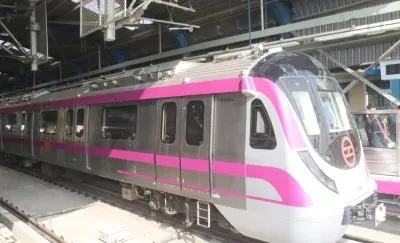
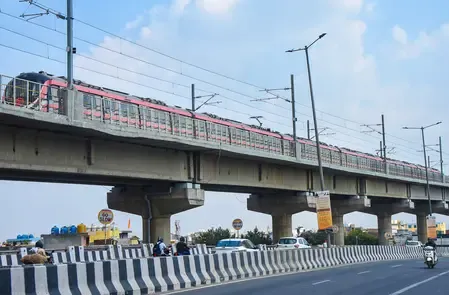
The Delhi Metro Rail Corporation (DMRC) on Wednesday, 21 October 2026, announced 20 additional train trips on weekdays starting Thursday, as authorities enforced Stage 1 of the Graded Response Action Plan (GRAP) in New Delhi following a sharp deterioration in air quality. The move is aimed at nudging commuters away from personal vehicles as the capital enters its annual winter pollution season.
What DMRC Is Doing
'From tomorrow, Delhi Metro will be running 20 additional trips on its network on weekdays to encourage more and more people to use public transport instead of their personal vehicles,' the DMRC said in a statement. The expanded service will run across the Metro network, supplementing existing schedules during peak and off-peak hours.
Beyond frequency, the corporation has also launched intensified anti-pollution measures at its 31 km of city roads currently under temporary DMRC jurisdiction for ongoing construction work. Most of these stretches have reportedly already been repaired to prevent damaged road surfaces from contributing to dust pollution.
Construction Site Crackdown
DMRC engineers have been directed to conduct thorough inspections of all construction sites and adjoining roads, ensuring that construction materials are properly covered and that wheel-washing facilities for outgoing vehicles remain fully operational. Activities include clearing road dust from surrounding stretches and removing garbage from footpaths and road medians.
The corporation has deployed more than 250 anti-smog guns and mist guns at construction sites, Metro stations, and office buildings to bring down ambient dust levels. The DMRC's Environment Department is conducting daily compliance inspections to ensure all sites meet environmental norms.
Why GRAP-1 Was Triggered
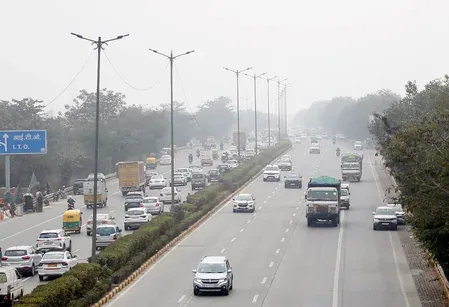
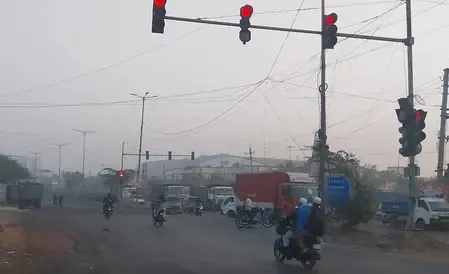
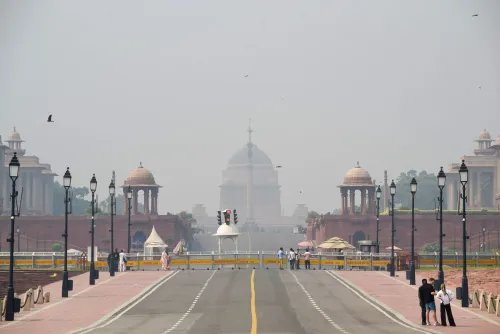
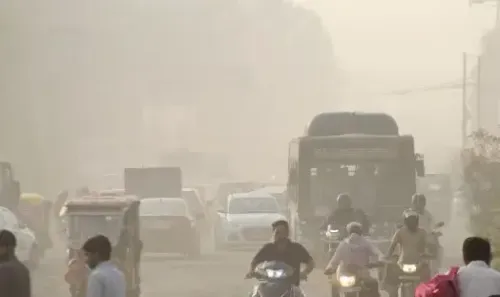
Authorities enforced GRAP Stage 1 on Wednesday after the Air Quality Index (AQI) climbed to 238 on Wednesday morning, according to the Central Pollution Control Board (CPCB) — entering the 'poor' category for the first time this season. The sudden spike ahead of winter has raised concerns among health officials and urban planners alike.
This comes amid a well-documented seasonal pattern: Delhi's AQI typically worsens sharply between October and January, driven by a combination of crop stubble burning in neighbouring states, falling temperatures that trap pollutants close to ground level, and increased vehicular and industrial emissions. The enforcement of GRAP-1 is the first step in a four-stage escalation framework; if AQI breaches higher thresholds, progressively stricter restrictions on construction and vehicles kick in automatically.
Broader Impact and What Comes Next
The additional Metro trips and construction-site crackdowns are part of a wider suite of measures being rolled out by multiple Delhi agencies to curb emissions from road dust, vehicles, and industrial units. Air quality will be closely monitored in the coming days, with authorities prepared to invoke higher GRAP stages if pollution levels worsen further.
For daily commuters, the 20 extra weekday trips offer a practical incentive to shift to public transport at a time when vehicular emissions are under heightened scrutiny. Whether ridership numbers respond significantly will be an early test of how effectively GRAP-linked transport interventions can move the dial on Delhi's pollution this season.
Point of View
But the structural problem is that Delhi's annual GRAP cycle has become almost ritualistic — agencies announce incremental measures each October, AQI climbs anyway, and by November the capital is in Stage 3 or 4. The real question is whether Metro frequency alone, in the absence of meaningful parking disincentives or congestion pricing, will actually shift enough commuters. DMRC ridership data from past GRAP seasons suggests marginal upticks, not the decisive modal shift the city needs. Meanwhile, the stubble-burning season in Punjab and Haryana — which historically contributes a significant share of Delhi's winter PM2.5 load — is just beginning, meaning today's AQI of 238 may look modest by mid-November.
NationPress
21 Oct 2026
Frequently Asked Questions
Why is Delhi Metro adding 20 extra trips on weekdays?
The DMRC is adding 20 extra weekday trips starting 22 October 2026 in direct response to the enforcement of GRAP Stage 1, triggered by Delhi's AQI hitting 238 and entering the 'poor' category. The aim is to encourage commuters to use public transport instead of private vehicles, thereby reducing vehicular emissions.
What is GRAP Stage 1 and why was it enforced in Delhi?
GRAP, or the Graded Response Action Plan, is a four-stage pollution-control framework that imposes progressively stricter restrictions as air quality worsens. Stage 1 was enforced on 21 October 2026 after the Central Pollution Control Board recorded an AQI of 238 in Delhi — the first time this season the city entered the 'poor' category.
What anti-pollution measures is the DMRC implementing at construction sites?
The DMRC is conducting daily inspections of its construction sites to ensure materials are covered, wheel-washing facilities for outgoing vehicles are operational, and road dust on surrounding stretches is cleared. More than 250 anti-smog guns and mist guns have been installed across sites, Metro stations, and office buildings.
How many kilometres of roads are under DMRC's temporary jurisdiction?
Around 31 km of city roads are currently under the DMRC's temporary jurisdiction to facilitate ongoing Metro construction work. The corporation says most of these stretches have already been repaired to prevent damaged surfaces from generating dust pollution.
What happens if Delhi's air quality worsens further?
If the AQI crosses higher thresholds, GRAP automatically escalates to Stage 2, 3, or 4, each bringing stricter restrictions — potentially including curbs on diesel vehicles, construction activity bans, and school closures. Authorities have said air quality will be closely monitored in the coming days.