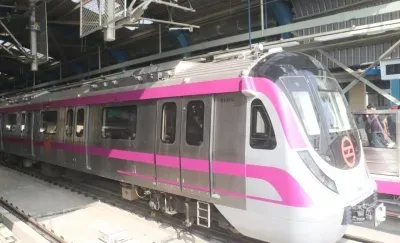
Delhi Metro adds 24 extra trips every Monday from May 18 to cut private vehicle use
Synopsis
Starting 18 May, Delhi Metro is running 24 extra trips every Monday via six additional trains — part of a sweeping push that also covers hydrogen buses, 1,500 DTC feeder buses, last-mile e-autos at 160 stations, and digital ticketing across Paytm, WhatsApp, and ONDC. The scale of the rollout signals DMRC is serious about making Metro the default over private vehicles.
Key Takeaways
DMRC will run 24 additional train trips every Monday starting 18 May 2025 , using 6 extra trains .
Additional services may also run on other days based on passenger demand .
Security upgrades include extra personnel, more ticket counters, and activated DFMDs and baggage scanners to cut peak-hour waiting times.
Last-mile connectivity covers nearly one lakh passengers daily across 160 Metro stations via e-autos, e-rickshaws, and bike taxis.
1,500 Devi buses (DTC) provide feeder services at 52 Metro stations , with more to be added.
Parking is available at 126 Metro stations to support 'park and ride' commuting.
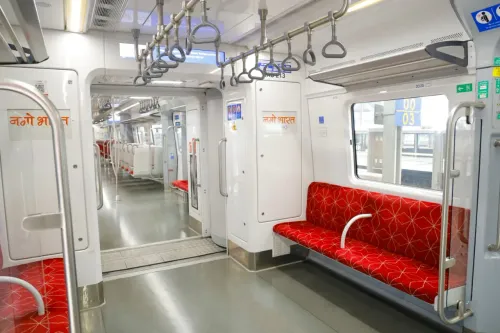
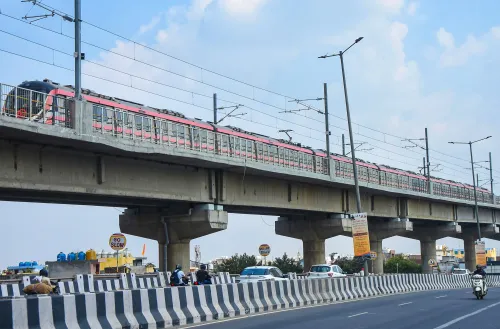
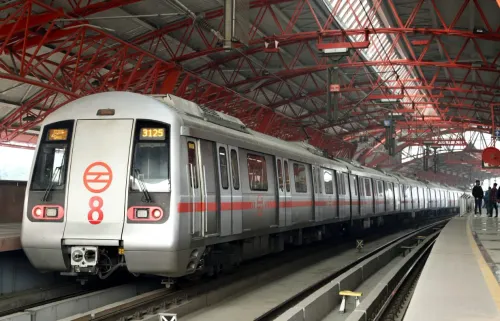
The Delhi Metro Rail Corporation (DMRC) on Sunday, 18 May 2025, announced a comprehensive package of measures to strengthen public transport across the Delhi-NCR network, including 24 additional train trips every Monday starting 18 May, deployed through six extra trains. The move is aimed at reducing dependence on private, petroleum-based vehicles and advancing sustainable urban mobility.
Key Operational Changes
The 24 additional Monday trips will be introduced from 18 May onwards, with the DMRC stating that supplementary services may be rolled out on other days as well, subject to passenger demand. The corporation said it is fully prepared to absorb any surge in footfall and will monitor travel patterns in real time to ensure uninterrupted operations.
To ease passenger movement during peak hours, the DMRC is deploying additional security personnel, opening more ticket counters, activating spare door frame metal detectors (DFMDs) and baggage scanners, and taking steps to cut waiting time at frisking points.
Integrated Connectivity Across Delhi-NCR
The DMRC underlined its role as a hub of integrated urban transport, highlighting seamless connections to railway stations, Interstate Bus Terminals (ISBTs), airport terminals, the Namo Bharat Regional Rapid Transit System (RRTS), the Noida Metro, and the Rapid Metro in Gurugram. The network also links commercial centres, government offices, educational institutions, and tourism landmarks across the region.
'From Chandni Chowk and Connaught Place to Cyber City, educational hubs and iconic landmarks, Delhi Metro continues to provide comprehensive urban accessibility across Delhi-NCR,' the DMRC said in an official statement.
First and Last-Mile Ecosystem
Across 160 Metro stations, the DMRC has built a first-mile and last-mile connectivity ecosystem — comprising e-autos, e-rickshaws, bike taxis, cab aggregators, and bicycle rentals — that benefits nearly one lakh passengers daily. The corporation's DMRC Saarthi App integrates Metro ticketing and last-mile booking on a single digital platform.
In a recent initiative, the DMRC — with support from Indian Oil Corporation Limited — launched hydrogen-based bus services in the Central Vista area to bridge the gap between Metro stations and government offices. Around 1,500 Devi buses operated by the Delhi Transport Corporation (DTC) are currently providing feeder services at 52 Metro stations, with more buses to be added progressively.
Digital Ticketing and Parking
The DMRC highlighted its suite of digital ticketing options: QR-code tickets, National Common Mobility Cards (NCMC), WhatsApp-based ticketing, and integrations with Paytm, PhonePe, Amazon, and IRCTC, as well as services through the Open Network for Digital Commerce (ONDC). Parking facilities are operational at 126 Metro stations to support 'park and ride' commuting and encourage the shift from private vehicles.
With national priorities increasingly aligned toward energy security and emission reduction, the DMRC's latest push signals an intent to make Metro travel the default choice for Delhi-NCR commuters — and the real test will be whether the Monday surge in ridership sustains through the week.
Point of View
But its real value lies in whether it nudges habitual car users rather than simply serving existing Metro riders. The hydrogen bus pilot at Central Vista and the 1,500-strong DTC feeder fleet are the less-noticed elements here — they address the last-mile gap that has historically been Metro's weakest link. What the announcement does not address is frequency on non-Monday days, where overcrowding on key corridors remains a persistent complaint. A Monday-only push, however well-executed, is a starting point, not a solution.
NationPress
20 Sept 2026
Frequently Asked Questions
How many extra train trips is Delhi Metro adding and from when?
The DMRC is adding 24 extra train trips every Monday starting 18 May 2025, deployed through six additional trains. The corporation has also indicated that supplementary services may run on other days depending on passenger demand.
Why is DMRC introducing additional train trips?
The move is aimed at encouraging commuters to shift from private, petroleum-based vehicles to public transport, in line with national priorities around energy security, sustainable mobility, and environmental protection.
What security upgrades is DMRC implementing alongside the extra trips?
DMRC is deploying additional security personnel, opening more ticket counters, activating spare door frame metal detectors (DFMDs) and baggage scanners, and taking steps to reduce waiting time at frisking points during peak hours.
How does Delhi Metro support first-mile and last-mile connectivity?
Across 160 Metro stations, DMRC has built a connectivity ecosystem — e-autos, e-rickshaws, bike taxis, cab aggregators, and bicycle rentals — that serves nearly one lakh passengers daily. The DMRC Saarthi App integrates Metro and last-mile bookings on a single platform.
What digital ticketing options does Delhi Metro offer?
Delhi Metro supports QR-code tickets, National Common Mobility Cards (NCMC), WhatsApp-based ticketing, and integrations with Paytm, PhonePe, Amazon, and IRCTC, as well as the Open Network for Digital Commerce (ONDC).