Delhi Police busts Cambodia-linked cyber ring, ₹2 crore frozen
Synopsis
A hotel room in Dwarka allegedly served as a relay point for a Cambodia-based fraud syndicate. Delhi Police found an app forwarding OTPs abroad and seven Telegram channels trading bank accounts, and put ₹2 crore on hold before it could vanish.
Key Takeaways
Delhi Police's IFSO unit busted a Cambodia -linked cybercrime network on 27 November 2026 and arrested five people .
About ₹2 crore in suspicious transactions in an HDFC Bank mule account in the name of M/s MR Traders was put on hold.
An app called 'SMS TOOLS' was allegedly forwarding OTPs to cybercriminals abroad.
Police identified seven Telegram channels allegedly used to trade mule bank accounts.
The mule account is linked to two cybercrime cases in Andhra Pradesh .
Police seized six mobile phones and a cheque book during the operation.
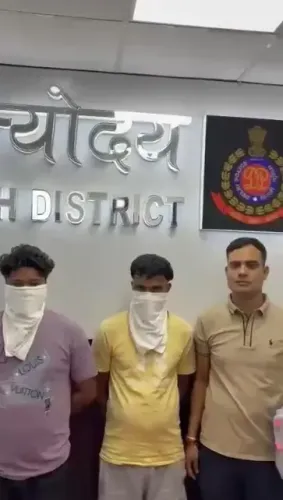
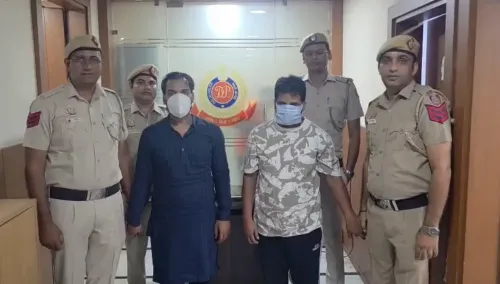
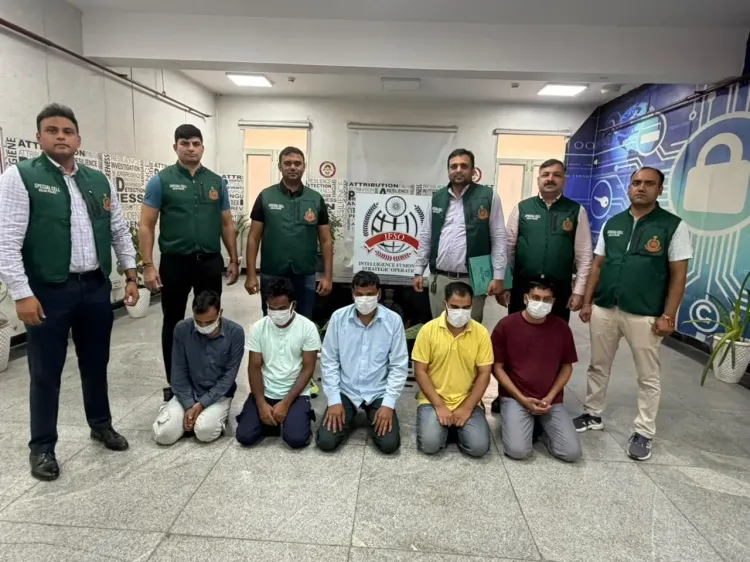
The Delhi Police's Intelligence Fusion and Strategic Operations (IFSO) unit on Friday, 27 November 2026, busted an organised cybercrime network linked to an international syndicate operating from Cambodia. Police arrested five people accused of procuring and supplying mule bank accounts to cybercriminals. Suspicious transactions worth about ₹2 crore were detected in one such account, and the entire amount was put on hold.
The operation also connected the network to two cybercrime cases registered in Andhra Pradesh. This suggests the gang's reach extended well beyond the national capital.
How the Probe Unfolded
According to Delhi Police, the investigation began during the probe into FIR No. 148/26, registered at the Special Cell police station. Police had received credible information about a gang allegedly providing bank accounts to facilitate cybercrime.
The gang members were reportedly staying at a hotel in the Dwarka area of Delhi. They were allegedly operating a bank account in the name of M/s MR Traders, held with HDFC Bank, to route proceeds from cyber fraud.
Acting on the input, a police team raided the hotel and apprehended the suspects. A fresh case, FIR No. 230/26, was then registered at the Special Cell police station.
The Mule Account Network
Investigators found that the accused were allegedly procuring mule bank accounts and supplying them to cybercriminals, who used them to receive and transfer money obtained through fraud. These accounts were reportedly operated on behalf of cybercrime handlers to move and layer the proceeds through multiple banking channels.
Through prompt intervention and coordination between the IFSO team and HDFC Bank officials, the full sum of approximately ₹2 crore found in the mule account was put on hold.
Police also identified seven Telegram channels allegedly used to buy and sell mule bank accounts. Investigators said this points to an organised network that supplies banking credentials to cybercriminals.
OTP-Forwarding App Found
An examination of a mobile phone led police to a suspicious application named 'SMS TOOLS'. The app had been configured to automatically forward incoming SMS messages, including one-time passwords (OTPs), to cybercriminals operating from abroad.
Police said this setup could allow remote access to bank accounts and enable further fraudulent transactions. Notably, the app removes the need for fraudsters to have physical access to a victim's or mule's phone.
Accused, Seizures and Cambodia Link
The five arrested accused have been identified as Anish Khan (31), Intekhab (27), Altaf Hussain (45), Md. Mahfuzar Rahman (41) and Izhar Alam (34).
Their mobile phones reportedly contained incriminating digital evidence, including Telegram chats, WhatsApp conversations and cryptocurrency transaction details. According to investigators, the accused were allegedly working as facilitators for an international cybercrime syndicate operating from Cambodia.
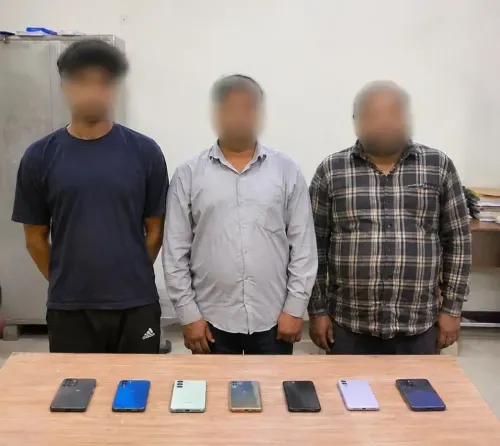
Police seized a cheque book belonging to M/s MR Traders and six mobile phones containing digital evidence.
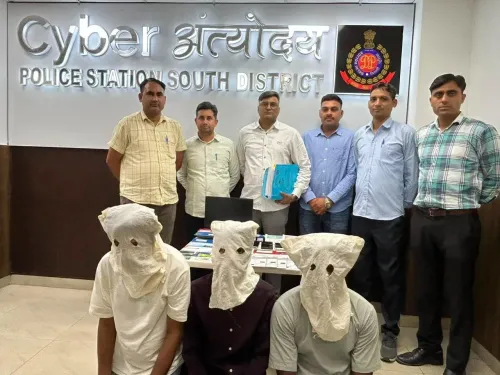
The operation was carried out by an IFSO team comprising Inspector Satish Kumar and Head Constables Rajesh and Manoj Kumar. It was supervised by ACP Vivekanand Jha and DCP Gaurav Tyagi.
This comes amid growing scrutiny of cross-border cyber fraud networks that depend on domestic mule accounts to launder money. Further investigation is underway, and police are expected to trace the wider chain of handlers and beneficiaries linked to the syndicate.
Point of View
Indian SIMs and Indian facilitators. Freezing ₹2 crore is a rare recovery, but seven Telegram channels openly trading accounts show that the mule market is industrialised, not incidental. Unless banks tighten KYC on shell trading firms and platforms act on such channels, every bust will remain a single cut into a supply chain that regrows overnight.
NationPress
27 Nov 2026
Frequently Asked Questions
What did the Delhi Police IFSO unit bust on 27 November 2026?
It busted an organised cybercrime network linked to an international syndicate operating from Cambodia. Five people were arrested for allegedly procuring and supplying mule bank accounts to cybercriminals.
How much money was frozen in the Delhi Police cybercrime operation?
Suspicious transactions of approximately ₹2 crore were detected in a mule bank account and the entire amount was put on hold. This was done through coordination between the IFSO team and HDFC Bank officials.
What is the 'SMS TOOLS' app found by police?
It is a suspicious application configured to automatically forward incoming SMS messages, including OTPs, to cybercriminals abroad. Police said this could enable remote access to bank accounts and further fraudulent transactions.
Who are the accused arrested in the Cambodia-linked cyber fraud case?
The accused are Anish Khan (31), Intekhab (27), Altaf Hussain (45), Md. Mahfuzar Rahman (41) and Izhar Alam (34). They were reportedly staying at a hotel in Dwarka, Delhi.
What is a mule bank account?
A mule bank account is an account used to receive and transfer money obtained through fraud, often on behalf of hidden handlers. In this case, police said such accounts were used to move and layer cyber fraud proceeds through multiple banking channels.