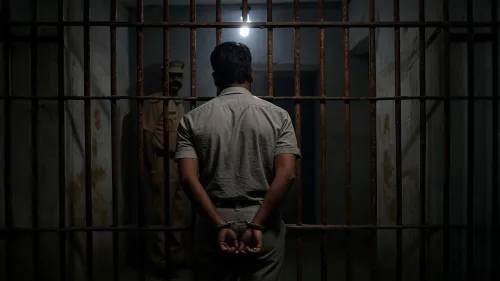
Delhi Police arrest 11 in Cambodia-linked digital arrest fraud, ₹7.25 crore loss averted

Synopsis
Delhi Police's IFSO unit cracked an international 'digital arrest' syndicate with Cambodia links in a single operation — arresting 11 people, freezing ₹1.96 crore, and uncovering a network tied to ₹73 crore in fraud across 78 NCRP complaints nationwide. The syndicate used Telegram channels, cryptocurrency commissions, and mule accounts to funnel money out of India.
Key Takeaways
Delhi Police IFSO arrested 11 cyber criminals on 13 October 2026 , busting a syndicate linked to Cambodia and other South-East Asian countries.
A potential loss of ₹7.25 crore through 'digital arrest' scams was prevented; ₹1.96 crore frozen in HDFC Bank and SBI accounts.
The case was initiated following a complaint by retired government scientist Pradeep Kumar Das , who was defrauded of ₹1.25 crore .
Handlers allegedly received commissions in USDT (Tether) cryptocurrency and operated through seven Telegram channels to sell mule bank accounts.
Digital evidence links the accused to 78 NCRP complaints across multiple states, with a total fraud value of ₹73 crore .
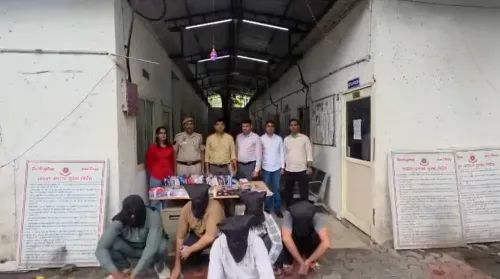
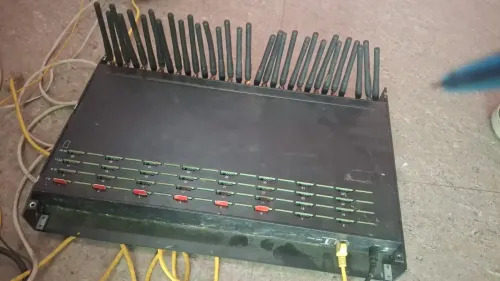
Six mobile phones and a cheque book from an HDFC Bank account linked to MR Traders were seized as evidence.
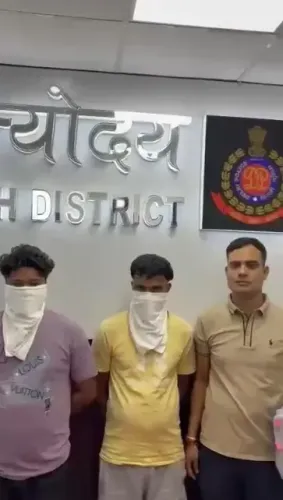
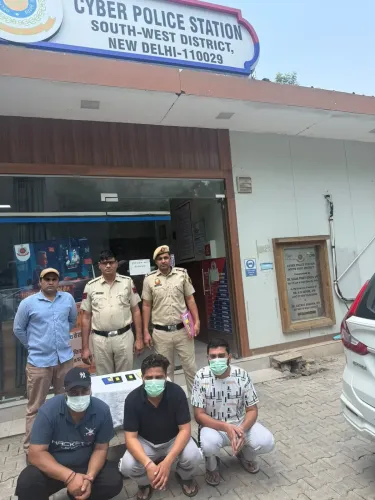
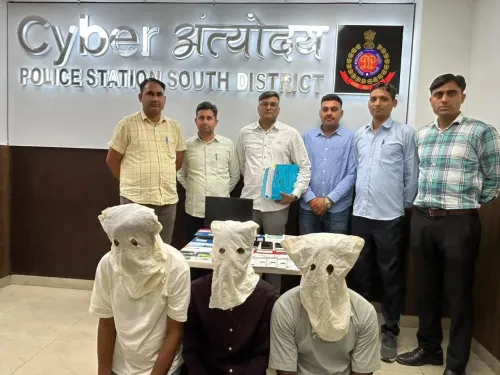
Delhi Police's Intelligence Fusion and Strategic Operations (IFSO) unit arrested 11 cyber criminals on 13 October 2026, dismantling an international syndicate allegedly operating in coordination with gangs based in Cambodia and other South-East Asian countries. The operation prevented a potential loss of ₹7.25 crore through 'digital arrest' scams and resulted in a freeze on ₹1.96 crore held across HDFC Bank and SBI accounts linked to fraud.
How the Syndicate Operated
The probe was triggered by a complaint filed by Pradeep Kumar Das, 69, a retired Scientist 'F' and Director at the Ministry of Electronics and Information Technology, who reported a 'digital arrest' fraud worth ₹1.25 crore. Investigators traced the network to a hotel and a flat in Sector-7, Dwarka, and to a mobile number linked to an HDFC Bank account held by a firm called MR Traders.
The key handler was identified as Anish Khan, a resident of Etah, Uttar Pradesh, who allegedly communicated with foreign-based operators via Telegram. According to investigators, Khan operated on a commission of 5.5 per cent, which he reportedly received in USDT (Tether) cryptocurrency before converting the proceeds into Indian rupees through various crypto exchanges.
Key Accused and Their Roles
Among the others arrested were Mahfuzar Rahman and Izhar Alam from West Bengal, Altaf Hussain from Jammu & Kashmir, and Intekhab from Muzaffarnagar, Uttar Pradesh. A second case linked to the network was traced to Anil Sagu alias Krishna, 31, from village Dabri in Hanumangarh district, Rajasthan, arrested in connection with a case registered by the Special Cell.
Sagu allegedly collected commission in USDT and distributed it among associates while maintaining contact with foreign handlers through Telegram. Additional accused included Neeraj Kumar Mittal from Meerut, Kanwar Pal (an account introducer in Meerut), Saif Ali Khan from Gajraula, UP, Ranbir from Rampur district, Shimla, and Prabhat Rai alias Ashutosh from Mangolpuri, Delhi.
Scale of the Fraud Network
Police seized six mobile phones containing WhatsApp and Telegram chat histories, as well as cryptocurrency transaction records. Investigators identified seven Telegram channels used to buy and sell 'mule' bank accounts. Analysis of the digital evidence linked the accused to 78 complaints filed on the National Cybercrime Reporting Portal (NCRP) across multiple states, with the total amount involved in those complaints standing at ₹73 crore, according to the police statement.
The cheque book of bank account number 50200099629024 maintained with HDFC Bank in the name of MR Traders was also recovered during the operation.
Wider Investigation and What Comes Next
Deputy Commissioner of Police, IFSO Unit, Gaurav Tyagi confirmed that cybercrime cases spread across Andhra Pradesh and West Bengal, among other states, have been linked to this network. This operation is part of a broader national push to dismantle Cambodia-based cyber fraud rings that have increasingly targeted Indian citizens with elaborate impersonation and 'digital arrest' schemes.
Notably, 'digital arrest' frauds — in which victims are falsely told they are under investigation by agencies such as the CBI or Narcotics Control Bureau and must stay on a video call — have surged across India in recent years, prompting warnings from the Reserve Bank of India (RBI) and the Ministry of Home Affairs. Further investigation in this case is ongoing, and police have not ruled out additional arrests.
Point of View
Cryptocurrency payouts in USDT, and dedicated Telegram channels for mule-account trading suggest a supply chain, not a gang. The Cambodia connection is not incidental — South-East Asian cyber parks operating with near-impunity have become the back-end infrastructure for India-targeted scams. What the ₹73 crore NCRP figure also reveals is an under-reported epidemic: for every complaint that reaches a portal, many more victims — particularly elderly or less digitally literate citizens — likely stay silent. The policy gap is in cross-border enforcement; arrests of domestic mule operators, while necessary, do not dismantle the foreign command layer.
NationPress
13 Oct 2026
Frequently Asked Questions
What is a 'digital arrest' scam?
A 'digital arrest' scam involves fraudsters impersonating law-enforcement or government officials — such as CBI or Narcotics Control Bureau officers — and falsely telling victims they are under criminal investigation. Victims are coerced into staying on a video call and are pressured to transfer large sums of money to 'clear' the fabricated charges.
How much money was involved in the Delhi Police cybercrime bust?
Delhi Police prevented a potential loss of ₹7.25 crore and froze ₹1.96 crore in HDFC Bank and SBI accounts. Analysis of digital evidence further linked the accused to 78 NCRP complaints across multiple states, with the total fraud amount in those complaints amounting to ₹73 crore.
Who was the complainant that triggered the investigation?
The probe was initiated after Pradeep Kumar Das , a 69-year-old retired Scientist 'F' and Director at the Ministry of Electronics and Information Technology, filed a complaint about being defrauded of ₹1.25 crore through a 'digital arrest' scheme.
How did the syndicate move money out of India?
According to investigators, the handlers received commissions in USDT (Tether), a cryptocurrency, and subsequently converted the funds into Indian rupees through various cryptocurrency exchanges. The network also used mule bank accounts traded via seven identified Telegram channels.
Are more arrests expected in this case?
Police have confirmed that further investigation is ongoing. The network's foreign handlers, based in Cambodia and other South-East Asian countries, remain at large, and investigators have not ruled out additional domestic arrests as they continue to analyse digital evidence.