Iran says air defences forced US F-16 out near Strait of Hormuz
Synopsis
Iran says it fired warning shots that forced a US F-16 away from its airspace near the Strait of Hormuz. It has also called its airspace a red line. A day earlier, a drone attack in Kuwait killed two Italians, and Tehran has rushed to deny any role, offering a joint probe with Kuwait and Italy.
Key Takeaways
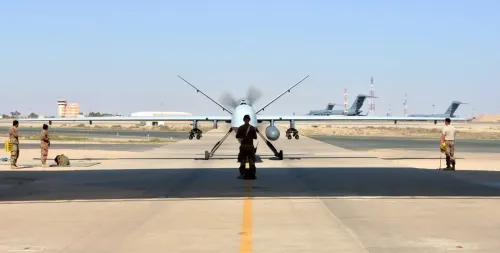
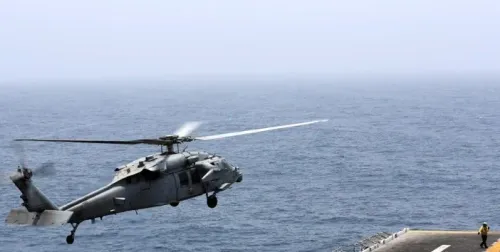
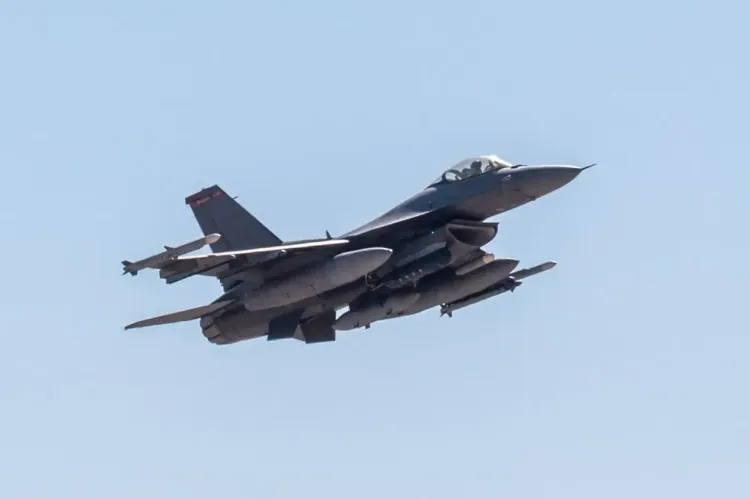
The IRGC said on 27 November 2026 that its air defences forced a US F-16 to leave Iran's southern airspace near Hengam Island .
The IRGC said its aerospace force fired warning shots and the jet left with a “harsh manoeuvre.” The jet was reportedly providing air cover for vessels the IRGC accused of violating Strait of Hormuz maritime rules.
Tehran called its airspace a red line and warned of a “decisive” response to further incursions.
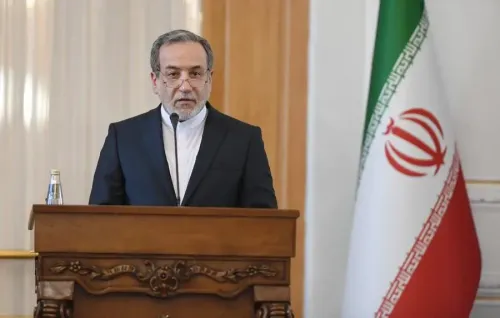
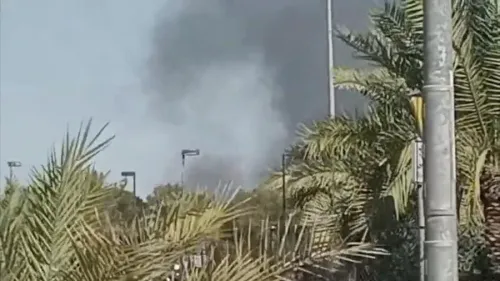
Foreign Minister Seyed Abbas Araghchi denied Iranian involvement in a Kuwait drone attack that killed two Italians .
Araghchi offered a joint investigation with Kuwait and Italy in calls with their foreign ministers.
Iran's Islamic Revolutionary Guard Corps (IRGC) said on Friday, 27 November 2026, that its air defence systems forced a US F-16 Fighting Falcon to change course and move away from Iran's southern airspace near Hengam Island. The IRGC said its aerospace force fired warning shots as the jet approached while providing air cover for vessels it accused of breaking maritime rules in the Strait of Hormuz.
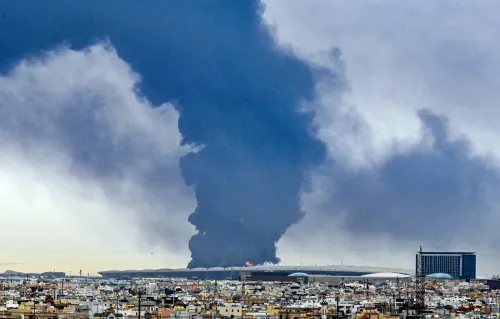
Separately, Iranian Foreign Minister Seyed Abbas Araghchi denied any Iranian role in a drone attack in Kuwait on Thursday that killed two Italians, and offered to join an investigation with Kuwait and Italy.
What the IRGC Claimed
According to a statement published on the IRGC's official news outlet, Sepah News, the fighter jet approached Iranian airspace southeast of Hengam Island. The IRGC said the aircraft was escorting and providing air cover for vessels it described as “violating” maritime regulations.
The statement said the aircraft changed course with a “harsh manoeuvre” and moved away after the IRGC's aerospace force fired warning shots. It described Iran's air defence systems as “modern and advanced.” The US account of the encounter was not part of the IRGC statement, and the Iranian claims could not be independently verified.
Tehran's Warning to Washington
The IRGC said any attempt to circumvent regulations governing maritime traffic in the Strait of Hormuz was “unacceptable.” It added that continued violations could result in heavier losses for those involved and for the military forces supporting them, according to reports.
The force also warned US military commanders that Iranian airspace was a red line for the country's armed forces. It said any further attempt by US fighter jets to violate that airspace would be met with a “decisive” air defence response.
Notably, the incident centres on the Strait of Hormuz, a narrow waterway that serves as one of the world's most important shipping routes for energy cargoes. Any confrontation there tends to draw close attention from global markets and governments, including India, which relies heavily on Gulf energy supplies.
Araghchi Denies Role in Kuwait Drone Attack
Araghchi made his remarks in separate phone calls with Kuwait's Foreign Minister Sheikh Jarrah Jaber Al-Ahmad Al-Sabah and Italy's Foreign Minister Antonio Tajani.
In the calls, the Iranian foreign minister said Iran “had no role or involvement whatsoever in the occurrence of this event.” He said Tehran was prepared to conduct a joint investigation with Kuwait and Italy to examine the details of the incident, identify its origin and determine the parties involved.
Araghchi also expressed regret to his Kuwaiti counterpart over the casualties and damage caused by the attack.
What Happens Next
The two developments came within a day of each other. Tehran is publicly threatening a forceful military response over its airspace and maritime rules, while also trying to distance itself from a deadly attack in a neighbouring Gulf state.
Responses from Washington, Kuwait and Rome, and any movement towards the joint probe Araghchi has offered, will show whether tensions in the Gulf ease or harden in the coming days.
Point of View
And Washington's version will matter before anyone treats the 'harsh manoeuvre' narrative as fact. For India, which depends heavily on energy that moves through Hormuz, even a contested near-miss is a reminder of how exposed its supply lines are to US-Iran friction. The real risk lies with ships and escorts operating at close range under conflicting rules, where one misjudged warning shot could escalate quickly.
NationPress
27 Nov 2026
Frequently Asked Questions
What did Iran say about the US F-16 incident?
Iran's IRGC said on 27 November 2026 that its air defences forced a US F-16 Fighting Falcon to change course and leave Iran's southern airspace near Hengam Island after warning shots were fired. The claim was made in a statement on the IRGC's outlet Sepah News.
Why was the US F-16 near Iranian airspace?
According to the IRGC, the jet was escorting and providing air cover for vessels it said were violating maritime regulations in the Strait of Hormuz. This is Iran's account and has not been independently verified.
What warning did the IRGC issue to the US?
The IRGC said Iranian airspace is a red line and that any further attempt by US fighter jets to violate it would be met with a 'decisive' air defence response. It also warned that continued maritime violations could lead to heavier losses.
Did Iran carry out the drone attack in Kuwait?
Iranian Foreign Minister Seyed Abbas Araghchi said Iran had no role or involvement whatsoever in the drone attack that killed two Italians in Kuwait. He offered a joint investigation with Kuwait and Italy.
Who did Araghchi speak to about the Kuwait attack?
Araghchi held separate phone calls with Kuwait's Foreign Minister Sheikh Jarrah Jaber Al-Ahmad Al-Sabah and Italy's Foreign Minister Antonio Tajani. He also expressed regret to his Kuwaiti counterpart over the casualties and damage.