Iran's IRGC intercepts 3 US drones over southern airspace, Qeshm Island struck
Synopsis
The US has reportedly been running a secret campaign of limited strikes on Iran for weeks — and Tehran just publicly confirmed three American drones were intercepted in its southern airspace, including an MQ-9 Reaper near the Strait of Hormuz. With Trump saying there's 'no rush' on military decisions and Iran's FM warning of a 'far more bitter' response if strikes continue, the region is on a knife's edge.
Key Takeaways
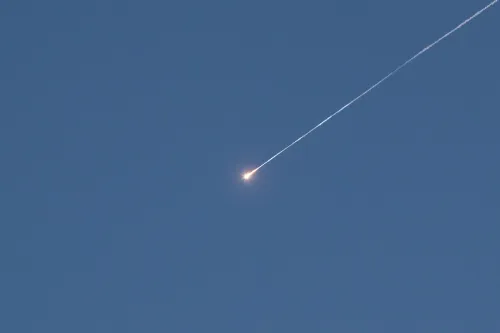
Iran's IRGC says it intercepted three US drones in southern airspace on Monday, 3 November 2026 .
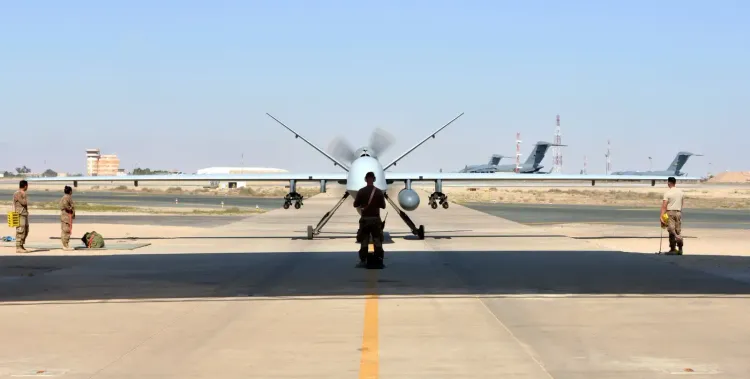
Two drones were identified as MQM-170 Outlaw UAVs downed over Qeshm Island ; the third was an MQ-9 Reaper shot down east of the Strait of Hormuz .
Reports citing US officials say Washington has been conducting covert limited strikes against Iran for several weeks, framed as defensive operations.
President Donald Trump said he is 'in no rush' to decide on resuming major military action, while noting Iran had been 'crippled financially'.
Iranian Foreign Minister Seyed Abbas Araghchi warned further US escalation would draw a 'far more bitter and severe' response.
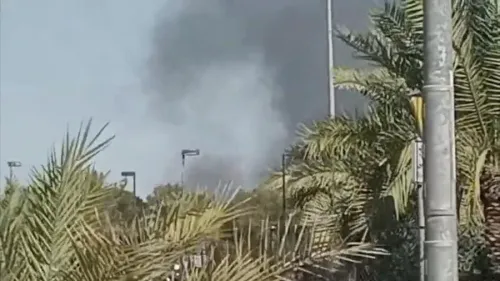
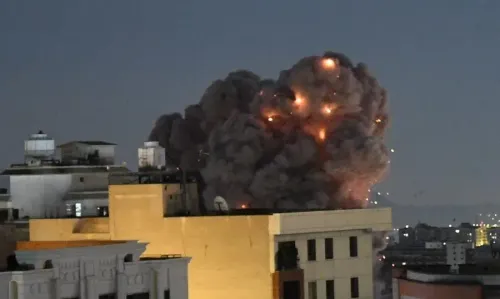
Fresh explosions of unknown origin were reported on Qeshm Island and heard in Bandar Abbas early Tuesday.
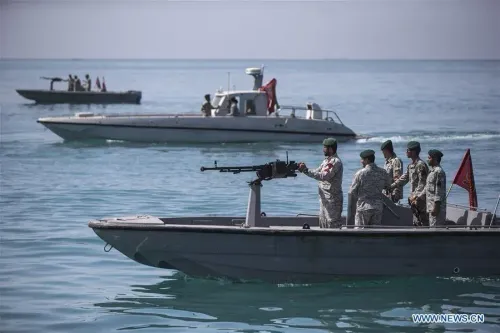
Iran's Islamic Revolutionary Guard Corps (IRGC) announced late Monday, 3 November 2026 that its air defence systems had intercepted three US drones in the country's southern airspace, as reports emerged of fresh American strikes on the strategically vital Qeshm Island in the Strait of Hormuz. The incident marks a significant escalation in what is reportedly a covert US military campaign against Iran that has been underway for several weeks.
What the IRGC Said
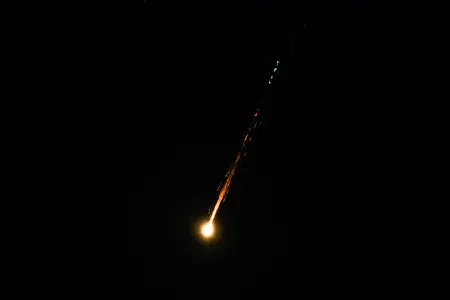
The IRGC identified two of the intercepted unmanned aerial vehicles as MQM-170 Outlaw drones, which it said were brought down over Qeshm Island. The third was identified as an MQ-9 Reaper, reportedly shot down in waters east of the Strait of Hormuz. No immediate US response to the IRGC's claims was made public.
US Strikes: A Secret Campaign
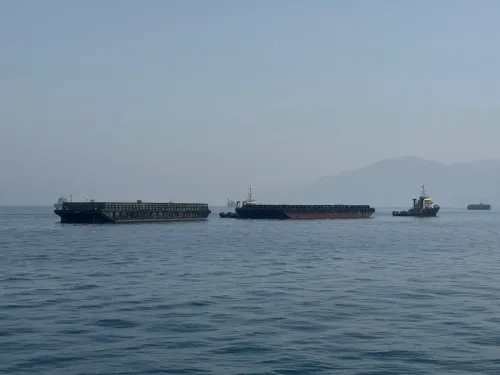
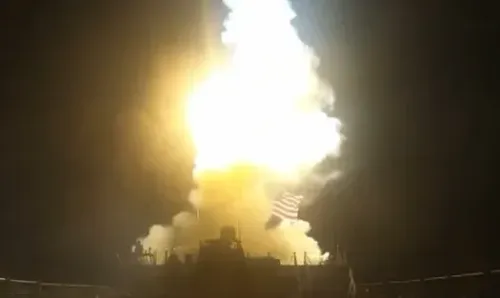
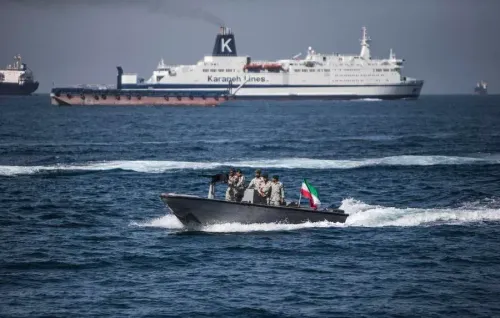
According to a report citing US officials, the United States attacked Iran's strategic Qeshm Island on Monday as part of what officials described as a series of limited, undisclosed strikes carried out over recent weeks. Some US officials characterised the operations as defensive in nature — aimed at preventing Iran from freely targeting commercial vessels transiting the Strait of Hormuz, one of the world's most critical shipping chokepoints through which roughly 20% of global oil trade passes.
Notably, unlike earlier phases of the conflict, Washington has deliberately refrained from publicly announcing the strikes. One US official was quoted as saying the campaign was kept under wraps to avoid signalling any intention of resuming large-scale combat operations. Explosions were also reportedly visible on social media around Qeshm Island on Monday.
Trump's Remarks on Iran
US President Donald Trump, in a phone interview with Axios on Monday, struck a measured but pointed tone. 'One way or the other, we will do something, but there is no rush. We crippled them financially. They have no money, no gasoline and their people are getting very tired of it,' he said. Trump added that he was 'in no rush' to decide whether to resume full-scale military action against Iran, suggesting the current strategy of limited, covert pressure remains in play.
Iran's Diplomatic Warning
Iranian Foreign Minister Seyed Abbas Araghchi said diplomatic efforts had intensified but issued a stark warning: further US military escalation would draw a 'far more bitter and severe' response, according to reports from Chinese state media. The dual-track posture — diplomatic outreach alongside military deterrence — reflects Tehran's attempt to keep negotiating leverage intact while signalling resolve.
Fresh Explosions Reported
Several explosions of unknown origin were reported by Iranian media early Tuesday on Qeshm Island. The blasts were also heard by residents on the nearby Hengam Island and in the port city of Bandar Abbas, according to Iran's semi-official Fars news agency. The cause of the Tuesday explosions had not been officially confirmed at the time of reporting.
With diplomatic talks continuing even as covert military pressure mounts, the situation in the Strait of Hormuz region remains volatile — and any further escalation risks broader consequences for global energy markets and regional stability.
Point of View
Deliberate US policy of covert military pressure on Iran running parallel to diplomatic talks. Washington's choice to keep the strikes secret is a calculated gamble: escalate without triggering a formal war footing, while Trump dangles a diplomatic deal. But covert operations rarely stay covert, and Tehran's public disclosure of the interceptions signals it will not absorb strikes silently. The Strait of Hormuz is not merely a military theatre — roughly one-fifth of the world's oil transits it, and a miscalculation here would hit energy markets globally, including India, which depends heavily on Gulf crude.
NationPress
3 Nov 2026
Frequently Asked Questions
What did Iran's IRGC claim about the US drones?
The IRGC said on 3 November 2026 that its air defence systems intercepted three US drones in Iran's southern airspace — two MQM-170 Outlaw drones over Qeshm Island and one MQ-9 Reaper east of the Strait of Hormuz. No official US confirmation or denial had been issued at the time of reporting.
Why is the US reportedly conducting covert strikes on Iran?
According to reports citing US officials, the limited strikes are framed as defensive operations intended to prevent Iran from freely attacking commercial vessels in the Strait of Hormuz. Washington has deliberately kept the campaign undisclosed to avoid signalling any intent to resume full-scale military operations.
What did President Trump say about military action against Iran?
In a phone interview with Axios on Monday, President Trump said he was 'in no rush' to decide whether to resume major military action, adding that Iran had been 'crippled financially' with 'no money, no gasoline.' He nonetheless left the door open, saying 'one way or the other, we will do something.'
How did Iran respond diplomatically?
Iranian Foreign Minister Seyed Abbas Araghchi said diplomatic efforts had intensified but warned that any further US military escalation would draw a 'far more bitter and severe' response. Tehran appears to be pursuing simultaneous diplomatic and deterrence tracks.
Why does the Strait of Hormuz matter globally?
The Strait of Hormuz is one of the world's most critical shipping chokepoints, through which approximately 20% of global oil trade passes. Any sustained military conflict in the area risks major disruptions to energy supplies, with significant consequences for oil-importing countries including India.