Iran's IRGC seizes US Dive-LD drone sub in Strait of Hormuz
Synopsis
Iran's IRGC has seized a US Dive-LD unmanned submarine at the Strait of Hormuz — the same day it claims to have downed a US MQ-9 Reaper drone. The US military acknowledged a drone 'malfunction' but stayed silent on the capture. With the June MoU's 60-day negotiation window already expired, this dual incident could be the flashpoint that buries any remaining diplomatic path.
Key Takeaways
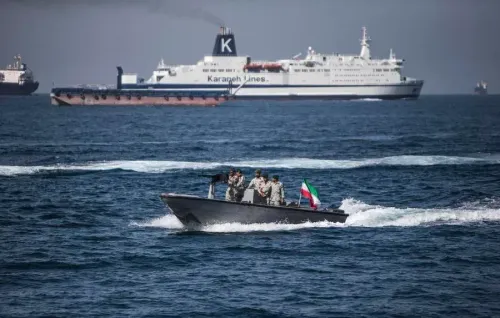
Iran's IRGC navy announced the capture of a US Dive-LD unmanned submarine at the entrance of the Strait of Hormuz on 9 September .
The IRGC separately claimed its air defence systems shot down a US MQ-9 Reaper drone over the Strait of Hormuz on the same day.
The US military acknowledged a drone 'malfunction' during a regional survey but did not confirm or deny the seizure.
Iranian President Masoud Pezeshkian vowed continued resistance 'until the aggressors are brought to complete regret' in a post on X .
A US-Iran MoU signed on 18 June set a 60-day negotiation deadline that expired on 17 August ; talks remain unresolved.
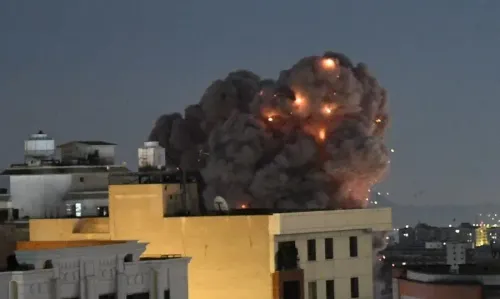
The incident follows joint US-Israel strikes on Tehran on 28 February and Iran's subsequent missile and drone counterattacks.
Iran's Islamic Revolutionary Guard Corps (IRGC) navy announced on Tuesday, 9 September that its forces captured one of the US Army's most advanced unmanned submarines at the entrance of the Strait of Hormuz, in what it described as a complex intelligence and operational mission. The seized vessel was identified as a Dive-LD unmanned underwater vehicle, which the IRGC characterised as equipped with the world's most modern subsurface technology.
What the IRGC Announced
According to a statement published on the IRGC's official news outlet, Sepah News, the unmanned underwater vehicle was apprehended in a coordinated operation at the mouth of the Strait of Hormuz. The IRGC said images of the captured submersible would be released within hours of the announcement. In a separate statement issued the same day, the IRGC also claimed its air defence systems had shot down a US MQ-9 Reaper drone over the Strait of Hormuz.
The US Military's Response
Following the IRGC's announcement, the US military issued a statement acknowledging that one of its underwater drones had 'malfunctioned' more than a day earlier during a survey of regional waters. Notably, the US statement did not address whether the device had been seized by Iranian forces, leaving the two accounts in direct tension. The US military's use of 'malfunction' rather than 'capture' signals a deliberate effort to manage the diplomatic optics of the incident.
Iran's President Weighs In
Iranian President Masoud Pezeshkian addressed the broader confrontation in a post on social media platform X on Tuesday, striking a defiant but measured tone. 'The Islamic Republic of Iran has always been opposed to war and considered the preservation of the people's interests and ensuring the (West Asia) region's security to lie in refraining from warmongering,' he wrote. He added: 'However, just as it has courageously risen to defend against aggression up to this day, Iran will continue this resistance with strength until the aggressors are brought to complete regret, and will remain the guardian of the rights of the great Iranian people.'
Background: Escalation Since February
The drone seizure comes against a backdrop of sharply deteriorating US-Iran relations. On 28 February, Israel and the United States launched joint strikes on Tehran and other Iranian cities, triggering retaliatory waves of Iranian missile and drone attacks on Israeli and US targets across the region. Iran simultaneously tightened its grip on the Strait of Hormuz — a chokepoint through which roughly 20% of global oil supply transits.
A subsequent diplomatic effort produced a memorandum of understanding (MoU) signed by Washington and Tehran on 18 June, under which both sides were to conclude negotiations within 60 days — a deadline that lapsed on 17 August. The fate of those talks remains unclear, according to reports, with the latest incident likely to further complicate any resumption of dialogue.
Strategic Significance of the Strait of Hormuz
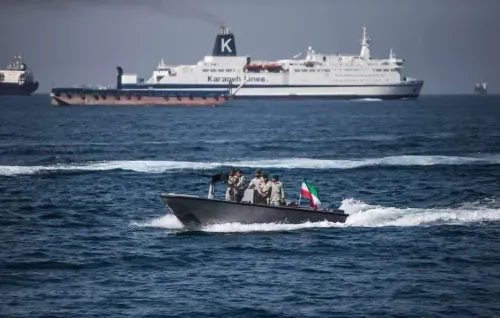
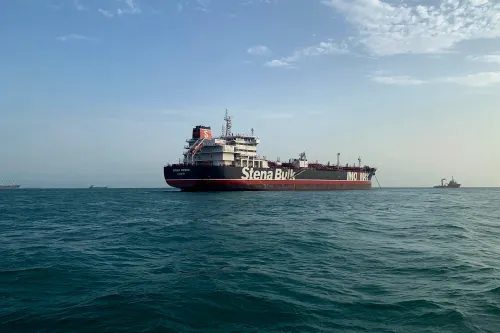
The Strait of Hormuz is among the world's most strategically sensitive waterways, connecting the Persian Gulf to the Gulf of Oman. Iran's repeated assertions of control over the strait — including drone interceptions and now a submarine seizure — represent a sustained pressure campaign on US naval operations in the region. This is not the first time the IRGC has seized or harassed US unmanned assets in the area; similar incidents have occurred multiple times since 2019, each time raising the risk of unintended escalation.
Point of View
The Strait of Hormuz is operating without a safety net.
NationPress
24 Oct 2026
Frequently Asked Questions
What did Iran's IRGC seize in the Strait of Hormuz?
Iran's IRGC navy reportedly seized a US Dive-LD unmanned underwater vehicle at the entrance of the Strait of Hormuz on 9 September, describing it as one of the most advanced subsurface drones in the US arsenal. The IRGC said images of the captured submersible would be released shortly after the announcement.
How did the US military respond to the IRGC's claim?
The US military acknowledged that one of its underwater drones had 'malfunctioned' during a survey of regional waters more than a day before the IRGC announcement, but did not confirm or deny that the device had been captured by Iranian forces. The discrepancy between the two accounts has not been resolved.
What did Iranian President Masoud Pezeshkian say?
President Masoud Pezeshkian posted on social media platform X that Iran has always opposed war but will 'continue this resistance with strength until the aggressors are brought to complete regret.' He also reaffirmed Iran's commitment to regional security and the rights of the Iranian people.
What is the background to the current US-Iran tensions?
On 28 February, the United States and Israel launched joint strikes on Tehran and other Iranian cities. Iran responded with waves of missile and drone attacks on US and Israeli targets and tightened control over the Strait of Hormuz. A subsequent MoU signed on 18 June set a 60-day window for final negotiations, which expired on 17 August without a resolution.
Why is the Strait of Hormuz strategically important?
The Strait of Hormuz is a narrow waterway connecting the Persian Gulf to the Gulf of Oman, through which roughly 20% of global oil supply passes. Iran's ability to threaten or restrict passage through the strait gives it significant leverage in any confrontation with the United States or its allies.