Delhi Police deny CJP Parliament march on July 20, prohibitory orders in force

Synopsis
Delhi Police have flatly refused the Cockroach Janata Party permission to march to Parliament on July 20, invoking Section 163 BNS prohibitory orders citywide. With CJP founder Abhijit Dipke now on hunger strike after Sonam Wangchuk's hospitalisation, and the party vowing to march anyway, a direct confrontation with security forces looks imminent as Parliament convenes.
Key Takeaways
Delhi Police refused permission for the CJP's Parliament march scheduled for 20 July .
DCP Sachin Sharma confirmed no application was filed and no permission granted.
Section 163 of the BNS prohibits assembly of five or more persons outside the designated Jantar Mantar protest zone.
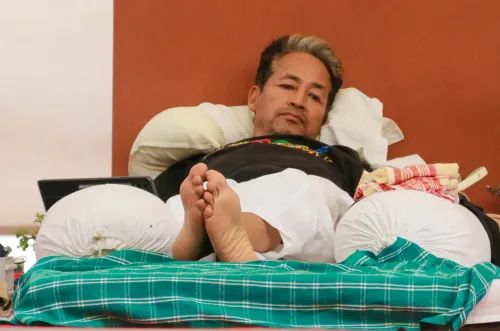
Activist Sonam Wangchuk was hospitalised after a prolonged hunger strike; CJP founder Abhijit Dipke has taken over the fast.
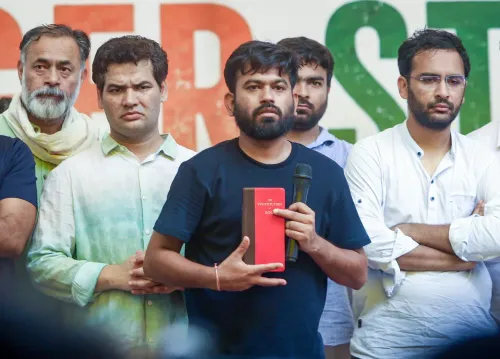
The CJP has been protesting since 20 June and has publicly declared it will march regardless of the police order.
Additional security forces have been deployed around the Parliament complex ahead of the new session.
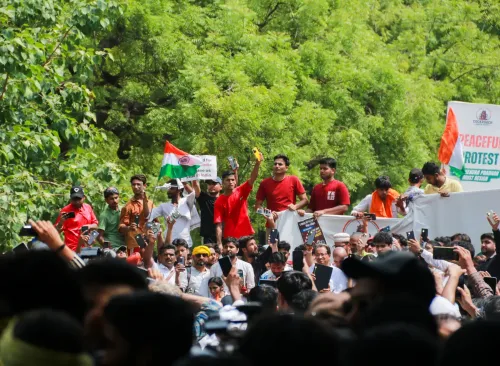
Delhi Police on 19 July refused permission for the Cockroach Janata Party (CJP) to march from Jantar Mantar to Parliament on 20 July, citing active prohibitory orders under Section 163 of the Bharatiya Nyaya Sanhita (BNS) across the national capital. The decision comes as the CJP's protest, running since 20 June, enters its second month and Parliament prepares to convene its new session.
What the Police Said
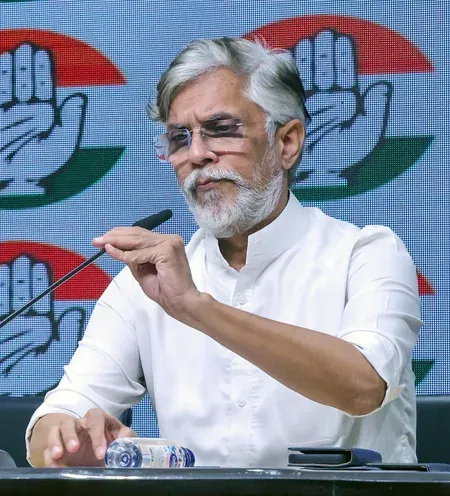
New Delhi Deputy Commissioner of Police (DCP) Sachin Sharma stated categorically that the CJP had neither applied for nor received any authorisation to march towards Parliament. 'No permission has been granted for the Cockroach Janata Party's alleged march to Parliament on July 20,' Sharma said.
The DCP underscored that Section 163 of the BNS currently restricts protests exclusively to the designated site at Jantar Mantar, and only with prior approval from authorities. Under the prohibitory orders, assembly of five or more persons, protest marches, or any form of demonstration are strictly prohibited outside the notified protest zone.
Security Arrangements Around Parliament
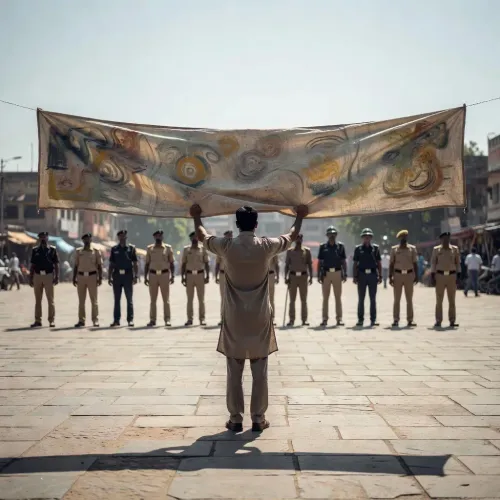
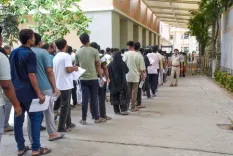
With the Parliament session set to begin on Monday, Delhi Police has deployed additional forces around key areas, including the Parliament complex, to prevent any untoward incident. Authorities have made elaborate arrangements to safeguard public safety, protect vital government installations, and ensure the smooth functioning of the House.
DCP Sharma warned that strict legal action would be taken against anyone found violating the prohibitory orders. 'The Delhi Police appeals to all citizens to respect the law, refrain from participating in any unauthorised gatherings or marches, and cooperate in maintaining public peace and safety,' he added.
Protest Background and Escalation
The CJP has been agitating at Jantar Mantar since 20 June, pressing a range of demands through its prolonged sit-in. The situation intensified recently when prominent activist Sonam Wangchuk, who had been on a prolonged hunger strike at the site, was hospitalised by police. Following his hospitalisation, CJP founder Abhijit Dipke took over the hunger strike, further escalating the party's agitation.
Despite the police refusal, the CJP has publicly announced its intention to proceed with the march on Monday, setting the stage for a potential confrontation with security forces.
Impact on the Capital
The planned march has raised concerns about law and order disturbances in New Delhi at a sensitive time. Officials have urged protesters to remain within the permitted zone and avoid confrontation. Citizens have been advised to steer clear of sensitive areas and cooperate with police directives.
This standoff underscores the ongoing tension between the constitutional right to protest and the state's mandate to maintain public order — particularly during active parliamentary sessions. How authorities and the CJP navigate the next 24 hours will set the tone for the protest's next phase.
Point of View
Giving the state a procedural shield against what would otherwise be a visible protest at the legislature's doorstep. The hospitalisation of Sonam Wangchuk and the baton-passing of the hunger strike to CJP founder Abhijit Dipke suggest the agitation is deepening, not dissipating. What is notable is the CJP's public defiance despite the refusal — a calculated move to force either a confrontation or a concession on camera. The broader question mainstream coverage is sidestepping: what are the CJP's specific demands, and have they received any formal government response in the nearly month-long protest? Without that context, the standoff risks being reported as a law-and-order story when it may be a governance accountability story.
NationPress
20 Jul 2026
Frequently Asked Questions
Why did Delhi Police refuse permission for the CJP's Parliament march?
Delhi Police refused permission because the CJP had neither applied for nor received authorisation for the march. Section 163 of the Bharatiya Nyaya Sanhita (BNS) is currently in force, restricting protests to the designated Jantar Mantar site and prohibiting assemblies of five or more persons elsewhere in the city.
Who is the Cockroach Janata Party and what are they protesting about?
The Cockroach Janata Party (CJP) is a political party that has been staging a sit-in protest at Jantar Mantar in New Delhi since 20 June. The party's leadership, including founder Abhijit Dipke, has been pressing various demands through the ongoing agitation, which has now entered its second month.
What happened to Sonam Wangchuk during the protest?
Prominent activist Sonam Wangchuk, who was on a prolonged hunger strike at the Jantar Mantar protest site, was recently hospitalised by police. Following his hospitalisation, CJP founder Abhijit Dipke took over the hunger strike, intensifying the party's agitation.
What are the prohibitory orders currently in place in Delhi?
Under Section 163 of the Bharatiya Nyaya Sanhita (BNS), assembly of five or more persons, protest marches, and demonstrations are strictly prohibited at any location in Delhi other than the notified protest site at Jantar Mantar. Violations will attract strict legal action, according to Delhi Police.
Will the CJP still attempt to march to Parliament on July 20?
Yes. Despite the police refusal, the CJP has publicly announced its intention to march from Jantar Mantar to Parliament on Monday, 20 July. Security forces have been placed on high alert and additional personnel deployed around the Parliament complex in anticipation.