SC to hear PIL on paper leak probe reforms, NEET case in focus
Synopsis
A PIL before the Supreme Court is pushing for a sweeping overhaul of how India investigates paper leaks — demanding standardised procedures, asset confiscation, and consecutive sentencing. Filed in the wake of the NEET leak, it exposes a critical gap: a 2024 anti-cheating law is already on the books, yet masterminds continue to evade accountability.
Key Takeaways
The Supreme Court is set to hear a PIL on 21 July seeking a uniform framework for paper leak investigations across India.
The petition, filed by advocate Ashwini Kumar Upadhyay under Article 32 , references the alleged NEET paper leak of 3 May .
It seeks confiscation of properties of perpetrators and invocation of anti-corruption, money laundering, and benami property laws.
The plea argues the Public Examinations (Prevention of Unfair Means) Act, 2024 has failed to deter leaks since coming into force in June 2024 .
It demands consecutive — not concurrent — sentencing in paper leak cases and reconsideration of Deception Detection Test restrictions.
As an alternative, the petition seeks a Law Commission of India report on international investigation practices within three months .
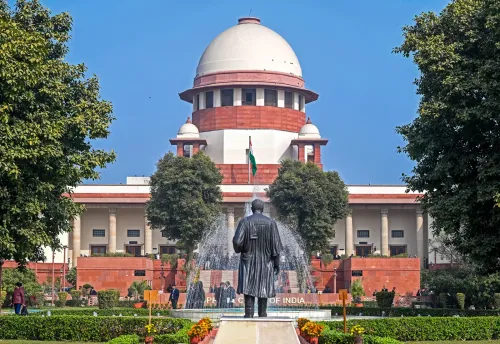
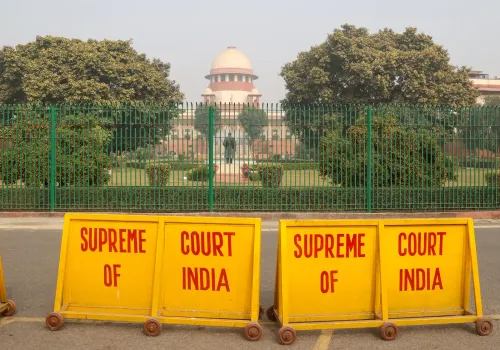
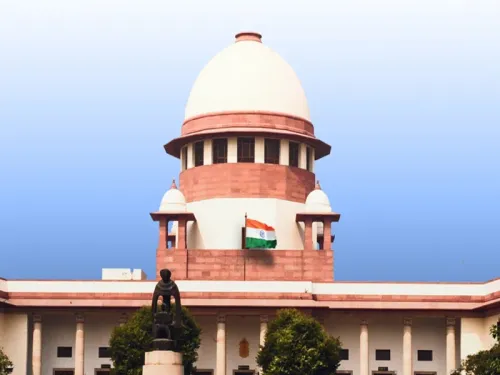
The Supreme Court of India is scheduled to hear on Tuesday, 21 July a public interest litigation (PIL) seeking directions to the Centre and state governments to establish a uniform mechanism — including a Standard Questionnaire and a Special Investigation Procedure — for time-bound investigation and speedy trial of paper leak cases nationwide. The matter is listed before a Bench of Justice PS Narasimha and Justice Alok Aradhe, as per the apex court's official cause list.
What the PIL Demands
The petition has been filed by advocate Ashwini Kumar Upadhyay under Article 32 of the Constitution. It seeks a court-mandated framework compelling the Centre and states to evolve standardised investigation protocols and ensure expeditious prosecution of those found responsible for paper leaks.
The plea also demands assessment and confiscation of both movable and immovable properties of perpetrators and family members allegedly complicit in such crimes. It further seeks invocation of anti-corruption, money laundering, benami property, and black money laws wherever applicable.
NEET Leak and Systemic Failures
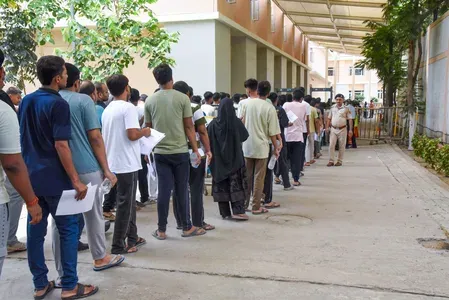
The petition specifically references the alleged NEET paper leak of 3 May, arguing that the incident exposed deep systemic deficiencies in tackling examination-related offences. According to the plea, affected candidates continue to suffer financial hardship, loss of educational and employment opportunities, and psychological trauma.
The PIL contends that despite the Public Examinations (Prevention of Unfair Means) Act, 2024 being in force since June 2024, paper leak incidents have persisted and the actual masterminds have largely evaded investigation. This, it argues, constitutes a violation of fundamental rights guaranteed under Articles 14, 16, and 21 of the Constitution.
Key Gaps in the Existing Legal Framework
The petition highlights several structural deficiencies in the current legal apparatus: the absence of time-bound investigation and trial mandates, the lack of a Standard Investigation Procedure (SIP), failure to trace proceeds of crime and benami assets, non-confiscation of illegally acquired properties, and the non-use of Deception Detection Tests (DDTs) to identify masterminds.
Notably, the plea seeks a declaration that sentences awarded in paper leak cases should run consecutively rather than concurrently, arguing this would create a stronger deterrent. It also calls for reconsideration of restrictions on DDTs laid down in the Selvi vs State of Karnataka judgment, citing scientific advancements since that ruling.
Law Commission Route Sought as Alternative
As an alternative relief, the petition requests a direction to the Law Commission of India to examine international practices in paper leak investigations and submit a report within three months. Industry observers and student groups have long argued that India's examination integrity framework lags behind global standards.
The Supreme Court's hearing on Tuesday is expected to set the procedural direction for this case. How the Bench responds to the breadth of reliefs sought — spanning criminal procedure reform to asset confiscation — will signal whether the court intends to treat paper leak governance as a systemic constitutional issue.
Point of View
DDT reform, sentencing restructuring, and a Law Commission referral into a single petition risks judicial pushback on scope. But the core argument — that the Public Examinations Act of 2024 has already been outpaced by the very crimes it was meant to deter — is hard to dismiss. India's examination integrity failures are not a law-drafting problem; they are an enforcement and accountability problem. Until investigative agencies are held to time-bound standards with measurable outcomes, fresh legislation will continue to lag behind organised leak networks.
NationPress
21 Jul 2026
Frequently Asked Questions
What is the PIL before the Supreme Court on paper leak cases?
It is a public interest litigation filed by advocate Ashwini Kumar Upadhyay under Article 32 of the Constitution, seeking court directions to the Centre and state governments to create a standardised investigation and trial framework for paper leak cases. The petition specifically cites the alleged NEET paper leak of 3 May as evidence of systemic failure.
Why is the existing law considered insufficient by the petitioner?
The petition argues that the Public Examinations (Prevention of Unfair Means) Act, 2024 — in force since June 2024 — has not stopped paper leaks, and that masterminds have largely evaded investigation. It points to the absence of time-bound probe mandates, lack of asset confiscation, and no Standard Investigation Procedure as critical gaps.
What new measures does the PIL seek?
The PIL seeks a Standard Questionnaire and Special Investigation Procedure for all paper leak cases, confiscation of perpetrators' properties under anti-corruption and benami laws, consecutive sentencing instead of concurrent, and the use of Deception Detection Tests to identify masterminds.
Which judges will hear the PIL on 21 July?
A Bench comprising Justice PS Narasimha and Justice Alok Aradhe is listed to hear the matter on 21 July, as per the Supreme Court's official cause list.
What is the alternative relief sought in the petition?
If the court does not grant the primary reliefs, the petition requests a direction to the Law Commission of India to study international practices in paper leak investigations and submit a report within three months.