Delhi riots case: SC may hear Khalid, Imam bail pleas Nov 25
Synopsis
Umar Khalid and Sharjeel Imam's challenges to the rejection of their bail pleas are tentatively listed before the Supreme Court on 25 November. The petitions revisit a dispute over the court's earlier conditions for renewed applications and arguments about prolonged custody and trial delay.
Key Takeaways
Umar Khalid and Sharjeel Imam 's separate petitions are tentatively listed before the Supreme Court on 25 November 2026 .
The petitions challenge the Delhi High Court 's 30 September rejection of their appeals against denial of regular bail.
On 5 January 2026 , the Supreme Court allowed renewed applications after examination of prosecution protected witnesses or one year , whichever came first.
The alleged conspiracy case relates to violence in northeast Delhi in February 2020 , when 53 people were killed.
The Supreme Court granted six months of interim bail to co-accused Tasleem Ahmed and Khalid Saifi .
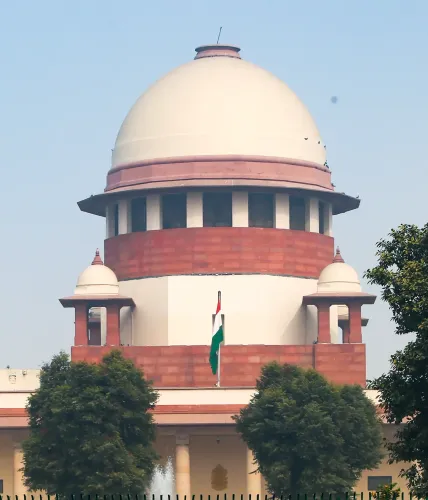
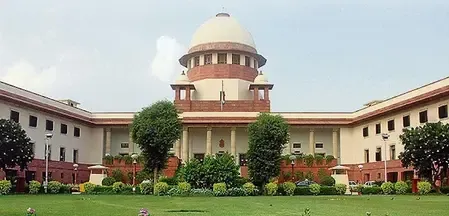
The Supreme Court is likely to hear the Delhi riots case bail petitions of jailed student activists Umar Khalid and Sharjeel Imam on 25 November 2026, according to the court's online case status. The separate petitions challenge the Delhi High Court's rejection of their fresh bail pleas in the alleged larger conspiracy case linked to the 2020 violence in northeast Delhi.
Both matters are shown as pending and tentatively listed for Wednesday. A tentative listing does not establish that a hearing or a decision on bail will take place that day.
Petitions challenge High Court ruling
Khalid's petition is registered as SLP (Crl.) No. 22342/2026 and was filed through advocate N. Sai Vinod. Imam's petition, registered as SLP (Crl.) No. 22241/2026, was filed through advocate Fauzia Shakil.
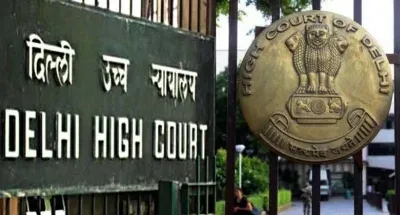
They have challenged a common judgment delivered on 30 September by a Delhi High Court division bench of Justices Prathiba M. Singh and Dinesh Bhatt. The bench rejected their appeals against the trial court's 4 July 2026 orders refusing regular bail.
Earlier Supreme Court conditions
On 5 January 2026, the Supreme Court declined bail to both men but allowed them to renew their applications after the prosecution's protected witnesses had been examined or after one year from its order, whichever came first.
The Delhi High Court held that a subordinate court could not expand or modify the specific conditions attached to that liberty. It also said the Supreme Court had distinguished the alleged roles of Khalid and Imam from those of co-accused who had received bail.
The High Court held that the cases of Tasleem Ahmed and Khalid Saifi could not be treated at par with theirs. It noted that the earlier apex court judgment had categorised the alleged roles of Khalid and Imam as those of “masterminds” and “core conspirators”.
Arguments over custody and trial delay
The activists returned to the trial court in June 2026, citing subsequent developments and the additional time they had spent in custody. Those developments included Supreme Court observations on prolonged incarceration and trial delay in another case under the Unlawful Activities (Prevention) Act (UAPA), as well as interim bail granted to co-accused Tasleem Ahmed and Khalid Saifi.
After the trial court rejected their applications, they argued before the High Court that the trial was unlikely to conclude soon and that their continued incarceration without substantial progress warranted a fresh look at bail. The High Court nevertheless held that it was bound by the specific liberty granted by the Supreme Court.
Background and next steps
The case concerns an alleged larger conspiracy behind communal violence in northeast Delhi in February 2020, in which 53 people were killed and several others injured. Khalid and Imam are among several people booked under the UAPA and other penal provisions, and have remained in custody for several years.
On 5 January 2026, the Supreme Court granted bail to five co-accused: Gulfisha Fatima, Meeran Haider, Shifa Ur Rehman, Mohd. Saleem Khan and Shadab Ahmed. More recently, it granted six months of interim bail to Tasleem Ahmed and Khalid Saifi.
The court also referred to a larger bench the question of whether prolonged incarceration and trial delay can justify bail despite the restrictions under Section 43D(5) of the UAPA. The next step in the separate petitions will depend on whether the tentative 25 November listing proceeds.
Point of View
But so does clarity about how courts should respond when proceedings take years. A clear ruling on the applicable standards would serve both judicial consistency and accountability without prejudging the allegations.
NationPress
23 Nov 2026
Frequently Asked Questions
When will Umar Khalid and Sharjeel Imam's bail pleas be heard?
Their separate petitions are tentatively listed before the Supreme Court on 25 November 2026. The court's online status shows both matters as pending.
What are Khalid and Imam challenging in the Supreme Court?
They are challenging the Delhi High Court judgment rejecting their appeals against the trial court's refusal of regular bail. The petitions concern the alleged larger conspiracy case linked to the 2020 northeast Delhi riots.
Why did the Delhi High Court reject their appeals?
The High Court held that a subordinate court could not modify the specific conditions under which the Supreme Court had allowed the men to renew their bail applications. It also distinguished their alleged roles from those of co-accused who had received bail.
What conditions did the Supreme Court set for fresh bail applications?
The Supreme Court allowed the applications to be renewed after the prosecution's protected witnesses were examined or one year after its 5 January 2026 order, whichever came first.
Why do trial delays matter in the bail dispute?
Khalid and Imam argued that prolonged custody and lack of substantial trial progress warranted reconsideration of bail. Separately, the Supreme Court has referred a question about prolonged incarceration, trial delay and UAPA bail restrictions to a larger bench.