Delhi to pilot 2 hydrogen fuel cell buses under DTC-NTPC tie-up
Synopsis
Delhi is about to run hydrogen fuel cell buses on its streets — a first for a major Indian metro operating through a formal DTC-NTPC public-sector partnership. With an MoU in the works and a cost-sharing model already outlined, this pilot could set the template for hydrogen mobility across India's most polluted cities.
Key Takeaways
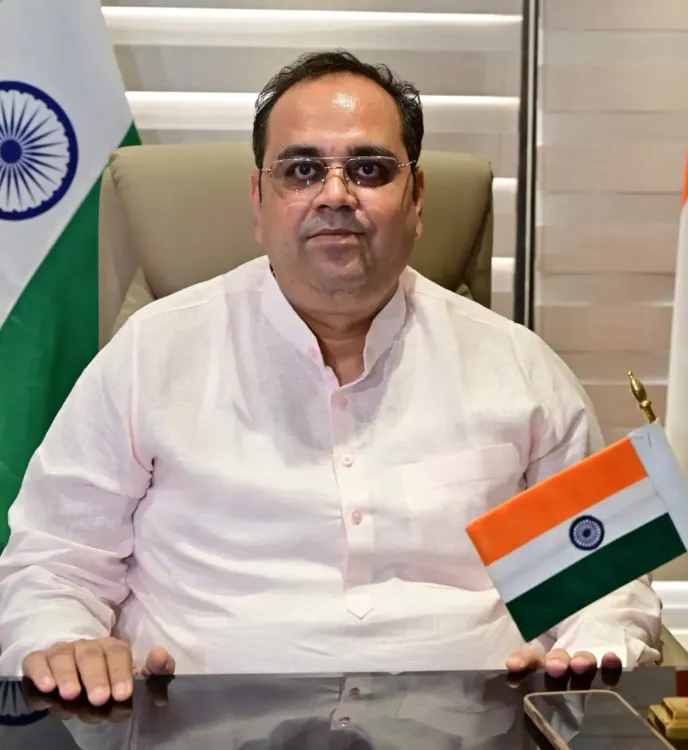
Delhi Transport Minister Pankaj Kumar Singh announced a hydrogen fuel cell bus pilot on 28 May .
Buses will operate under the Gross Cost Contract (GCC) model, with DTC handling deployment and NTPC providing CSR-based cost support beyond GCC rates.
A formal MoU between the Delhi Government, DTC, NTPC, and other stakeholders is being finalised before operations begin.
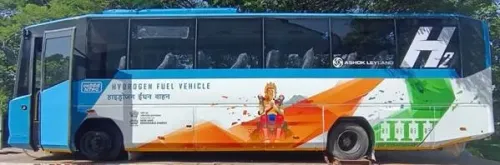
Hydrogen fuel cell buses produce zero tailpipe emissions and offer faster refuelling than battery-electric alternatives.
The initiative is among the first structured hydrogen transit pilots by an Indian state government through a public-sector partnership.
The Delhi government is set to launch a pilot run of hydrogen fuel cell buses under the Delhi Transport Corporation (DTC) in partnership with NTPC, as part of the capital's push toward zero-emission public transport. Delhi Transport Minister Pankaj Kumar Singh announced the initiative on 28 May, describing it as a key milestone in the city's clean mobility transition.
Key Developments
An initial deployment of hydrogen fuel cell buses is currently underway in coordination with NTPC. The buses are proposed to operate under the Gross Cost Contract (GCC) model, with DTC facilitating operational deployment. Operational expenditure at approved GCC rates will be borne by DTC, while costs beyond the GCC framework are being explored through NTPC's CSR support mechanism and other arrangements in consultation with the concerned agencies.
What the Government Said
'Delhi is steadily moving towards clean, future-ready public mobility solutions. Hydrogen fuel technology represents an important step in our journey towards sustainable and environmentally responsible transport systems,' said Minister Pankaj Kumar Singh.
He added: 'Through collaboration with organisations such as NTPC, we are exploring innovative pathways to introduce advanced zero-emission technologies that can strengthen Delhi's public transport network while contributing to cleaner air and a greener future.'
Operational and Financial Framework
The Delhi Government, DTC, NTPC, and other stakeholders are currently working to finalise operational modalities and a formal Memorandum of Understanding (MoU) to facilitate the commencement of hydrogen fuel cell bus operations in the National Capital. The proposed cost-sharing structure reflects a collaborative model where public transport infrastructure costs are partially offset through NTPC's corporate social responsibility commitments.
Why Hydrogen Buses Matter for Delhi
Hydrogen fuel cell buses produce zero tailpipe emissions, making them a compelling option for a city that routinely ranks among the world's most polluted capitals. Unlike battery-electric buses, hydrogen-powered vehicles offer faster refuelling times and longer operational range — advantages that could make them suitable for high-frequency DTC corridors. This initiative complements Delhi's ongoing transition, which already includes a large fleet of electric buses under the DTC network.
Notably, this is among the first structured attempts by an Indian state government to integrate hydrogen fuel cell technology into a mass urban transit system through a formal public-sector partnership. The outcome of this pilot could inform hydrogen mobility policy for other Indian metros grappling with air quality and fleet decarbonisation challenges.
What Comes Next
The MoU between the stakeholders is expected to be finalised before operations commence. Once signed, the pilot will test real-world performance, maintenance costs, and passenger experience — data that will be critical in deciding whether hydrogen buses are scaled up across Delhi's broader public transport network.
Point of View
With NTPC's CSR mechanism absorbing above-GCC costs, is an unusual financial construct that sidesteps the budget constraints that have stalled similar pilots elsewhere. The real question is whether the MoU, once signed, includes performance benchmarks and a credible scale-up trigger, or whether this remains a symbolic gesture toward green credibility. India's hydrogen mobility ambitions have so far been largely confined to policy documents; Delhi's pilot, if executed with rigour, could finally produce the operational data that moves the conversation forward.
NationPress
14 Oct 2026
Frequently Asked Questions
What is Delhi's hydrogen fuel cell bus pilot?
Delhi is launching a pilot deployment of hydrogen fuel cell buses under the Delhi Transport Corporation (DTC) in partnership with NTPC. The buses will operate on Delhi's public transport network under the Gross Cost Contract model, with an MoU between the stakeholders currently being finalised.
Who is funding the hydrogen bus initiative in Delhi?
Operational expenditure at approved GCC rates will be borne by DTC. Costs beyond the GCC framework are being explored through NTPC's CSR support mechanism and other arrangements in consultation with the concerned agencies.
Why are hydrogen fuel cell buses significant for Delhi?
Hydrogen fuel cell buses produce zero tailpipe emissions, which is particularly relevant for Delhi, one of the world's most polluted cities. They also offer faster refuelling and longer range compared to battery-electric buses, making them suitable for high-frequency transit corridors.
When will Delhi's hydrogen buses start operating?
Operations are expected to commence after the formal MoU between the Delhi Government, DTC, NTPC, and other stakeholders is finalised. No specific launch date has been announced yet.
How does this compare to Delhi's existing clean transport efforts?
Delhi already operates a large fleet of electric buses under DTC. The hydrogen bus pilot is an additional layer to the city's clean mobility transition, and is reportedly among the first structured hydrogen transit pilots by an Indian state government through a formal public-sector partnership.