IndianOil-DMRC hydrogen buses: India's green mobility push begins in Delhi
Synopsis
Two hydrogen fuel cell buses — emitting only water — are now running between Central Secretariat and Kartavya Bhavan in New Delhi, powered by green hydrogen from IOCL's Faridabad R&D centre. With 15 trial buses already deployed nationally and a 10 KTA green hydrogen plant under construction at Panipat, IndianOil is quietly building the infrastructure backbone for India's hydrogen mobility future.
Key Takeaways
IOCL and DMRC launched two hydrogen fuel cell buses in New Delhi on 15 May 2025 .
The buses operate on the Central Secretariat–Kartavya Bhavan corridor and emit only water.
Green hydrogen is sourced from IOCL's R&D centre in Faridabad .
IOCL has 15 hydrogen-powered buses under trial across India and is building a 10 KTA green hydrogen plant at Panipat .
India imports approximately 89 per cent of its crude oil; all 10 IOCL refineries are operating at over 100 per cent capacity despite global supply pressures.
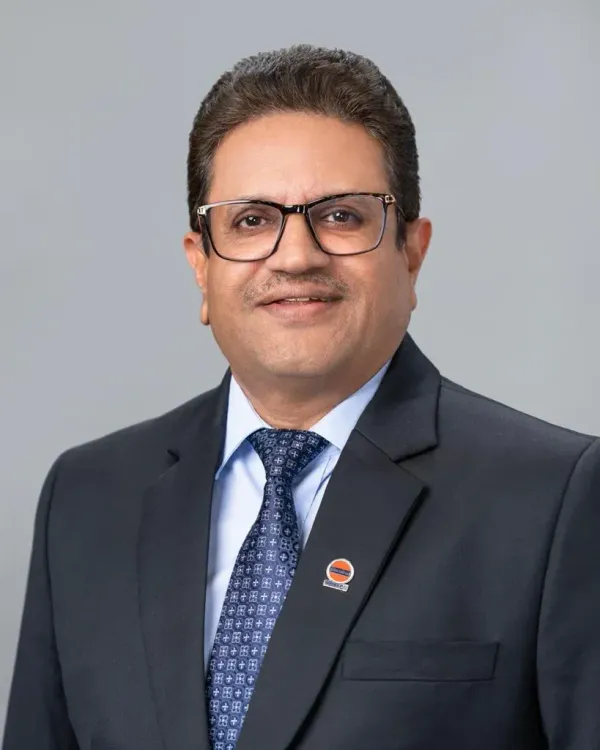
Indian Oil Corporation Limited (IOCL) and the Delhi Metro Rail Corporation (DMRC) have jointly launched two hydrogen fuel cell buses in New Delhi, marking a concrete step toward zero-emission public transport in India. The buses, handed over to DMRC on 15 May 2025, will operate on the Central Secretariat–Kartavya Bhavan corridor, according to IOCL Director (Refineries) Arvind Kumar.
What the Buses Do and How They Work
The hydrogen fuel cell buses emit only water as a byproduct, making them entirely pollution-free. Kumar explained that hydrogen is fed into the fuel cell, and the sole discharge is water — eliminating particulate matter, carbon dioxide, and other tailpipe pollutants entirely. The hydrogen powering these buses is green hydrogen produced at IOCL's Research and Development centre in Faridabad.
'Hydrogen-powered buses are a wonderful initiative for green and clean mobility. The hydrogen used in these buses is green hydrogen produced at our R&D centre in Faridabad,' Kumar said. He added: 'Hydrogen is used in the fuel cell, and the discharge is only water. So it is an environmentally friendly and zero-pollution scenario.'
IOCL's Broader Green Hydrogen Roadmap
IOCL currently operates 15 hydrogen-powered buses across various trial projects in India, with the two DMRC units the latest addition. The corporation is also developing a 10 KTA (kilo tonnes per annum) green hydrogen plant at its Panipat refinery, which is presently under fabrication. Kumar noted the plant will take time to commission but is intended to scale hydrogen's role in mobility solutions as technology and economics mature.
This comes amid India's accelerating push under the National Green Hydrogen Mission, which targets producing 5 million metric tonnes of green hydrogen annually by 2030. The IOCL-DMRC pilot is one of the few live deployments linking a state-run refiner directly to urban mass transit.
Energy Security Pressures and Refinery Stability
Kumar also addressed concerns over global crude oil supply disruptions linked to ongoing tensions in the Gulf region. He acknowledged that approximately 89 per cent of India's crude oil requirement is imported, creating persistent pressure on supply management. 'We have to continuously rebalance and re-navigate supply equations,' he said.
Despite these headwinds, Kumar assured that all 10 IOCL refineries are currently operating at over 100 per cent capacity, signalling operational resilience. India's energy strategy, he said, rests on three pillars: energy security, affordability, and sustainability — all of which must be balanced simultaneously.
Policy Alignment and What Comes Next
Kumar framed the hydrogen bus initiative as consistent with Prime Minister Narendra Modi's broader appeal for cleaner and fuel-efficient technologies. He indicated that more such deployments will follow as the technology matures and unit economics improve. 'Gradually more such initiatives will come,' he said.
With the Panipat green hydrogen plant under construction and 15 trial buses already on the road, IOCL's hydrogen mobility ecosystem is expanding — though it remains at a pilot scale for now. The pace of scale-up will depend on how quickly green hydrogen production costs fall relative to conventional fuels.
Point of View
Not a whitepaper. India's green hydrogen ambitions have largely lived in policy documents; putting fuel cell buses on a Delhi corridor, even a short one, creates an operational feedback loop that lab pilots cannot. The harder question is cost: green hydrogen remains several times more expensive than diesel per unit of energy, and the Panipat plant's timeline is vague. Without a credible cost-reduction trajectory and a disbursement mechanism that does not rely on perpetual subsidy, the 15-bus national trial risks staying a 15-bus national trial. India's 89 per cent crude import dependence makes the strategic case for hydrogen undeniable — the execution case still needs proof.
NationPress
23 Sept 2026
Frequently Asked Questions
What are the IndianOil-DMRC hydrogen fuel cell buses?
They are two zero-emission buses powered by green hydrogen, handed over by Indian Oil Corporation Limited to the Delhi Metro Rail Corporation on 15 May 2025. The buses run between Central Secretariat and Kartavya Bhavan in New Delhi and emit only water as a byproduct.
Where does the green hydrogen for the buses come from?
The green hydrogen is produced at IOCL's Research and Development centre in Faridabad. It is fed into the onboard fuel cell, which generates electricity to power the bus while releasing only water vapour.
How many hydrogen buses does IOCL operate across India?
IOCL currently has 15 hydrogen-powered buses under various trial projects across the country, with the two DMRC units being the latest addition to this fleet.
What is the IOCL Panipat green hydrogen plant?
IOCL is developing a 10 KTA (kilo tonnes per annum) green hydrogen production plant at its Panipat refinery. The plant is currently under fabrication and is intended to supply hydrogen for expanded mobility and industrial applications once commissioned.
How is India managing crude oil supply pressures amid Gulf tensions?
According to IOCL Director Arvind Kumar, India imports approximately 89 per cent of its crude oil requirement, creating constant supply-management pressure. He said IOCL continuously rebalances supply equations, and all 10 of its refineries are currently operating at over 100 per cent capacity despite global uncertainties.