Delhi vehicle entry curbs could hurt trade, CTI warns
Synopsis
Delhi's trade body says proposed vehicle entry curbs could multiply transport costs and disrupt supplies. CTI wants exemptions for essentials and support for vehicle owners, while backing measures to improve air quality.
Key Takeaways
CTI warned on 24 November about suggested BS-VI entry requirements and a gradual commercial vehicle ban in Delhi .
Brijesh Goyal said more than 20 lakh traders, entrepreneurs, transporters and consumers could be directly affected.
CTI estimated transport costs could rise two to three times if goods had to be transferred at border warehouses.
The organisation said more than 80% of goods entering Delhi arrive in BS-III and BS-IV vehicles.
CTI sought exemptions for essential goods, subsidies for BS-IV vehicle owners and a consultation-based roadmap.
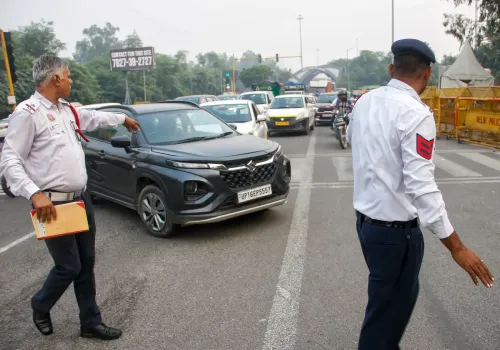
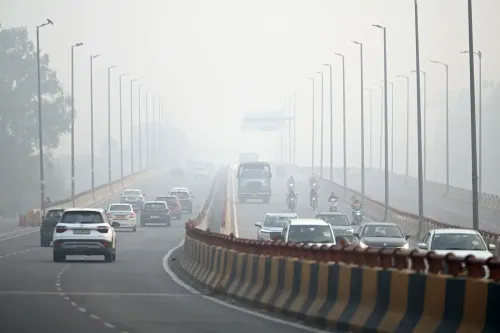
Proposed Delhi vehicle entry restrictions, including a suggestion to permit only BS-VI-compliant vehicles and gradually ban commercial vehicle entry, could disrupt trade and raise costs for consumers, the Chamber of Trade and Industry (CTI) warned on 24 November. The suggestions were discussed during an ongoing Supreme Court hearing on air pollution in Delhi-NCR; the source did not report a final decision on them.
CTI Chairman Brijesh Goyal said pollution control was essential but warned that restrictions introduced without adequate preparation could affect traders, transporters, businesses and households across the capital.
Trade body's concerns over vehicle restrictions
Goyal said more than 20 lakh traders, entrepreneurs, transporters and consumers could be directly affected. Including family members, the livelihoods of more than 50 lakh people could be impacted, he said.
Along with CTI General Secretary Ramesh Ahuja, he said the organisation supported cleaner air but stressed the importance of Delhi as a commercial hub for North India. “Stopping pollution is necessary, but not by killing businesses,” Goyal said.
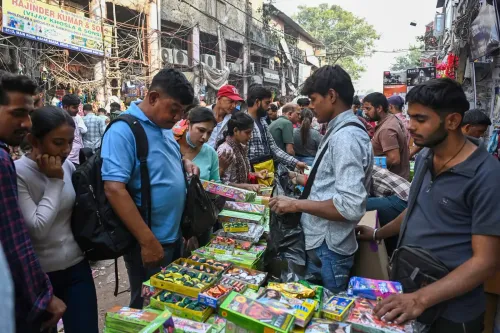
He said millions of tonnes of goods reach the capital daily, listing vegetables, fruit, milk, medicines, groceries, textiles, electronics, automobile parts and construction materials among the supplies. He warned that barring commercial vehicles would bring the city's trade to a standstill.
Costs and supply-chain risks
CTI estimated that transport costs could rise two to three times if goods had to be unloaded at border warehouses and moved into the city in smaller electric vehicles. It said loading, unloading, storage and electric vehicle transport costs could ultimately be passed on to traders and consumers.
The organisation also warned that four to six hours of delay during transshipment could affect supplies of perishable goods and medicines, potentially increasing prices and inconveniencing customers. These are the trade body's projections, not reported outcomes of an implemented restriction.
According to CTI, more than 80% of goods entering Delhi currently arrive in BS-III and BS-IV vehicles. It said many small transporters and tempo owners may be unable to afford replacement BS-VI vehicles, putting livelihoods at risk.
Industrial areas and wholesale markets
CTI cautioned that industries in Bawana, Narela, Okhla, Mayapuri, Jhilmil and Badarpur could shift to neighbouring areas, including Ghaziabad, Bahadurgarh, Manesar, Sonipat and Faridabad. Such a move could cost jobs in the capital, the organisation said.
It also identified Sadar Bazaar, Chandni Chowk, Khari Baoli, Bhagirath Palace, Gandhi Nagar and Kashmiri Gate as wholesale markets that could lose business to warehouses elsewhere in the National Capital Region.
The organisation pointed to what it described as inadequate warehouse and cold-storage capacity, electric vehicle fleets and charging infrastructure. It warned that, without preparations, e-commerce, courier services and construction could also be disrupted.
CTI's five demands
CTI sought a written roadmap prepared with traders and transporters, compensation and subsidies for BS-IV vehicle owners, and government-funded warehouses, cold storage and charging stations. It also called for Delhi-NCR to be treated as a single economic entity and for separate exemptions for essential goods.
Goyal urged authorities to hear traders and transporters before deciding, saying any decision would affect 20 lakh traders, more than 8 lakh transport workers and 2 crore Delhi residents. The trade body's submissions set out the safeguards it wants considered as the pollution hearing continues.
Point of View
But they need independent scrutiny alongside the potential pollution benefits of any restriction. A credible plan should disclose its evidence, protect essential supplies and give smaller operators a realistic transition path.
NationPress
24 Nov 2026
Frequently Asked Questions
What vehicle entry restrictions were discussed for Delhi?
Suggestions included allowing only BS-VI-compliant vehicles into Delhi and gradually banning commercial vehicle entry. They were discussed during the ongoing Supreme Court hearing on Delhi-NCR air pollution; the source did not report a final decision.
Why is CTI concerned about the proposed vehicle curbs?
CTI says the curbs could disrupt supplies, raise transport costs and affect businesses and transport workers. It estimates costs could increase two to three times if goods must be transferred at border warehouses.
Who could be affected by the proposed Delhi vehicle restrictions?
CTI says traders, transporters, industrial businesses and consumers could be affected. Chairman Brijesh Goyal said more than 20 lakh traders, entrepreneurs, transporters and consumers could be directly affected.
What has CTI demanded before restrictions are introduced?
CTI has called for a roadmap developed with traders and transporters, support for BS-IV vehicle owners and government-funded logistics infrastructure. It also wants Delhi-NCR treated as one economic entity and exemptions for essential goods.
When will the Delhi vehicle entry restrictions take effect?
No implementation date was reported in the source. The restrictions were described as suggestions discussed during an ongoing court hearing.