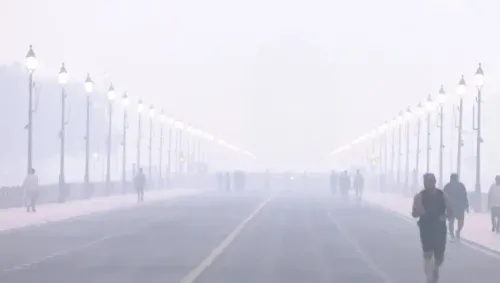
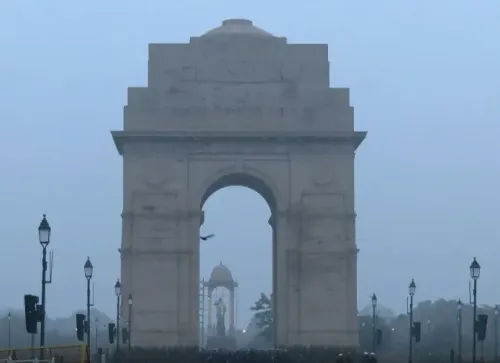
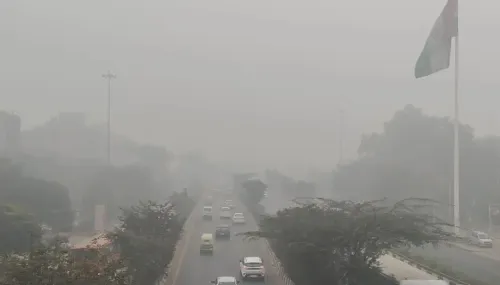
Delhi AQI hits 310 'very poor' as winter sets in; action plan enforced
Synopsis
Delhi's AQI has snapped back to 310 — 'very poor' — just days after rain briefly cleared the air, with Alipur hitting 382 and Chandni Chowk at 361. The timing is pointed: the Delhi government launched its Winter Action Plan the day before, collecting ₹68.4 lakh in penalties on day one and checking nearly 15,000 vehicles. The real test begins now, as temperatures fall and pollution typically deepens through December.
Key Takeaways
Delhi's overall AQI stood at 310 ('very poor') on 2 November 2026 , reversing gains made after last week's rainfall.
Alipur recorded the highest reading at 382 ; Chandni Chowk at 361 and North Campus, DU at 359 also topped the charts.
Delhi's Winter Action Plan came into effect on 1 November , with restrictions running until 28 February .
A construction and demolition ban is scheduled from 10 December to 20 January ; parking charges at MCD sites have been doubled.
Day-one enforcement yielded ₹68.4 lakh in penalties, with 15,000 vehicles checked and 1,539 turned back at border points.
Cyclone Murasu is approaching the Andhra Pradesh coast, creating a sharp weather contrast between northern and southern India.
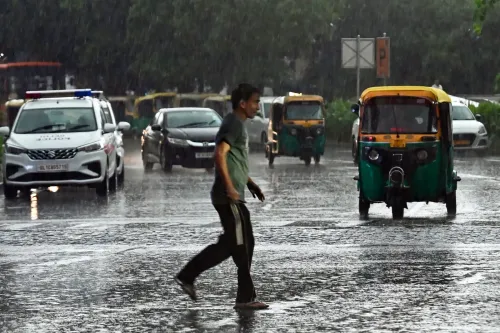
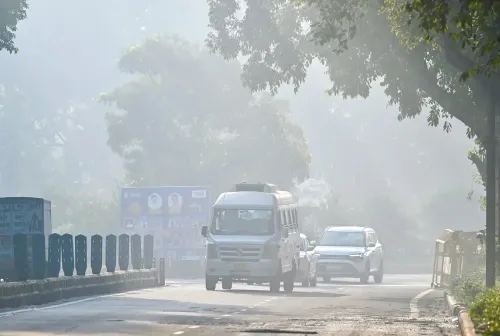
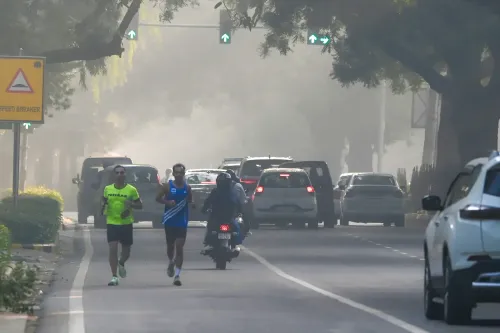
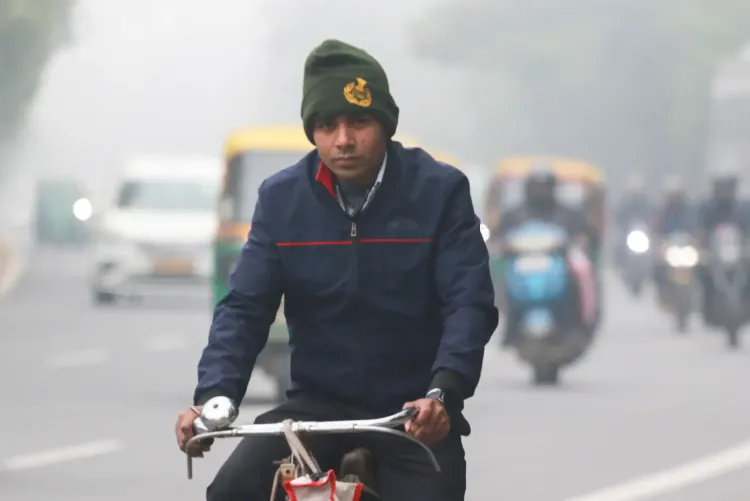
Delhi-NCR residents woke up to a wintry chill on Monday, 2 November 2026, as the Air Quality Index (AQI) across the national Capital slipped to the 'very poor' category, recording an overall reading of 310 — a sharp reversal after a brief respite brought by rainfall last week. Several monitoring stations across Delhi and its neighbouring areas logged pollution levels ranging from 'poor' to 'very poor'.
Station-wise AQI Readings
Among the worst-affected areas, Alipur recorded the highest AQI at 382, followed by Chandni Chowk at 361, North Campus, Delhi University at 359, Dwarka Sector-8 at 357, and Sirifort and Burari Crossing each at 354. NIH Narela logged 353, while Mandir Marg and Pusa both stood at 340. Other monitoring points including CRRI Mathura Road (334), Talkatora Garden (322), Nangloi (319), JNU (319), and Burari (313) also reported elevated readings.
Areas such as Ghoga (274), Vasundhara Enclave (273), Aya Nagar (288), Badarpur (258), Karala (256), Jharoda Kalan (237), and Chhawla (213) were in the 'poor' range.
Weather Outlook for Delhi and Northern India
According to the India Meteorological Department (IMD), Delhi is expected to experience a bright day with temperatures ranging between 17°C and 29°C. No rainfall warning has been issued for the Capital. Punjab and Haryana are also forecast to remain largely dry. This comes amid a sharp contrast in weather conditions across the country — while northern states are settling into cooler, pleasant weather, southern and eastern regions are bracing for heavy rainfall as Cyclone Murasu approaches the Andhra Pradesh coast. Winter conditions are also tightening their grip on Himalayan destinations, including Spiti, Ladakh, and Kedarnath.
Delhi's Winter Action Plan Kicks In
The Delhi government activated its Winter Action Plan from 1 November, introducing a set of fixed-term restrictions that will remain in force until 28 February. A complete ban on construction and demolition activities — barring specified exemptions — is scheduled from 10 December to 20 January. The plan targets vehicular emissions, dust control, and road traffic reduction during peak winter months.
To ease traffic congestion, the government has staggered office timings. Delhi government offices will now operate from 10 am to 6:30 pm, while Municipal Corporation of Delhi (MCD) offices will function from 8:30 am to 5 pm until 28 February. Parking charges at authorised municipal sites have also been doubled to discourage private vehicle use.
Day-One Enforcement: ₹68.4 Lakh in Penalties
On the first day of the Winter Action Plan's enforcement, authorities collected penalties and environmental compensation totalling ₹68.4 lakh. Enforcement teams inspected nearly 15,000 vehicles, turned back 1,539 at border checkpoints, and issued 566 challans for violations of Pollution Under Control Certificate (PUCC) norms. According to official data available up to 5 pm on Sunday, penalties included ₹56.6 lakh for PUCC violations, ₹2 lakh for vehicle entry restriction breaches, and ₹9.8 lakh in environmental compensation for dust-control norm violations at construction and demolition sites.
With pollution levels expected to worsen further as temperatures drop and wind speeds slow through November, Delhi's ability to enforce and sustain these measures will be closely watched.
Point of View
A rapid rebound to 'very poor' the moment conditions stabilise, and an enforcement blitz in the first days of November that historically struggles to hold momentum through December. The Winter Action Plan's staggered timings and doubled parking fees are demand-management tools at the margins — they do not address stubborn structural sources like biomass burning in neighbouring states, which the Centre and state governments have repeatedly failed to coordinate on. Day-one penalty numbers look impressive on paper, but the metric that matters is whether AQI readings in January 2026 are meaningfully lower than January 2025. They have not been, for several consecutive winters.
NationPress
2 Nov 2026
Frequently Asked Questions
What is Delhi's AQI today and why is it 'very poor'?
Delhi's overall AQI stood at 310 on 2 November 2026, placing it in the 'very poor' category. The deterioration follows a brief improvement caused by last week's rainfall; as skies cleared and wind speeds dropped with the onset of winter, pollution levels rebounded sharply across monitoring stations.
Which areas in Delhi have the worst air quality right now?
Alipur recorded the highest AQI at 382, followed by Chandni Chowk at 361, North Campus Delhi University at 359, Dwarka Sector-8 at 357, and Sirifort and Burari Crossing each at 354. Most monitoring stations across the city logged readings in the 'poor' to 'very poor' range.
What is Delhi's Winter Action Plan and what does it involve?
The Winter Action Plan is a set of fixed-term anti-pollution measures activated by the Delhi government from 1 November, running until 28 February. It includes a construction and demolition ban from 10 December to 20 January, staggered government office timings, doubled parking charges at MCD sites, and stepped-up vehicle emission enforcement.
How much was collected in penalties on the first day of the Winter Action Plan?
Authorities collected ₹68.4 lakh in penalties and environmental compensation on the plan's first day of enforcement. This included ₹56.6 lakh for PUCC violations, ₹9.8 lakh for dust-control norm breaches at construction sites, and ₹2 lakh for vehicle entry restriction violations; nearly 15,000 vehicles were checked.
What is Cyclone Murasu and how does it affect India's weather?
Cyclone Murasu is a weather system developing in the Bay of Bengal, expected to intensify before approaching the Andhra Pradesh coast. It is bringing heavy rainfall to southern and eastern India, creating a sharp contrast with northern India, which is experiencing dry, cool winter conditions.