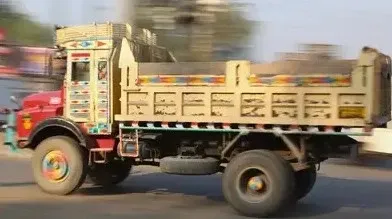
Delhi pollution curbs kick in: Non-BS-VI vehicle ban, 50% WFH till Jan 2027
Synopsis
Delhi's toughest winter pollution crackdown is now live — non-BS-VI out-of-state vehicles are banned, half the workforce must work from home, construction dust is outlawed, and parking fees are doubled. With AI-driven cameras watching every border point, the real test is whether this time the enforcement matches the ambition.
Key Takeaways
Delhi banned non- BS-VI vehicles registered outside the city from 1 November 2026 , with the restriction in force until 31 January 2027 .
A 50% work-from-home mandate applies to all government and private offices through 31 January 2027 ; essential services are exempt.
All dust-generating demolition and outdoor construction activities are banned; indoor finishing work may continue under strict dust-control norms.
Authorised parking fees across Delhi have been doubled from 1 November to 28 February ; DMRC lots are exempt.
Enforcement is backed by ANPR cameras and the AI-enabled ICCC ; the DPCC , Delhi Traffic Police , and MCD have all been directed to ensure strict compliance.
Chief Minister Rekha Gupta appealed to citizens and businesses on Saturday to follow the curbs voluntarily ahead of their coming into force.
New Delhi's winter anti-pollution regime came into force on Sunday, 1 November 2026, with a ban on non-BS-VI vehicles registered outside the city, a 50% work-from-home mandate for both government and private offices, and a halt on all dust-generating construction activity. The restrictions, which run until 31 January 2027, are among the most wide-ranging seasonal curbs the capital has enforced in recent years.
Vehicle Restrictions and Enforcement
Motor vehicles registered outside Delhi that conform to BS-IV or older emission standards are now barred from entering the National Capital. CNG and electric vehicles, along with ambulances, fire tenders, police vehicles, and other officially notified categories, are exempt from the ban.
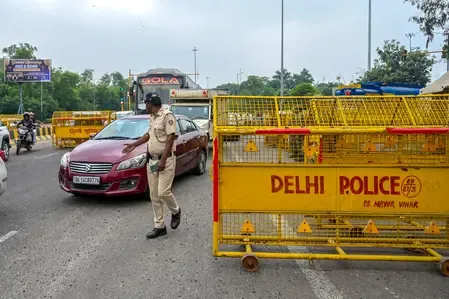
To enforce compliance, inspection drives have been intensified at multiple border entry points. The Delhi Pollution Control Committee (DPCC), Delhi Traffic Police, the Transport Department, and the Municipal Corporation of Delhi (MCD) have been directed to ensure strict implementation. Violations will be tracked through ANPR cameras and the AI-enabled Integrated Command and Control Centre (ICCC), with special enforcement teams instructed to act immediately on reported infractions.
Work-From-Home Mandate and Office Hours
From 1 November through 31 January 2027, a maximum of 50% physical attendance will be permitted in both government and private offices, with the remaining staff required to work from home. Essential and emergency services are exempt from this requirement.
To stagger traffic and reduce peak-hour congestion, MCD offices will operate from 8:30 am to 5 pm, while Delhi government offices will function from 10 am to 6:30 pm.
Construction Ban and Parking Fee Hike
All dust-generating demolition and outdoor civil construction activities stand banned for the duration. Essential public infrastructure projects may continue subject to prescribed conditions, and indoor finishing, plumbing, and electrical work can proceed provided dust-control standards are strictly observed.
In a parallel measure aimed at discouraging private vehicle use, parking fees at authorised lots across Delhi have been doubled from 1 November to 28 February. Parking lots owned and managed by the Delhi Metro Rail Corporation (DMRC) are exempt from the fee increase.
What the Chief Minister Said
Delhi Chief Minister Rekha Gupta on Saturday appealed to citizens, vehicle owners, construction agencies, resident welfare associations (RWAs), and commercial establishments to comply with the new restrictions. She confirmed that the Environment Department had completed all necessary preparations for implementation and that concerned agencies had been placed on enforcement footing.
The Environment Department stated that the objective of the curbs is to tackle pollution directly at its source, with continuous monitoring feeding into the ICCC dashboard in real time.
Why These Measures Matter
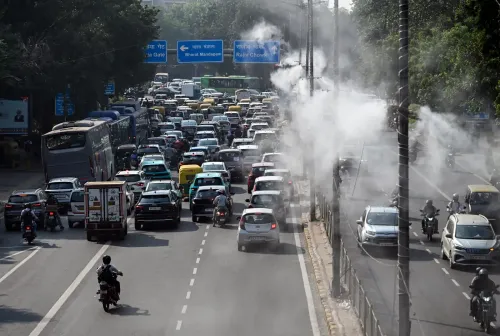
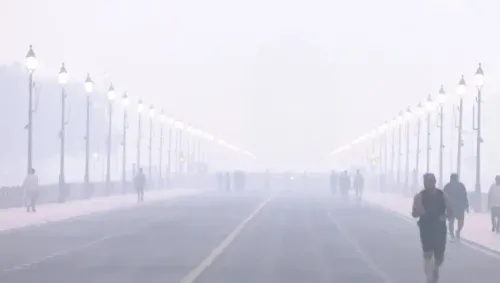
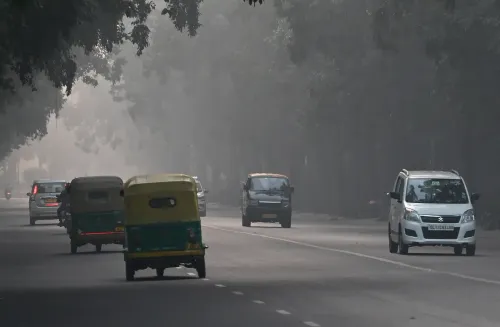
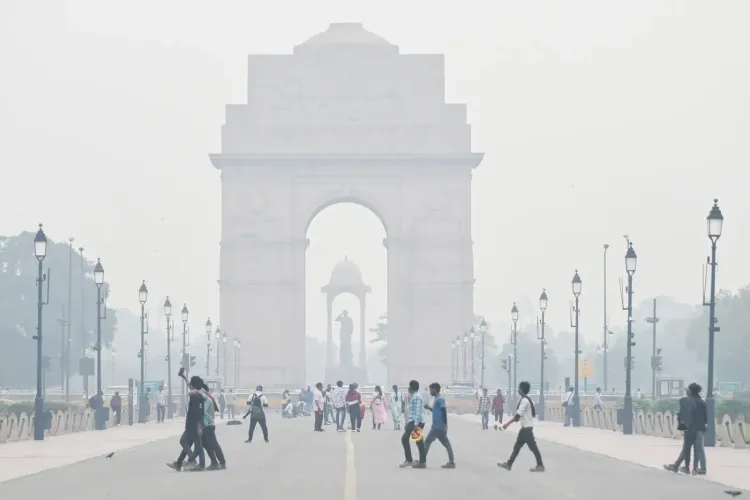
Delhi's air quality deteriorates sharply each winter as cooler temperatures trap pollutants close to the ground, compounding emissions from vehicular traffic, construction dust, and stubble burning in neighbouring states. This is the second consecutive year the Delhi government has activated a multi-pronged winter action plan blending vehicle restrictions, WFH mandates, and construction bans simultaneously. Critics have argued in past seasons that enforcement consistency — not the existence of rules — determines whether pollution indices actually improve. The ICCC's AI-driven monitoring is presented as a response to that criticism. How effectively violations translate into challans and corrective action will be closely watched over the coming weeks.
Point of View
WFH mandates, construction halts — yet air quality indices have not shown durable improvement across seasons. The real variable is enforcement velocity: how quickly challans are issued, how consistently border inspections are sustained through December and January, and whether the AI-enabled ICCC actually converts camera data into action rather than just dashboards. The doubling of parking fees is perhaps the most economically honest lever in the package, directly taxing private vehicle use, but its impact depends on whether public transport capacity can absorb the shift. Without a credible mid-season audit of compliance rates, these measures risk being headline policy rather than clean-air outcomes.
NationPress
1 Nov 2026
Frequently Asked Questions
Which vehicles are banned in Delhi from 1 November 2026?
Petrol and diesel vehicles registered outside Delhi that do not meet BS-VI emission standards — i.e., those conforming to BS-IV or older norms — are banned from entering the National Capital from 1 November 2026 until 31 January 2027. CNG vehicles, electric vehicles, ambulances, fire tenders, and police vehicles are exempt.
How long will the 50% work-from-home rule apply in Delhi?
The 50% physical attendance cap for government and private offices is in force from 1 November 2026 through 31 January 2027. Essential and emergency services are exempt from the mandate.
What construction activities are banned under Delhi's pollution curbs?
All dust-generating demolition and outdoor civil construction activities are banned for the duration of the restrictions. Essential public infrastructure projects may continue under prescribed conditions, and indoor finishing, plumbing, and electrical work can proceed if dust-control standards are strictly followed.
Have parking charges increased in Delhi due to pollution rules?
Yes. Parking fees at all authorised lots across Delhi have been doubled from 1 November to 28 February to discourage private vehicle use. Parking facilities owned and managed by the Delhi Metro Rail Corporation (DMRC) are exempt from this increase.
How will Delhi enforce the new pollution restrictions?
Enforcement is being managed through intensified inspection drives at border entry points, ANPR cameras, and the AI-enabled Integrated Command and Control Centre (ICCC). The DPCC, Delhi Traffic Police, Transport Department, and MCD have all been directed to ensure compliance, with special teams instructed to act immediately on violation reports.