Delhi CM Rekha Gupta launches anti-pollution drive: old vehicle ban, WFH from Nov 1

Synopsis
Delhi is rolling out its most tech-monitored winter pollution crackdown yet — banning old vehicles, halving office attendance, doubling parking fees, and halting outdoor construction from 1 November. AI-enabled cameras and enforcement squads back the measures, but compliance in private offices remains the untested variable.
Key Takeaways
Delhi CM Rekha Gupta announced anti-pollution restrictions effective 1 November 2026 .
Vehicles registered outside Delhi with BS-IV or older emission standards banned from 1 November to 31 January ; CNG, EV, and emergency vehicles exempt.
All outdoor demolition and construction activity banned from 1 November to 31 January ; indoor work may continue with dust controls.
A 50 per cent WFH mandate applies to government and private offices from 1 November to 31 January ; essential services exempt.
Parking fees at authorised lots doubled from 1 November to 28 February ; DMRC lots exempt.
Enforcement backed by ANPR cameras and the AI-enabled ICCC ; special teams to act immediately on violations.
Delhi Chief Minister Rekha Gupta on 31 October 2026 announced a sweeping set of anti-air pollution restrictions for the capital, set to take effect from 1 November. The measures include a ban on non-BS-VI vehicles registered outside Delhi, a 50 per cent work-from-home mandate for government and private offices, and a complete halt on outdoor construction and demolition activity.
Key Restrictions Coming Into Force
From 1 November to 31 January, motor vehicles registered outside Delhi that conform to BS-IV or older emission standards will be barred from entering or operating within the city. CNG and electric vehicles, ambulances, fire tenders, police vehicles, and other notified exempt categories will be allowed to continue operating without restriction.
All dust-generating demolition and outdoor civil construction activities will also be banned during the same period. Essential public infrastructure projects may proceed subject to prescribed conditions, and indoor finishing, plumbing, and electrical work can continue provided strict dust-control standards are maintained.
WFH Mandate and Staggered Office Hours
From 1 November to 31 January, a maximum of 50 per cent physical attendance will be permitted in both government and private offices, with the remaining staff required to work from home. Essential and emergency services are exempt from this directive. To ease traffic congestion further, Municipal Corporation of Delhi (MCD) offices will operate from 8.30 am to 5 pm, while Delhi government offices will run from 10 am to 6.30 pm.
Parking Fees Doubled to Discourage Private Vehicles
From 1 November to 28 February, parking fees at authorised lots across Delhi will be doubled to discourage private vehicle use during the peak pollution season. Parking lots owned and managed by the Delhi Metro Rail Corporation (DMRC) are exempt from this increase, effectively incentivising commuters to switch to metro services.
Enforcement Mechanism
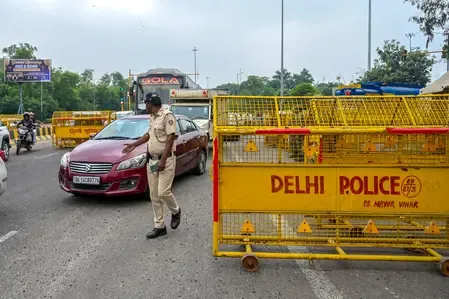
The Environment Department of the Delhi government confirmed that special enforcement teams will be deployed across the city, backed by ANPR cameras and the AI-enabled Integrated Command and Control Centre (ICCC) for continuous, real-time monitoring. The Transport Department, Delhi Traffic Police, Delhi Pollution Control Committee (DPCC), and the Municipal Corporation have all been directed to ensure strict compliance. Violations recorded by ANPR cameras and enforcement teams will be reviewed through the ICCC, with special teams instructed to act immediately on reported breaches.
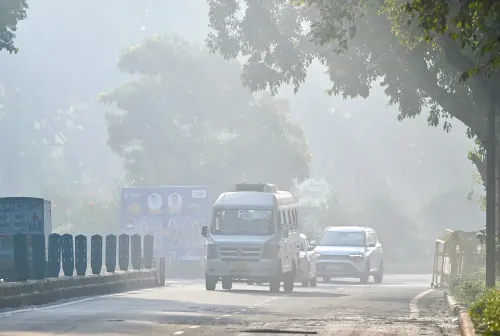
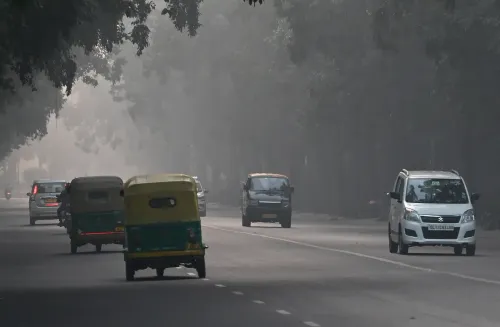
This comes amid Delhi's annual winter pollution crisis, when a combination of stubble burning in neighbouring states, falling temperatures, and stagnant winds typically pushes the Air Quality Index into the 'severe' or 'hazardous' categories. The restrictions mirror and build on similar frameworks deployed in previous years under the Graded Response Action Plan (GRAP). With enforcement now backed by AI-enabled surveillance, authorities are signalling a sharper operational approach than past winters. How consistently the measures are implemented — particularly the WFH mandate in private offices — will determine their real-world impact.
Point of View
But private-sector WFH compliance has historically been patchy without a credible penalty framework. The addition of AI-enabled ICCC monitoring is a meaningful upgrade on enforcement capacity, yet the system's effectiveness depends on whether challans translate into deterrence. Crucially, the restrictions address local sources but do not resolve the stubble-burning variable in Punjab and Haryana, which remains outside Delhi's jurisdictional reach and historically accounts for a substantial share of seasonal PM2.5 spikes. The real test of this iteration is whether enforcement data is made publicly accessible — transparency that past administrations have not consistently delivered.
NationPress
31 Oct 2026
Frequently Asked Questions
What anti-pollution restrictions has Delhi announced from 1 November 2026?
Delhi has announced a ban on non-BS-VI vehicles registered outside the city, a 50 per cent work-from-home mandate for offices, a halt on outdoor construction and demolition, and doubled parking fees at authorised lots. The measures were announced by Chief Minister Rekha Gupta and take effect from 1 November 2026.
Which vehicles are banned in Delhi from 1 November?
Vehicles registered outside Delhi that conform to BS-IV or older emission standards are banned from operating in the city between 1 November and 31 January. CNG and electric vehicles, ambulances, fire tenders, police vehicles, and other notified exempt categories are not affected.
How long will the work-from-home mandate last in Delhi?
The 50 per cent WFH mandate for government and private office staff runs from 1 November to 31 January 2026. Essential and emergency services are exempt from the directive.
How will Delhi enforce these pollution restrictions?
Enforcement will be handled by special teams deployed across the city, supported by ANPR cameras and the AI-enabled Integrated Command and Control Centre (ICCC) for real-time monitoring. The Transport Department, Delhi Traffic Police, DPCC, and Municipal Corporation have all been directed to ensure compliance.
Are parking fees in Delhi increasing, and for how long?
Yes, parking fees at authorised lots across Delhi will be doubled from 1 November to 28 February to discourage private vehicle use. DMRC-managed parking lots are exempt from the increase.