Delhi NCR Winter Action Plan 2026: CAQM orders pollution curbs from Nov 1
Synopsis
Starting 1 November, Delhi and the NCR — now including Alwar — face a sweeping Winter Action Plan: non-BS-VI vehicles restricted, coal tandoors banned, open burning penalised, and diesel generators regulated. With last winter's 'severe' AQI days fresh in memory, the CAQM is widening its regulatory net and enforcement agencies face a high-stakes test.
Key Takeaways
The Union Ministry of Environment and CAQM have directed Delhi and NCR states to strengthen pollution-control measures ahead of winter.
The Winter Action Plan kicks in from 1 November , covering waste burning, vehicles, construction, and diesel generators.
Non-BS-VI petrol and diesel vehicles will face restrictions in Delhi from 1 November .
All vehicles must hold a valid PUC certificate to purchase fuel at petrol pumps.
The GRAP winter measures have been extended to cover Alwar , broadening the NCR pollution-control perimeter.
Sites without prescribed dust-control measures, including green nets , face potential enforcement action.
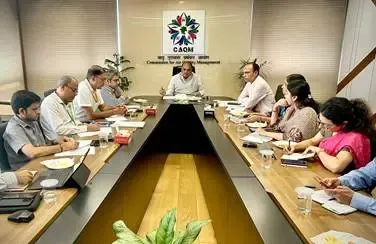
The Union Ministry of Environment, Forest and Climate Change and the Commission for Air Quality Management (CAQM) have directed Delhi and the four NCR states to immediately strengthen pollution-control measures ahead of the winter season. The Winter Action Plan is set to take effect across the National Capital Region (NCR) from 1 November, covering a sweeping range of restrictions on vehicles, construction, waste burning, and diesel generators.
Key Measures Under the Winter Action Plan
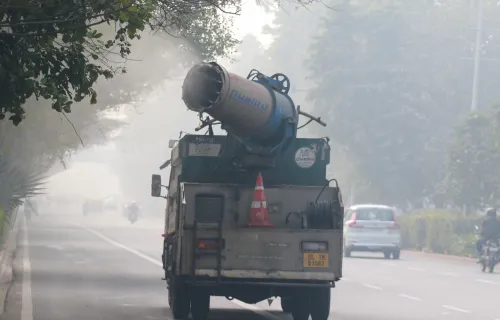
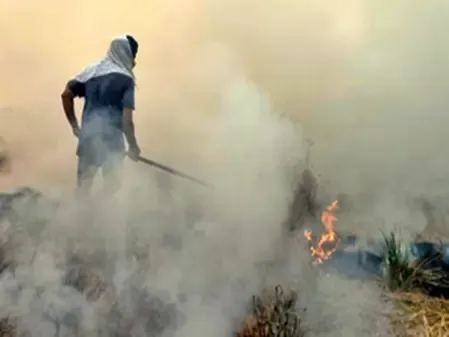
The plan mandates mechanical road sweeping, regular water sprinkling, and 100% waste collection by municipal bodies to suppress dust. Open burning of garbage, waste, and dry leaves will attract penalties. Coal- and wood-fired tandoors at hotels and roadside eateries will face restrictions, while cleaner alternatives such as CNG, LPG, and permitted dual-fuel systems will be encouraged or mandated where specified.
Industrial and commercial establishments operating conventional diesel generators will be required to comply with applicable generator-set norms. Construction and demolition sites that fail to implement prescribed dust-control measures — including green nets where required — may face enforcement action.
Vehicle Restrictions and PUC Norms
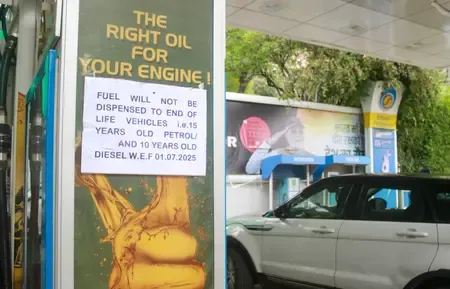
In Delhi, commercial and private petrol and diesel vehicles that do not meet BS-VI emission standards will face restrictions from 1 November. Additionally, a policy already in place requires all vehicles to carry a valid Pollution Under Control (PUC) certificate to obtain fuel at petrol pumps — a provision that enforcement agencies are expected to monitor more actively during the winter months.
Alwar Brought Under GRAP Coverage
The Alwar Pollution Control Board has been separately directed to prepare for deteriorating air quality. Notably, the CAQM's Graded Response Action Plan (GRAP) winter measures will now extend to cover Alwar, in addition to the rest of the NCR — marking a broadening of the regulatory perimeter. This comes amid persistent concerns that pollution hotspots just outside the traditional NCR boundary contribute to regional air-quality decline without facing equivalent oversight.
Why This Winter Is Critical
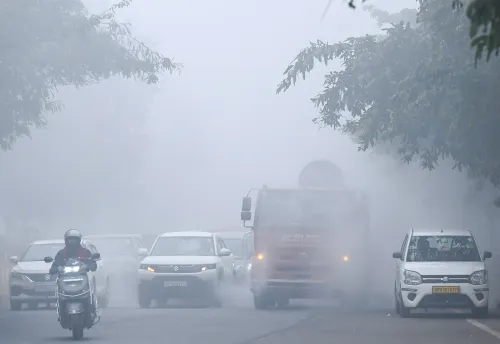
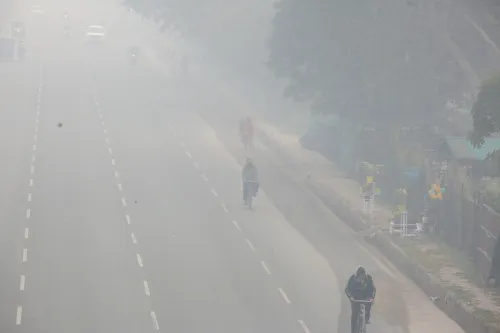
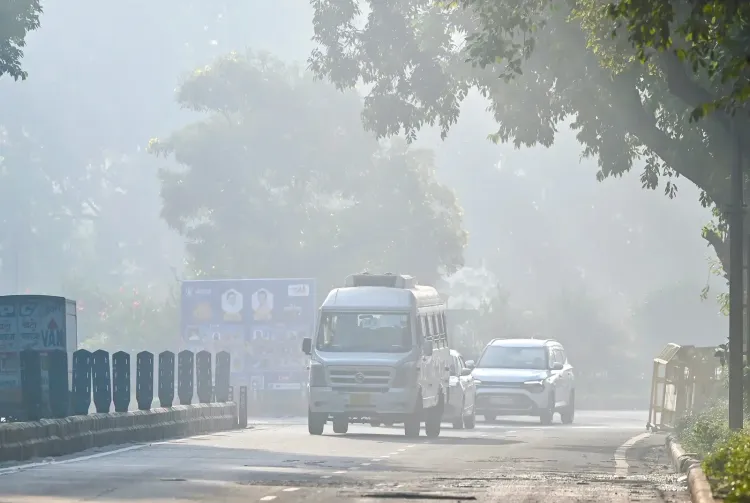
Air quality across the NCR typically deteriorates sharply between October and January as falling temperatures trap pollutants closer to the ground, farm stubble burning picks up in neighbouring states, and vehicular and industrial emissions compound the seasonal effect. Last winter, Delhi recorded several days of 'severe' and 'severe plus' air quality index readings, prompting emergency school closures and vehicle bans. Timely enforcement of the Winter Action Plan is widely regarded as essential to preventing a repeat.
What Comes Next
With temperatures expected to drop further through November, the coming weeks will test whether authorities can translate directives into on-ground enforcement. Municipal bodies, state pollution control boards, and traffic agencies will all need to coordinate. The effectiveness of this year's preparations across Alwar and the wider NCR will depend heavily on consistent monitoring and swift action against violators.
Point of View
But the broader pattern of annual Winter Action Plans that arrive with fanfare and fade by December raises legitimate questions about institutional follow-through. The BS-VI vehicle restriction is significant on paper, but its impact will depend on whether traffic police actually enforce it beyond the first week. With farm stubble burning — a major seasonal trigger outside CAQM's direct jurisdiction — still unresolved at scale, the Winter Action Plan addresses symptoms more than root causes.
NationPress
27 Oct 2026
Frequently Asked Questions
What is the Delhi NCR Winter Action Plan 2026?
The Winter Action Plan is a set of pollution-control measures ordered by the CAQM and the Union Ministry of Environment to take effect across the NCR from 1 November. It includes restrictions on non-BS-VI vehicles, coal tandoors, open waste burning, and construction activity, along with increased road sweeping and water sprinkling.
Which vehicles face restrictions in Delhi from 1 November?
Commercial and private petrol and diesel vehicles that do not meet BS-VI emission standards will face restrictions in Delhi from 1 November 2026. Additionally, all vehicles must carry a valid Pollution Under Control (PUC) certificate to obtain fuel at petrol pumps.
Why is Alwar included in the CAQM's winter pollution measures?
The Alwar Pollution Control Board has been directed to prepare for air-quality deterioration, and CAQM's GRAP winter measures now cover Alwar in addition to the traditional NCR. This reflects concerns that pollution sources just outside the NCR boundary contribute to regional air-quality decline without facing equivalent regulatory oversight.
What penalties apply for burning waste or using coal tandoors?
Open burning of garbage, waste, and dry leaves will attract penalties under the Winter Action Plan. Coal- and wood-fired tandoors at hotels and roadside eateries face restrictions, with authorities encouraged to push operators toward CNG, LPG, or other permitted cleaner alternatives.
What happens if construction sites do not follow dust-control norms?
Construction and demolition sites that fail to implement prescribed dust-control measures — including the installation of green nets where required — may face enforcement action from local authorities and state pollution control boards under the applicable guidelines.