Delimitation, women's quota 'good thing for India': BJP MP Gupta
Synopsis
The BJP is framing delimitation as a 'Nari Shakti' moment, with Rajinder Gupta and Jitan Ram Manjhi casting critics as anti-women. Congress's Ramesh Chennithala sees something else: a plan to punish southern states for controlling population. The 132nd Amendment Bill, with one-third quota, 50% more seats and a freeze till 2051, now heads for a Special session showdown.
Key Takeaways
BJP MP Rajinder Gupta called delimitation and women's reservation “a very good thing for India” in Chandigarh on 28 November 2026 .
The Constitution (One Hundred and Thirty-second Amendment) Bill, 2026 will be introduced in Parliament's upcoming Special session .
The Bill proposes one-third reservation for women, a 50 per cent seat expansion and a delimitation freeze until 2051 .
Union Minister Jitan Ram Manjhi said those against the move are “against Indian culture”.
Congress leader Ramesh Chennithala said the Bill aims to punish southern states and urged them to defeat it in Parliament.
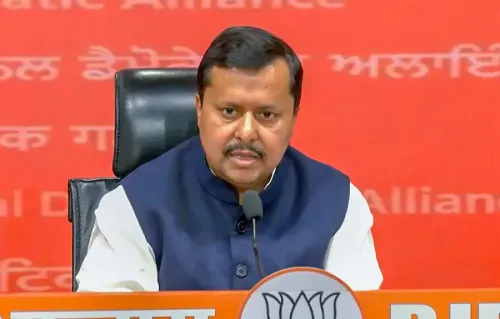
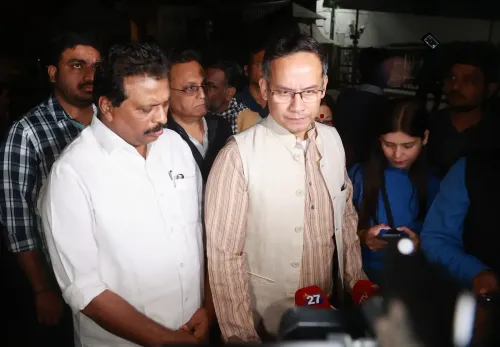
Bharatiya Janata Party (BJP) Rajya Sabha MP Rajinder Gupta on Saturday, 28 November 2026, backed the proposed delimitation exercise and the move to reserve seats for women in Parliament and state Assemblies. Speaking in Chandigarh, he called it “a very good thing for India” and questioned why anyone would oppose it. His remarks come days before a Special session of Parliament where the Centre is set to table the constitutional amendment behind both changes.
Key Developments
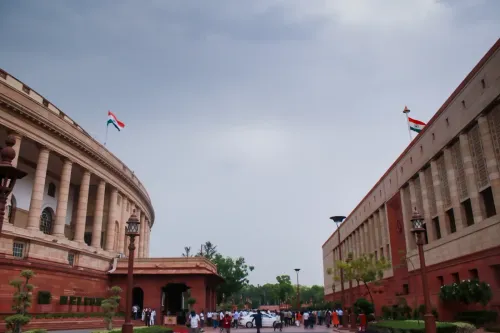
The Centre is set to introduce the Constitution (One Hundred and Thirty-second Amendment) Bill, 2026 during the upcoming Special session. The Bill seeks one-third reservation for women in the Lok Sabha and State Legislative Assemblies.
The Bill also proposes a 50 per cent expansion in seats and a freeze on delimitation until 2051. The Union Cabinet has cleared amendments to the proposed Bill linked to delimitation and women's reservation.
What the BJP and NDA Leaders Said
Gupta spoke to reporters after an event in Chandigarh. “There can be no bigger thing than ‘Nari Shakti’, participation of women...if any kind of re-configuration is required after so many years, then what's wrong with that?” he asked.
Union Minister Jitan Ram Manjhi also welcomed the Cabinet's decision. He went further and took aim at the Opposition's criticism. “Those who are against women are against Indian culture. They are the same people who oppose giving women reservation. This is a very significant contribution by Narendra Modi and the NDA government,” he said.
“We appreciate it because this should have been passed long ago, and it is now happening. It is late, but things are being set right. Anyone who opposes this will be seen as opposing women's power and Indian culture,” Manjhi told reporters.
Opposition Raises Southern States' Concerns
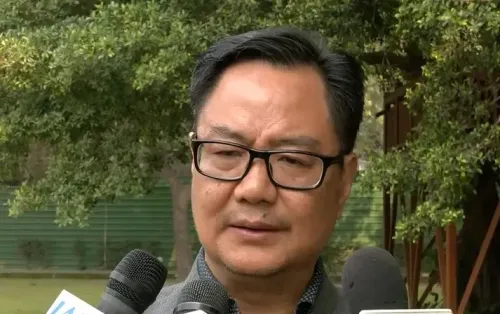
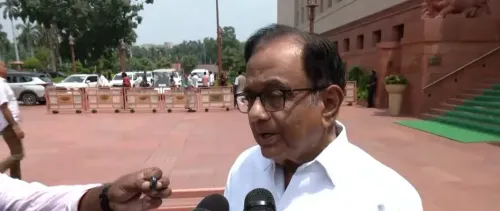
Kerala Minister and senior Indian National Congress leader Ramesh Chennithala struck a sharply different note. He claimed the delimitation bill is meant to “subvert the political prominence of the southern Indian states and the democratic practices of our country”.
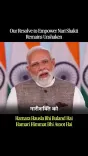
“By imposing this agenda of the Sangh Parivar, they wanted to punish the southern states for religiously following the population control and achievements in the field of health and education. This is improper and cannot be tolerated,” Chennithala said in a video message.
He urged all southern states to come together against what he called the “nefarious design of BJP” and to defeat the proposed Bill in Parliament.
Why It Matters
The debate packages two separate issues into one legislative push. Women's reservation has broad cross-party support in principle. Delimitation, however, has long been a sensitive point for states that have brought their population growth under control.
Notably, southern leaders have repeatedly argued that redrawing seats on the basis of population could shrink their share of representation in Parliament. That concern now sits at the centre of the Opposition's response. Because the Bill both expands seats by 50 per cent and freezes delimitation until 2051, the exact seat arithmetic for each state will be closely examined.
What Happens Next
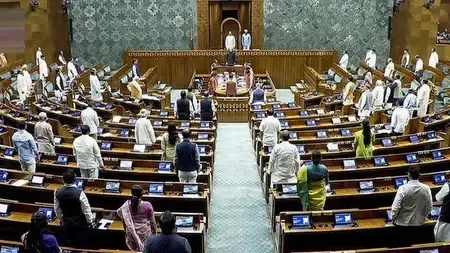
As a constitutional amendment, the Bill will need a special majority in both Houses. The Special session will test whether the Centre can win over enough support, and whether the southern states' resistance hardens into a coordinated Opposition front on the floor of Parliament.
Point of View
And opposing one starts to look like opposing the other. Manjhi's line that critics are 'against Indian culture' sidesteps the real question Chennithala raises. That question is whether states that delivered on population control lose parliamentary weight as a result. A 50% seat expansion may soften the arithmetic, but until the Centre publishes state-wise seat projections, southern suspicion will be hard to dispel. Women's representation deserves a debate on its own merits, not one used as a shield for a federal power reset.
NationPress
28 Nov 2026
Frequently Asked Questions
What did BJP MP Rajinder Gupta say about delimitation?
Rajinder Gupta called the proposed delimitation and women's reservation “a very good thing for India” on 28 November 2026 in Chandigarh. He questioned what was wrong with reconfiguration after so many years.
What is the Constitution (One Hundred and Thirty-second Amendment) Bill, 2026?
It is a proposed constitutional amendment to implement one-third reservation for women in the Lok Sabha and State Legislative Assemblies. It also proposes a 50 per cent seat expansion and a delimitation freeze until 2051.
When will the women's reservation and delimitation Bill be introduced?
The Centre is set to introduce the Bill during the upcoming Special session of Parliament, which is days away. The Union Cabinet has already cleared amendments to the proposed Bill.
Why are southern states opposing delimitation?
Congress leader Ramesh Chennithala claimed the delimitation bill aims to subvert the political prominence of southern states. He said they are being punished for following population control and for their achievements in health and education.
Who supports the proposed Bill?
BJP MP Rajinder Gupta and Union Minister Jitan Ram Manjhi have welcomed it. Manjhi called it a significant contribution by Narendra Modi and the NDA government.