Women's reservation bill: Fadnavis, Rekha Gupta back Modi
Synopsis
BJP chief ministers rallied behind PM Modi's women's quota push, but the real story is the fine print. The 131st Amendment Bill ties one-third reservation to 2011-census delimitation and a Lok Sabha that could grow from 550 to 850 seats. That makes the bill as much about redrawing India's political map as about gender equity.
Key Takeaways
Maharashtra CM Devendra Fadnavis and Delhi CM Rekha Gupta welcomed the Centre's women's reservation push on 28 November 2026 .
The Constitution (131st Amendment) Bill, 2026 is expected to be reintroduced in the upcoming Special session of Parliament .
The bill would enable delimitation using the 2011 census and raise the Lok Sabha seat cap from 550 to 850 .
It seeks to put into effect one-third reservation for women in Parliament and state Assemblies.
Uttarakhand CM Pushkar Singh Dhami said the move could bring 33% women's reservation in the 2029 Lok Sabha polls .
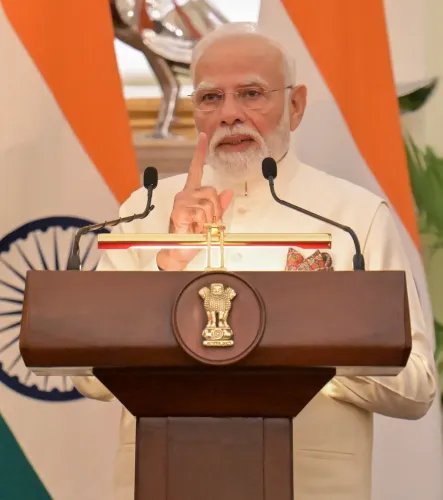
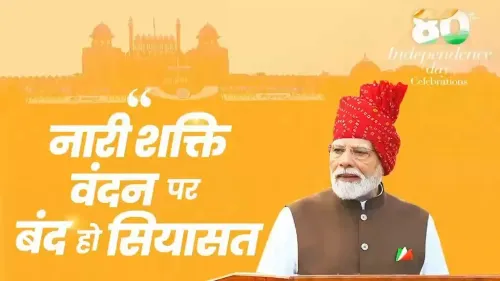
PM Modi warned the Opposition against stalling the bill.
Maharashtra Chief Minister Devendra Fadnavis and Delhi Chief Minister Rekha Gupta on Saturday, 28 November 2026, welcomed the Centre's push for women's reservation in the Lok Sabha and state Assemblies. Both called it central to the vision of 'Viksit Bharat'. Their remarks came hours after Prime Minister Narendra Modi said the National Democratic Alliance (NDA) government was determined to deliver the quota. Modi also warned the Opposition against trying to stall the proposed Constitution (131st Amendment) Bill, 2026.
Key Developments
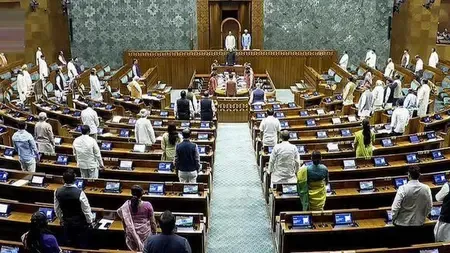
The Union government is expected to reintroduce the Constitution (131st Amendment) Bill, 2026 during the upcoming Special session of Parliament. The package includes the Delimitation Bill, 2026 and the Union Territories Laws (Amendment) Bill, 2026.
The legislation does three things:
- It enables delimitation using the 2011 census.
- It raises the maximum Lok Sabha seat limit from 550 to 850.
- It puts into effect one-third reservation for women in Parliament and state Assemblies.
Notably, the bill links the women's quota directly to a redrawing of constituencies. That pairing gives the political stakes an added layer.
What Fadnavis Said
In a post on the social media platform X, Fadnavis called the Union Cabinet's move a “historic decision” to ensure women's reservation.
“This landmark move will not only enhance the representation of mothers and sisters in politics but will also make India's democracy more inclusive and participatory. Greater participation of women in governance and public life will further strengthen the resolve of building a 'Viksit Bharat',” he said.
“I also express my sincere gratitude to Prime Minister Narendra Modi and extend my heartfelt congratulations to all the mothers and sisters of the country on this significant milestone,” Fadnavis added.
Rekha Gupta on 'Nari Shakti'
Delhi CM Rekha Gupta said the rightful representation of 'Nari Shakti' in Parliament and state Assemblies is “integral to the vision of Viksit Bharat”.
“Prime Minister Narendra Modi ji has made his resolve clear. India’s mothers, sisters and daughters must be equal partners in the nation's decision-making and development,” she said on X.
Gupta described the Centre's decision as a commitment to the democratic aspirations of women, who she said make up half of India's population.
Dhami Flags Seat Expansion and 2029 Timeline
Earlier on Saturday, Uttarakhand Chief Minister Pushkar Singh Dhami also welcomed the Union Cabinet's clearance of the amendments. Writing on his official X account, he said the move marks an important step towards making India's democratic system more “inclusive and representative”.
“It paves the way for up to a 50 per cent increase in the number of Lok Sabha seats across all states, thereby expanding Parliamentary representation and creating greater opportunities to effectively raise the concerns and aspirations of people from different regions,” Dhami said.
According to Dhami, the move is expected to clear the way for 33 per cent reservation for women in the 2029 Lok Sabha elections.
“This will provide India’s women with a stronger voice in advancing issues related to their rights and interests, while also allowing them to play a more active role in shaping national policies and governance,” he added.
What Happens Next
This comes amid a sharpening face-off between the government and the Opposition over the bill. Modi has openly cautioned rivals against blocking it.
Because the package ties the women's quota to delimitation and a larger Lok Sabha, the debate is likely to go beyond gender representation. Questions of seat distribution among states are also expected to surface. All eyes now turn to the Special session, where the bill's passage will decide whether the quota is in place for 2029.
Point of View
The Centre has made it politically costly to oppose one part without appearing to oppose women's representation. States with slower population growth have long feared losing relative weight in any redrawing, and that concern will not disappear under the banner of Nari Shakti. If the quota is truly the priority, the government owes the country a transparent account of how seats will be redistributed before the 2029 deadline.
NationPress
28 Nov 2026
Frequently Asked Questions
What is the Constitution (131st Amendment) Bill, 2026?
It is a proposed constitutional amendment to put into effect one-third reservation for women in the Lok Sabha and state Assemblies. It also enables delimitation using the 2011 census and raises the maximum Lok Sabha seat limit from 550 to 850. The package includes the Delimitation Bill, 2026 and the Union Territories Laws (Amendment) Bill, 2026.
What did Devendra Fadnavis and Rekha Gupta say about women's reservation?
Both chief ministers welcomed the Centre's resolve and called women's representation integral to 'Viksit Bharat'. Fadnavis called it a historic decision of the Union Cabinet. Gupta said women must be equal partners in the nation's decision-making.
When could women's reservation come into effect?
According to Uttarakhand CM Pushkar Singh Dhami, the move is expected to pave the way for 33% reservation for women in the 2029 Lok Sabha elections. This depends on Parliament passing the bill in the upcoming Special session.
How many Lok Sabha seats could there be after delimitation?
The bill proposes raising the maximum Lok Sabha seat limit from 550 to 850. Dhami said this paves the way for up to a 50% increase in Lok Sabha seats across all states.
What did PM Modi say to the Opposition about the bill?
PM Modi said the NDA government is determined to provide reservation to women in the Lok Sabha and state Assemblies. He warned the Opposition against attempting to stall the Constitution (131st Amendment) Bill, 2026.