Pakistan blasphemy push may fuel false cases, Christians at risk
Synopsis
Pakistan's own police officials told a Senate panel that most of 333 blasphemy cases in five years were fabricated. Yet Punjab's assembly has now unanimously demanded tougher punishment under Section 298-A, reviving a 2023 bill that stalled. Rights advocates warn it could expose Christians and other minorities to even greater risk.
Key Takeaways
Pakistan's Punjab Provincial Assembly unanimously passed a resolution seeking harsher punishment under Section 298-A of the PPC.
The resolution was introduced by opposition lawmaker Rana Aurangzaib .
Section 298-A currently carries up to three years' imprisonment , a fine, or both.
A 2023 bill to raise the punishment to a minimum of 10 years lapsed after then-President Arif Alvi returned it unsigned.
Officials told a Senate committee in July that most of 333 blasphemy cases over five years were fabricated.
Tehmina Arora of Alliance Defending Freedom International called for the laws to be repealed.
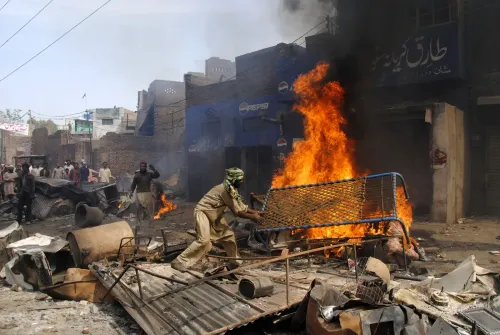
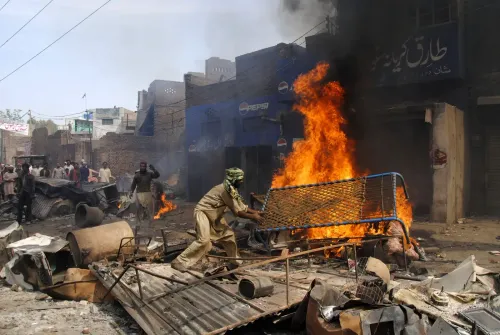
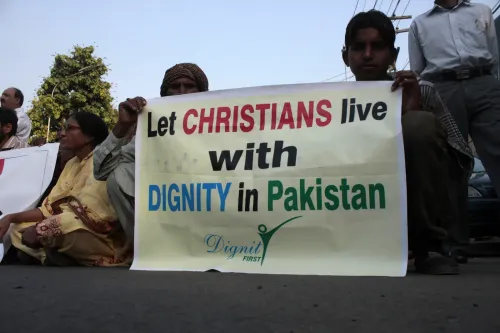
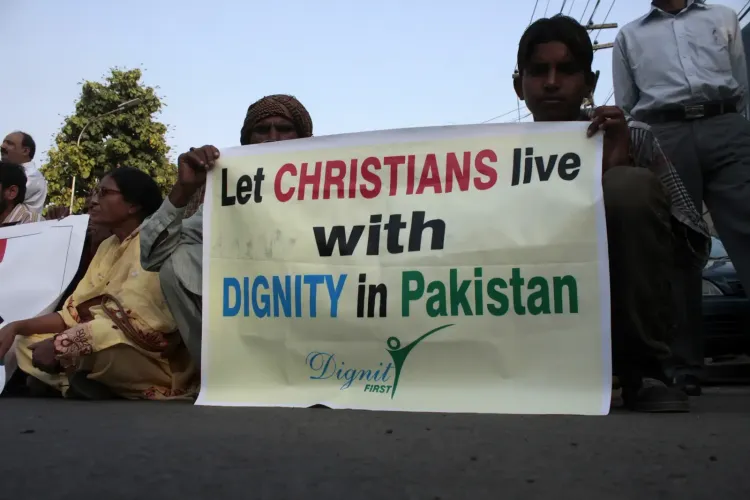
A resolution passed by the Provincial Assembly of Pakistan's Punjab seeking harsher punishment for blasphemy against the wives, family members and companions of Prophet Muhammad has drawn sharp criticism from human rights advocates. They warn the move could trigger more false accusations against citizens, including members of the Christian minority. The resolution was passed unanimously earlier this week, according to a report.
What the Punjab Resolution Seeks
The resolution was introduced by opposition lawmaker Rana Aurangzaib. It describes the existing punishment under Section 298-A of the Pakistan Penal Code (PPC) as insufficient for acts that allegedly hurt religious sentiments. The details were reported by Christian Daily International-Morning Star News and published in The Christian Post.
Section 298-A currently prescribes up to three years' imprisonment, a fine, or both for derogatory remarks against the wives and family members of the Prophet, the four Islamic caliphs and his companions. The resolution urged the federal government to treat the matter as a high priority and bring in legislation to increase the punishment.
A Revival of a Stalled 2023 Bill
The push is not new. In August 2023, Pakistan's parliament passed a bill proposing to raise the maximum punishment under Section 298-A from three years to a minimum of 10 years, with the possibility of life imprisonment.
That bill did not become law. Then-President Arif Alvi returned it without signing it, according to the report. The Punjab resolution now puts the question back before the federal government.
A Christian attorney who has defended several people falsely accused of blasphemy said any amendment to Section 298-A would require legislation at the federal level. Speaking on condition of anonymity, the attorney said: “Rather than strengthening the legislation, the federal government should legislate against false accusations of blasphemy that continue to put innocent lives at stake.”
Official Data Points to Fabricated Cases
The concerns are backed by official testimony. According to the report, provincial home secretaries and senior police officials told a Senate committee in July that a majority of the 333 blasphemy cases registered across Pakistan's four provinces over the previous five years were fabricated.
The officials said personal vendettas, family disputes and other private conflicts frequently motivated the allegations. Notably, this means the state's own officials have acknowledged that the existing law is being misused, even as lawmakers seek to make it tougher.
The article also cited a June 2025 report by Human Rights Watch (HRW). It stated: “Blasphemy accusations are increasingly weaponised to incite mob violence, displace marginalised groups and seize their property with impunity.”
Calls for Repeal Grow Louder
Tehmina Arora, Director of Advocacy for Asia at Alliance Defending Freedom International, said Pakistan should repeal its harsh blasphemy laws instead of adding further restrictions.
“Given how easily it is in Pakistan to file cases on the charges of blasphemy, such laws have a chilling effect on the practice and propagation of one's faith. Blasphemy laws not only create a culture of violence and discrimination, they are also violative of international law and must be repealed,” Arora said.
Any change to Section 298-A now depends on whether the federal government acts on the Punjab resolution. Rights groups are likely to watch closely whether Islamabad revives the stalled 2023 proposal or moves to address false accusations instead.
Point of View
Yet legislators are responding by demanding harsher penalties rather than safeguards against misuse. Tougher punishment under a law already weaponised in personal and property disputes raises the stakes of every false complaint, and minorities like Christians bear the heaviest burden. For India, which has watched persecution of minorities across the border for decades, this is another sign that Pakistan's legal system continues to drift toward majoritarian punishment instead of accountability.
NationPress
28 Nov 2026
Frequently Asked Questions
What is the Punjab Assembly resolution on blasphemy in Pakistan?
It is a resolution passed unanimously by Pakistan's Punjab Provincial Assembly urging the federal government to increase punishment under Section 298-A of the Pakistan Penal Code. It was introduced by opposition lawmaker Rana Aurangzaib, who described the current punishment as insufficient.
What does Section 298-A of the Pakistan Penal Code say?
Section 298-A prescribes up to three years' imprisonment, a fine, or both for derogatory remarks against the wives and family members of Prophet Muhammad, the four Islamic caliphs and his companions.
Why are rights groups worried about the resolution?
Rights advocates warn that harsher punishment could fuel more false blasphemy accusations, especially against minorities such as Christians. Officials told a Senate committee in July that a majority of 333 blasphemy cases registered over five years were fabricated.
Has Pakistan tried to increase blasphemy punishment before?
Yes. In August 2023, Pakistan's parliament passed a bill to raise the punishment under Section 298-A to a minimum of 10 years, with possible life imprisonment. It did not become law after then-President Arif Alvi returned it without signing it.
Can the Punjab Assembly change the blasphemy law on its own?
No. According to a Christian attorney quoted in the report, any amendment to Section 298-A would require legislation at the federal level. The resolution only urges the federal government to act.