Jodhpur maternal deaths expose Rajasthan's obstetric care gaps despite state drive
Synopsis
Rajasthan completed one of its largest-ever maternal health inspection drives — covering 3.56 lakh pregnancies in five days — only for two women to die after childbirth in Jodhpur days later, with 16 more facing serious complications. The gap between the state's monitoring ambition and ground-level emergency care is now impossible to ignore.
Key Takeaways
Two women — Samu and Dimple — died following childbirth in Jodhpur , with deaths occurring on 21 July and 19 July respectively.
Samu received six units of blood , 14 units of plasma , and 10 units of cryoprecipitate but succumbed to hypovolemic shock and multi-organ failure after being referred across three hospitals.
16 women who recently gave birth have developed serious complications in Jodhpur over the past month, most after Caesarean deliveries.
The deaths follow a five-day state inspection campaign (15–19 July) that reviewed 3,56,783 pregnancies and inspected 8,414 health institutions .
Srinivas has directed officials to strengthen the referral system, ensure ambulance availability, and maintain adequate blood and medicine stocks at government hospitals.
Similar maternal deaths have previously been reported in Kota , Bikaner , and Banswara , indicating a recurring pattern across the state.
Two women died following childbirth in Jodhpur, Rajasthan, within days of the state government completing a five-day statewide maternal health inspection campaign, raising pointed questions about the effectiveness of emergency obstetric care on the ground. The deaths, reported on Monday, 21 July, follow earlier maternal fatalities in Kota, Bikaner, and Banswara, intensifying scrutiny of the state's referral system.
The Two Cases
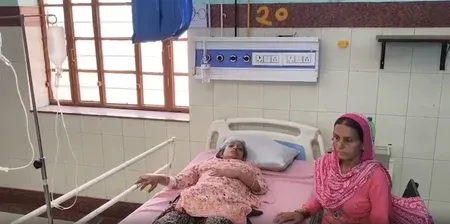
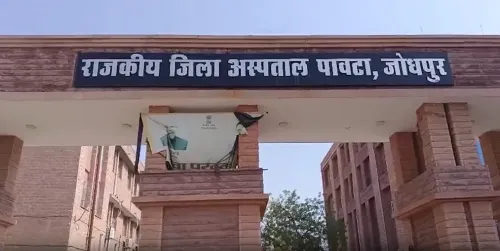
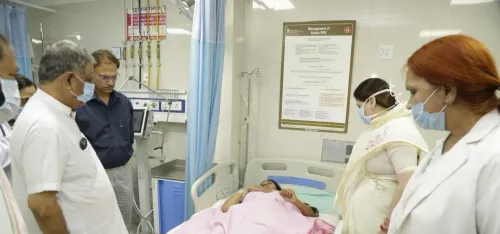
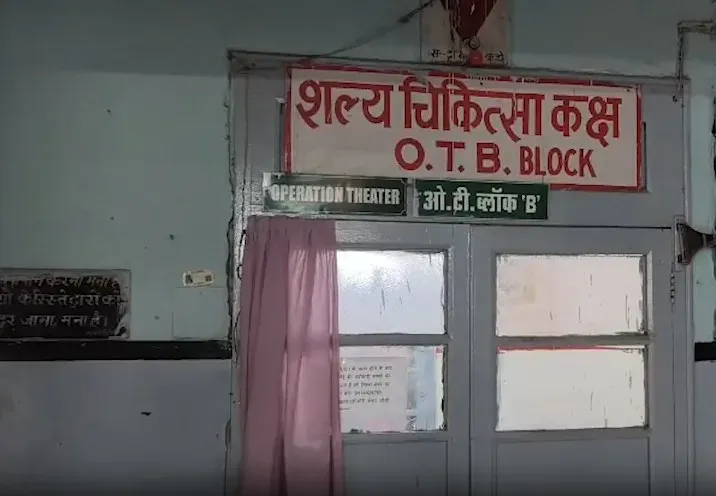
Samu underwent a normal delivery at Tinwari Hospital on 24 June and gave birth to a baby girl. Severe postpartum bleeding could not be controlled, prompting doctors to refer her first to Umaid Hospital and subsequently to Mahatma Gandhi Hospital in Jodhpur, where an emergency hysterectomy was performed. Despite receiving six units of blood, 14 units of plasma, and 10 units of cryoprecipitate, along with dialysis and ventilator support, she succumbed to hypovolemic shock, kidney failure, and multi-organ complications late on Sunday.
Dimple was admitted to Mathuradas Mathur Hospital on 30 June — the day she delivered — and remained under treatment for nearly 20 days. Her condition deteriorated suddenly on 19 July and she died that night. A post-mortem was conducted on 20 July.
Wider Complications in Jodhpur
Hospital officials disclosed that 16 women who recently gave birth have developed serious health complications in Jodhpur over the past month, with most having undergone Caesarean deliveries. Among them is Dhapu, who allegedly suffered complications after receiving an incompatible blood transfusion at Umaid Hospital and remains under treatment. Currently, five women are admitted to Umaid Hospital and two others, including Dhapu, are at Mahatma Gandhi Hospital.
The State's Inspection Drive — and Its Limits
The deaths occurred just days after Rajasthan completed a five-day intensive inspection campaign (15–19 July) under the Medical and Health Department. According to officials, the drive reviewed medical records of 3,56,783 pregnant women, specially monitored 37,558 high-risk pregnancies, and inspected 8,414 health institutions for medicine availability, equipment functionality, and hygiene. During 3,062 Pradhan Mantri Surakshit Matritva Abhiyan (PMSMA) sessions on 18 July, 1,05,629 pregnant women received specialist antenatal care. Blood tests were conducted for 98,247 women, while 12,173 received iron sucrose therapy and 9,284 were administered FCM injections for severe anaemia. A further 16,634 pregnant women received Mother Vouchers for free sonography.
Notably, the scale of the monitoring exercise makes the subsequent deaths in Jodhpur all the more difficult for the administration to explain — particularly the case of Samu, whose postpartum haemorrhage was not contained despite multiple referrals across three hospitals.
Government Response
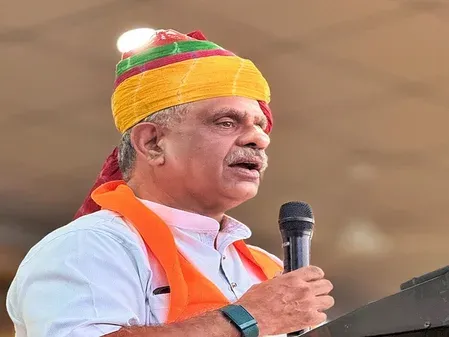
Principal Government Secretary Gayatri Rathore announced that every identified high-risk pregnant woman will now be monitored by the concerned Auxiliary Nurse Midwife (ANM) every third day, with deficiencies found during inspections addressed immediately. Chief Secretary V. Srinivas chaired a high-level meeting at Swasthya Bhawan, directing officials to strengthen the referral management system — particularly in rural areas — and ensure timely availability of 104 and 108 ambulances for emergency referrals, advance intimation to referral hospitals before patient transfer, and adequate stocks of blood, medicines, and emergency resources at government hospitals. Officials confirmed that name-wise mapping of every high-risk pregnant woman has been completed, with each case linked to the concerned ANM for regular follow-up.
What Health Experts Say
Health experts point out that postpartum haemorrhage remains one of the leading causes of maternal mortality globally, making timely referral, availability of blood products, and rapid intervention critical to survival. The pattern emerging from Jodhpur — multiple referrals, delayed intervention, and a reported case of incompatible blood transfusion — suggests systemic gaps that monitoring campaigns alone cannot address. The latest incidents are likely to sharpen the debate over whether Rajasthan's maternal healthcare reforms are translating into outcomes at the facility level, even as the government highlights the breadth of its antenatal outreach.
Point of View
8,414 facilities inspected — and two women still died in Jodhpur within days, with 16 more in serious condition. The inspection drive measured inputs, not outcomes; it counted ANM visits and sonography vouchers, not whether emergency blood was available when Samu needed it. The reported case of an allegedly incompatible blood transfusion at Umaid Hospital, a major referral centre, points to a quality failure that no headcount of PMSMA sessions can paper over. Until Rajasthan's accountability framework tracks what happens at 3 am in a district hospital — not just what was logged in a five-day campaign — the gap between monitoring ambition and maternal survival will persist.
NationPress
21 Jul 2026
Frequently Asked Questions
What happened in the Jodhpur maternal deaths case?
Two women, Samu and Dimple, died following childbirth in Jodhpur, Rajasthan, with deaths occurring on 19 and 21 July. Samu died from postpartum haemorrhage complications after being referred across three hospitals, while Dimple's condition deteriorated after nearly 20 days of treatment at Mathuradas Mathur Hospital.
How many women are affected by complications in Jodhpur?
Hospital officials have confirmed that 16 women who recently gave birth have developed serious health complications in Jodhpur over the past month, with most having undergone Caesarean deliveries. Among them, Dhapu allegedly suffered complications from an incompatible blood transfusion and remains under treatment.
What was Rajasthan's maternal health inspection campaign?
The state government conducted a five-day intensive inspection campaign from 15 to 19 July, during which 3,56,783 pregnant women had their records reviewed, 37,558 high-risk pregnancies were specially monitored, and 8,414 health institutions were inspected. The campaign also included 1,05,629 women receiving specialist antenatal care during PMSMA sessions on 18 July.
What steps has the Rajasthan government announced in response?
Chief Secretary V. Srinivas has directed officials to strengthen the referral management system, ensure timely availability of 104 and 108 ambulances, and maintain adequate blood and medicine stocks at government hospitals. Principal Government Secretary Gayatri Rathore announced that high-risk pregnant women will now be monitored by their assigned ANM every third day.
Why do maternal deaths keep occurring in Rajasthan despite government efforts?
Health experts attribute the recurring deaths to systemic gaps in emergency obstetric care, including delayed referrals, inadequate blood product availability, and failures in referral protocol implementation at the facility level. Postpartum haemorrhage — the cause in Samu's case — requires immediate intervention, and multiple transfers across hospitals can fatally delay that response.