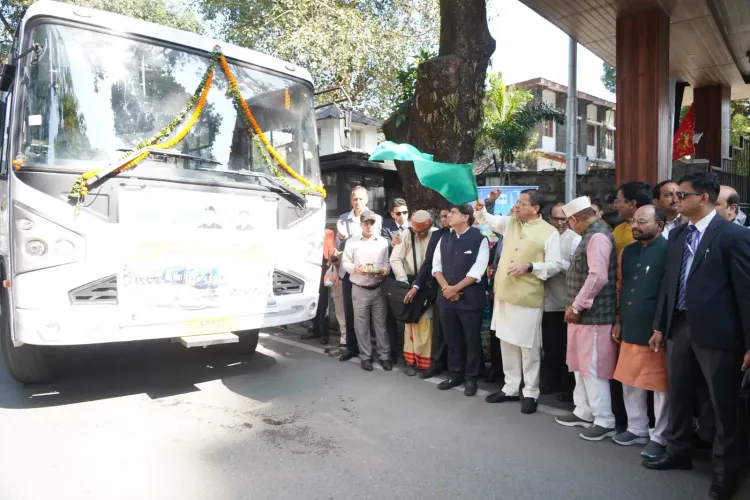
CM Dhami flags off 59 new BS-VI buses for Uttarakhand
Synopsis
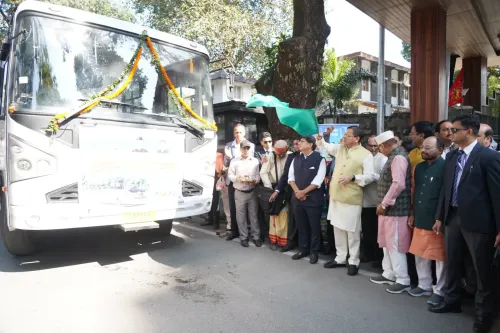
Chief Minister Pushkar Singh Dhami flagged off 59 new BS-VI-compliant buses for Uttarakhand Parivahan Nigam on 5 November 2026, distributing them across three divisions to strengthen public transport in the hill state.
Key Takeaways
59 new BS-VI buses inducted into the Uttarakhand Parivahan Nigam fleet on 5 November 2026 .
Allocation: Nainital Mandal — 19 buses , Tankpur Mandal — 20 buses , Dehradun Mandal — 20 buses .
UTC total fleet now stands at 1,276 buses — 891 corporation-owned and 385 contracted.
All new buses comply with BS-VI emission norms , supporting air quality goals in ecologically sensitive Himalayan zones.
CM Dhami cited improved connectivity for remote villages, residents, and tourists as the primary goals.
Transport Minister Pradeep Batra and senior officials were present at the flag-off at the Chief Minister's residence.
Fifty-nine new buses rolled out of Dehradun on Thursday, 5 November 2026 — greener, sturdier, and headed for the mountains. Chief Minister Pushkar Singh Dhami flagged off the latest addition to the Uttarakhand Parivahan Nigam (UTC) fleet from the Chief Minister's residence, sending the BS-VI-compliant vehicles toward routes that wind through some of India's most demanding terrain.
The post from the Chief Minister's Office of Uttarakhand confirmed the full details: all 59 buses meet BS-06 (BS-VI) emission standards, and their allocation has been split across three administrative divisions — Nainital Mandal gets 19 buses, while Tankpur Mandal and Dehradun Mandal each receive 20 buses. Routes will be assigned based on operational need.
Fleet numbers and what they mean for Uttarakhand
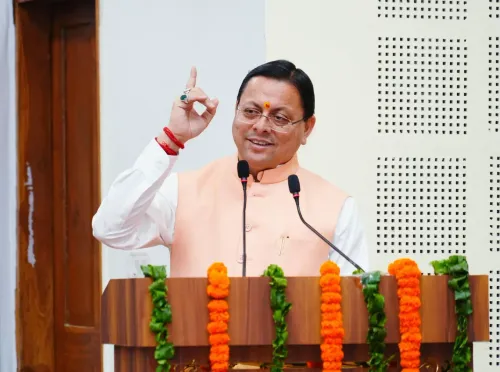
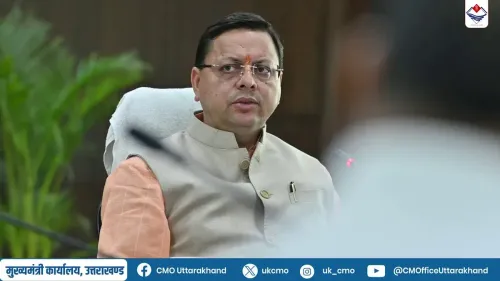
With this induction, the UTC fleet now stands at 1,276 buses — comprising 891 corporation-owned vehicles and 385 contracted ones. For a state whose ridges and valleys routinely cut communities off from basic services, every additional bus represents more than a seat: it is a supply line for markets, hospitals, and schools. CM Dhami put it plainly, saying that strong public transport is as essential as road connectivity to bring development benefits to 'the last village at the edge of the state.'
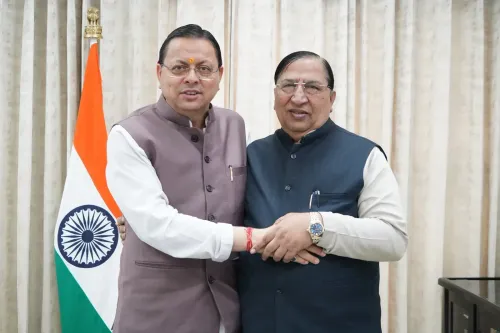
Transport Minister Pradeep Batra, Social Welfare Minister Khajan Das, MLA Bhoopal Ram Tamta, and Secretary and Transport Commissioner Ravinath Raman were present at the flag-off, underscoring the cross-departmental significance the government is attaching to this expansion.
BS-VI compliance in a Himalayan context
India mandated BS-VI emission norms for all new commercial vehicles from April 2020, requiring far cleaner diesel combustion than the previous BS-IV standard. For an ecologically sensitive state like Uttarakhand — where glaciers, forests, and river catchments sit downstream of highway exhaust — the upgrade carries weight beyond regulatory compliance. CM Dhami acknowledged this dimension directly, noting that the new buses 'will also make a positive contribution towards environmental protection.'
Mountain connectivity and the tourism dividend
Uttarakhand's economy pivots heavily on pilgrimage tourism — the Char Dham circuit, Valley of Flowers, and dozens of lesser-known high-altitude destinations. Reliable, affordable bus services are the difference between a journey that works and one that doesn't for millions of domestic travellers who cannot afford private transport. The Chief Minister highlighted both residents and tourists as direct beneficiaries, framing improved connectivity as a driver of 'economic and social activity in remote areas.' With the new fleet spread across Nainital, Tankpur, and Dehradun divisions, coverage stretches from the Kumaon foothills to the Garhwal gateway — a geographic spread that signals intent rather than tokenism.
The road to universal connectivity in Uttarakhand is long and steep — literally. But sixty new buses heading into the hills today are sixty more reasons for a remote village to stay connected to the rest of the state.
Point of View
Tangible development signal — particularly as elections and development narratives intertwine in Uttarakhand. By anchoring the announcement to BS-VI compliance, the Dhami administration is simultaneously addressing both connectivity and environmental optics, two concerns that resonate strongly with Uttarakhand's urban middle class and its influential eco-tourism lobby. The three-mandal distribution — covering Kumaon, the Terai foothills, and the state capital's belt — suggests a deliberate geographic equity argument. Whether the operational network can absorb and sustain 59 additional vehicles without driver shortages or route rationalisation gaps will determine if the headline translates into lasting benefit.
NationPress
5 Nov 2026
Frequently Asked Questions
How many new buses did Uttarakhand get in November 2026?
The Uttarakhand government inducted 59 new buses into the Uttarakhand Parivahan Nigam fleet on 5 November 2026 , flagged off by Chief Minister Pushkar Singh Dhami.
Which mandals received the new UTC buses?
Nainital Mandal received 19 buses, while Tankpur Mandal and Dehradun Mandal each received 20 buses from the new fleet of 59.
What is the total UTC bus fleet size after the new addition?
After the induction of the 59 new buses, the Uttarakhand Parivahan Nigam fleet totals 1,276 buses — 891 owned by the corporation and 385 contracted vehicles.
What is BS-VI and why does it matter for Uttarakhand's buses?
BS-VI (Bharat Stage 6) is India's strictest vehicle emission standard, mandatory for all new commercial vehicles since April 2020. In Uttarakhand's ecologically sensitive Himalayan geography, cleaner-burning buses reduce air and environmental pollution near forests, glaciers, and river catchments.
Who was present at the UTC bus flag-off ceremony?
The event was attended by Transport Minister Pradeep Batra , Social Welfare Minister Khajan Das , MLA Bhoopal Ram Tamta , and Transport Commissioner Ravinath Raman , along with other transport department officials.