CM Dhami Inspects NDRF Battalion in Gadarpur, Pushes Disaster Readiness
Synopsis
Chief Minister Pushkar Singh Dhami inspected the NDRF Battalion in Gadarpur on 31 July 2026, reviewing disaster response readiness, calling for modern technology and better inter-agency coordination, and planting a sapling inside the campus to link environmental conservation with disaster mitigation.
Key Takeaways
CM Pushkar Singh Dhami conducted a formal inspection of the NDRF Battalion, Gadarpur on 31 July 2026 during a one-day Gadarpur–Rudrapur tour.
Dhami directed officials to prioritise modern technology, regular training, and inter-agency coordination to strengthen disaster response.
He described Uttarakhand as one of India's most disaster-vulnerable states and underlined the NDRF's critical role in rapid relief and rescue.
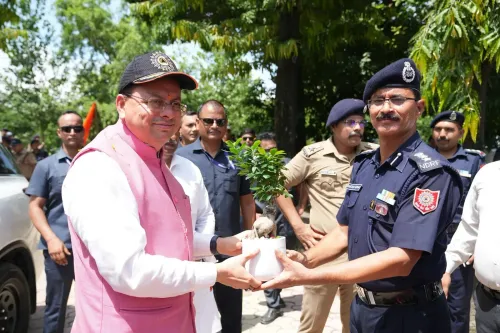
The Chief Minister planted a sapling inside the NDRF campus, linking afforestation to long-term disaster risk reduction.
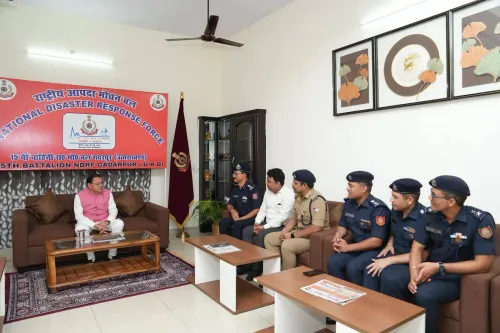
Senior NDRF officers briefed Dhami on the battalion's resources, training activities, and past rescue operations.
The visit was attended by Minister Pradeep Batra , multiple MLAs, the District Magistrate, SSP, and senior NDRF commandants.
In a state where the mountains themselves can turn lethal within minutes, Chief Minister Pushkar Singh Dhami walked into the National Disaster Response Force (NDRF) Battalion at Gadarpur on Friday, 31 July 2026 — and walked out with a pointed message: Uttarakhand's disaster machine must be faster, smarter, and better coordinated.
What Dhami Saw Inside the Gadarpur Battalion
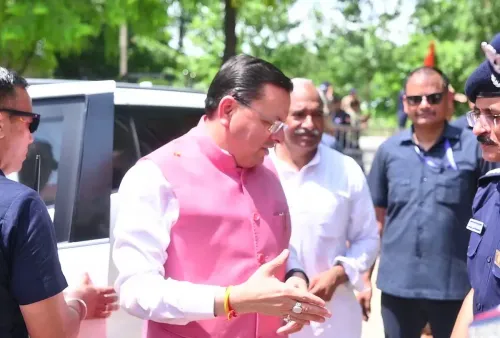
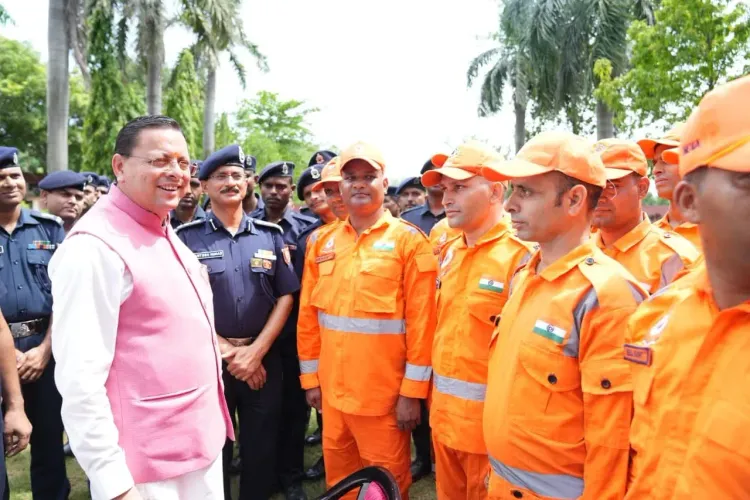
The inspection was part of a one-day Gadarpur–Rudrapur tour by the Chief Minister. Senior NDRF officers briefed CM Dhami on the battalion's operational workflow, available equipment, training schedules, and past rescue missions. Dhami held direct conversations with officers and jawans, pressing them on response protocols and inter-agency coordination — the two variables that most determine whether lives are saved in the critical first hours of a disaster.
The Chief Minister did not merely receive the briefing — he directed. He asked officials to prioritise 'aadhunik takneek, niyamit prashikshan aur vibhinn agencies ke beech behtar samanvay' (modern technology, regular training, and better coordination among agencies) so that relief and rescue operations can be executed more effectively when disaster strikes.
Uttarakhand's Perpetual Vulnerability
Uttarakhand is one of India's most disaster-exposed states — floods, cloudbursts, landslides, and earthquakes are not hypothetical risks but annual realities. The 2013 Kedarnath floods, which killed thousands and displaced hundreds of thousands more, remain the defining trauma that reshaped the state's entire approach to disaster preparedness. In the years since, Uttarakhand has worked to deepen coordination between the State Disaster Management Authority and central forces like the NDRF, which was established under the Disaster Management Act of 2005 and operates under the Ministry of Home Affairs.
Dhami acknowledged this reality plainly: 'Uttarakhand prakritik aapdaon ki drishti se atyant samvedansheel rajya hai' — Uttarakhand is an extremely sensitive state from the perspective of natural disasters. Institutions like the NDRF, he said, are indispensable to protecting lives and delivering rapid relief.
A Tree Planted, a Broader Argument Made
In a gesture that linked disaster preparedness to its environmental roots, CM Dhami planted a sapling inside the NDRF campus. He called tree plantation not merely an act of environmental conservation but 'aane wali peedhiyon ke surakshit bhavishy ki aadhaarshila' — the foundation of a secure future for coming generations. The framing is deliberate: in Himalayan terrain, forest cover is a frontline defence against the landslides and floods that trigger the very disasters NDRF is deployed to manage.
He called on all present to commit to planting more trees and ensuring their protection, describing environmental stewardship as a collective responsibility.
Who Was in the Room
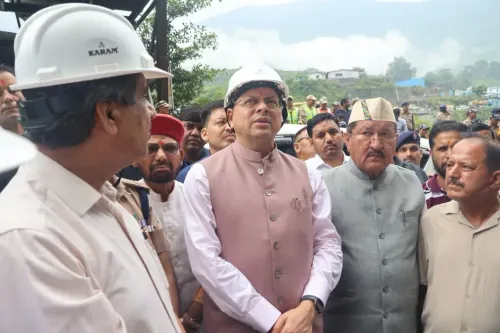
The visit drew a significant official presence. Minister-in-charge Pradeep Batra, MLAs Arvind Pandey, Shiv Arora, and Trilok Singh Cheema, and Mayor Deepak Bali attended alongside District Magistrate Nitin Singh Bhadauria, Senior Superintendent of Police Ajay Ganapati, Commandant Santosh Kumar, and Deputy Commandants Deepak Bhatt, Rajendra Joshi, Avnish Purohit, and Manoj Joshi. The turnout signals that this was not a routine photo-op — it was a structured review with the full district and force leadership in attendance.
With the monsoon season in full force, the timing of this inspection is its own statement: Uttarakhand is not waiting for the next disaster to ask whether it is ready.
Frequently Asked Questions
Why did CM Dhami visit the NDRF battalion in Gadarpur?
CM Pushkar Singh Dhami visited the NDRF Battalion in Gadarpur on 31 July 2026 to inspect its operational readiness, review disaster management preparations, and interact directly with officers and jawans about relief and rescue capabilities.
Where is the NDRF battalion that Dhami inspected?
The NDRF battalion is located in Gadarpur , a town in Udham Singh Nagar district of Uttarakhand, and is one of the force's regional bases in northern India.
What did CM Dhami say about Uttarakhand's disaster vulnerability?
Dhami stated that Uttarakhand is an extremely sensitive state from the perspective of natural disasters, making institutions like the NDRF indispensable for protecting lives and ensuring rapid relief and rescue.
What instructions did Dhami give to NDRF officials?
He directed officials to prioritise modern technology, regular training, and better coordination among different agencies so that disaster relief and rescue operations can be carried out more effectively.
Why did CM Dhami plant a tree at the NDRF campus?
Dhami planted a sapling as part of an afforestation drive, calling tree plantation not just an act of environmental conservation but the foundation of a secure future for coming generations — a message with direct relevance to reducing landslide and flood risks in Uttarakhand.