CM Dhami Credits Modi for Foiling 'Bangladesh-Style' Unrest Plot
Synopsis
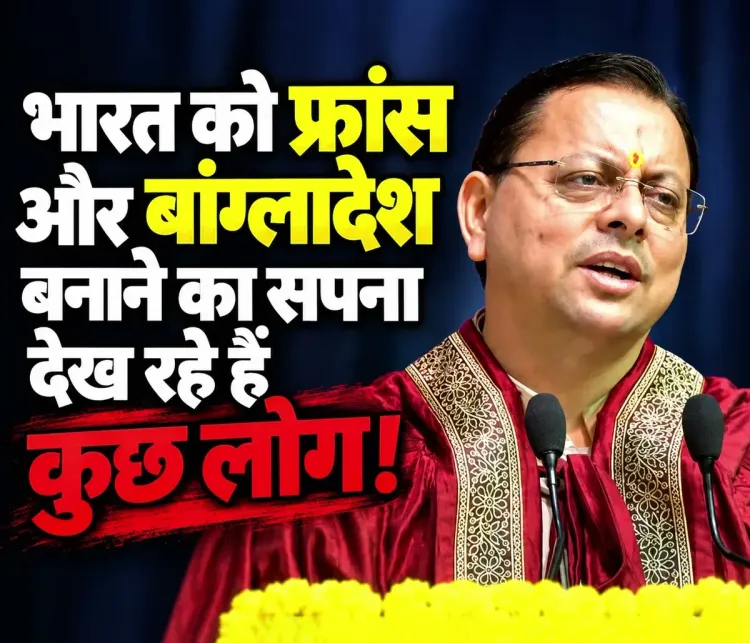
Uttarakhand CM Pushkar Singh Dhami alleged on October 22, 2026 that certain actors tried to engineer Bangladesh- and France-style youth unrest in India, and praised PM Narendra Modi for detecting and foiling the conspiracy in time.
Key Takeaways
Uttarakhand CM Pushkar Singh Dhami posted on X on October 22, 2026 alleging a plot to stoke youth unrest in India modelled on Bangladesh and France .
Dhami credited Prime Minister Narendra Modi with sensing the conspiracy early and neutralising it.
The 2024 Bangladesh student protests — which contributed to a change of government — are a recurring reference in BJP political messaging on domestic youth mobilisation.
The post names no specific group, incident, or location, leaving the allegations without publicly verifiable anchors.
The framing is consistent with a recurring BJP state-level messaging pattern that positions the central government as a bulwark against externally inspired domestic instability.
Opposition parties are likely to demand specifics, while BJP's counter-framing invokes national-security confidentiality.
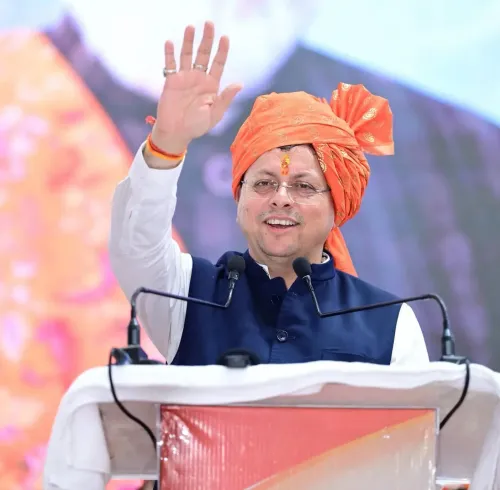
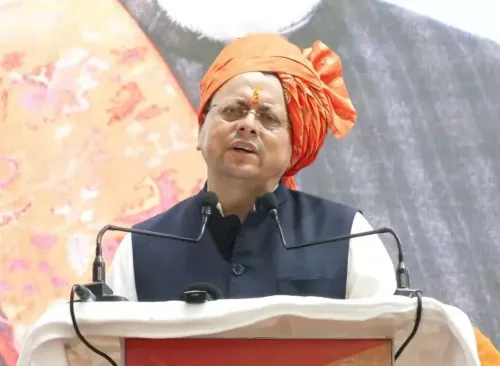
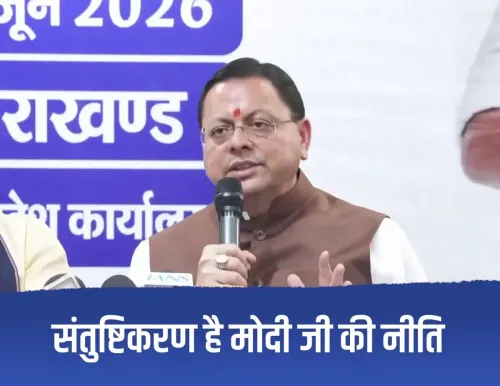
A sharp political warning landed on Thursday afternoon when Uttarakhand Chief Minister Pushkar Singh Dhami alleged on X that certain actors had been working to engineer France- and Bangladesh-style unrest among Indian youth — and credited Prime Minister Narendra Modi with detecting and dismantling the conspiracy before it could take hold.
Dhami wrote in Hindi: 'Kuch log yuvaon ko bargalakar Bharat mein France aur Bangladesh jaise haalaat paida karne ke sapne dekh rahe the' — ('Some people were dreaming of misleading the youth and creating conditions in India like those in France and Bangladesh') — adding that PM Modi 'sensed their intentions in time and threw cold water on their conspiracy.'
The Bangladesh and France reference — why these two
The choice of comparisons is deliberate and politically loaded. Bangladesh's 2024 student protests — which snowballed into a mass movement and ultimately contributed to a change of government — have become a recurring reference point in BJP political messaging when framing domestic youth mobilisation as a potential destabilisation threat. France's periodic episodes of street unrest, particularly among its youth, serve a similar rhetorical function.
By placing both in a single sentence, Dhami frames the alleged design as part of a recognisable international playbook: inflame student grievances, escalate street pressure, and force political rupture. The implicit message is that India was a target of that same script.
A pattern in BJP state-level messaging
BJP leaders at the state level have periodically issued statements on this theme, crediting the central government with neutralising externally inspired attempts to channel youth discontent. The framing positions PM Modi not just as an administrator but as a strategic early-warning system — someone who reads foreign-crisis playbooks and pre-empts them on Indian soil.
Dhami, who has led Uttarakhand since 2021, has been one of the more vocal BJP chief ministers on national-security and anti-infiltration narratives. This post continues that track record, amplifying a central-government message from a state-government platform.
What the opposition and political watchers will ask
The post names no specific group, incident, date, or location — leaving those details undefined. That absence will likely invite opposition demands for specifics: who exactly was 'misleading' the youth, what conspiracy was foiled, and what evidence supports the claim. Without those anchors, critics will argue the post is political signalling ahead of any upcoming assembly or local-body cycles rather than a factual disclosure.
The BJP's counter-argument, consistent with past messaging, is that naming operational details publicly would be counterproductive to national security — a framing that keeps the narrative difficult to directly rebut.
India's youth — the world's largest, with over 600 million people under 25 — remain both the country's greatest electoral constituency and its most watched pressure point. Any government that can credibly claim it protected that constituency from external manipulation holds a significant political asset. Whether Thursday's post marks the start of a broader coordinated message from BJP state capitals, or stands alone as a regional statement, will become clear in the days ahead.
Point of View
French unrest) to pre-emptively delegitimise domestic youth discontent as foreign-inspired rather than home-grown. By crediting Modi personally with the foiling, the statement doubles as a loyalty signal and a campaign asset, reinforcing the Prime Minister's image as a strategic protector. The absence of specifics is a political choice, not an oversight: vague threat-claims are harder to fact-check and easier to sustain. Watch whether this becomes a coordinated multi-state BJP talking point in the run-up to any forthcoming electoral cycle.
NationPress
22 Oct 2026
Frequently Asked Questions
What did Uttarakhand CM Dhami say about Bangladesh-style unrest in India?
CM Dhami alleged on October 22, 2026 that certain unspecified actors were trying to mislead Indian youth and replicate Bangladesh- and France-style unrest in India, but that PM Modi detected and foiled the conspiracy in time.
Why does BJP reference the Bangladesh 2024 protests?
The 2024 Bangladesh student protests contributed to a change of government there and have become a recurring reference in BJP messaging to illustrate how youth mobilisation can destabilise a country — a scenario the party claims it is guarding India against.
Who did Dhami credit with stopping the alleged conspiracy?
Dhami specifically credited Prime Minister Narendra Modi, saying he sensed the conspirators' intentions in time and 'threw cold water' on their plans.
Did Dhami name the group or people behind the alleged plot?
No. The post did not name any specific individual, organisation, incident, or location, leaving the allegations without publicly verifiable details.
Is this a new BJP stance or part of a broader pattern?
It is part of a recurring pattern. BJP leaders at state and central levels have periodically framed domestic political challenges and youth discontent as externally inspired conspiracies, crediting the Modi government with neutralising them.