CM Dhami Hits Out at Opposition After Gairsain Session
Synopsis
Uttarakhand CM Pushkar Singh Dhami announced that for the first time in the state's history, two assembly sessions were held at Gairsain in a single year, while criticising the opposition for disrupting legislative proceedings.
Key Takeaways
Uttarakhand held two assembly sessions at Gairsain (Bhararisain) in a single year — claimed as a first in state history.
CM Pushkar Singh Dhami cited this as proof of his government's five-year commitment to hill-region development.
Gairsain was declared Uttarakhand's summer capital in 2020 ; the first assembly session there was held in 2022 .
Dhami accused the opposition of repeatedly disrupting House proceedings instead of engaging on public issues.
The Gairsain push addresses a decades-old demand from hill communities who see Dehradun as a plains-centric capital.
Future budget sessions and infrastructure investment at Gairsain will indicate whether the commitment deepens further.
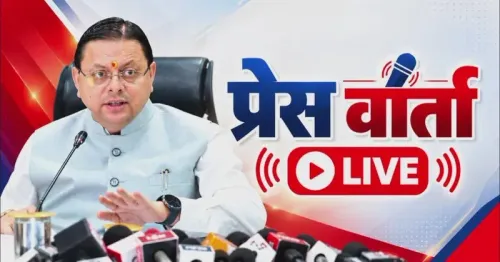
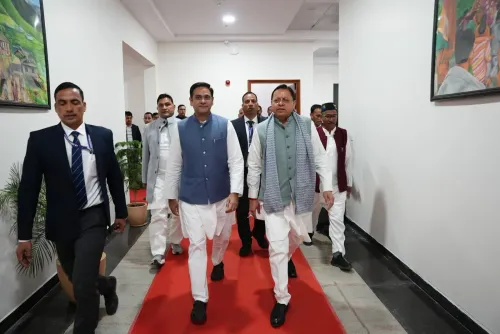
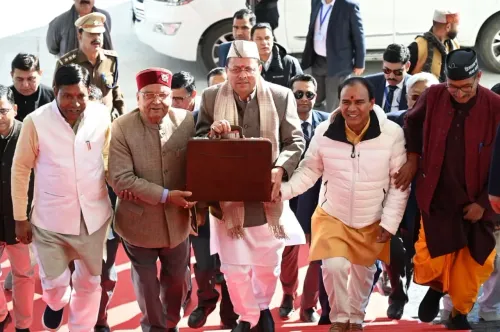
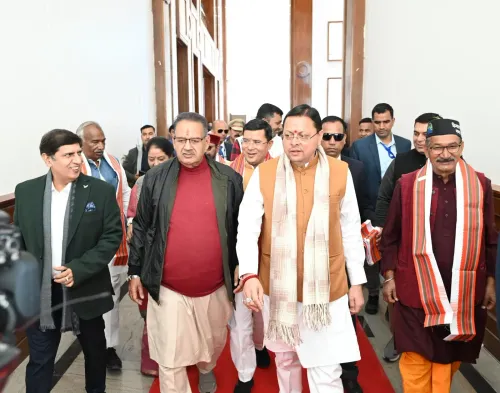
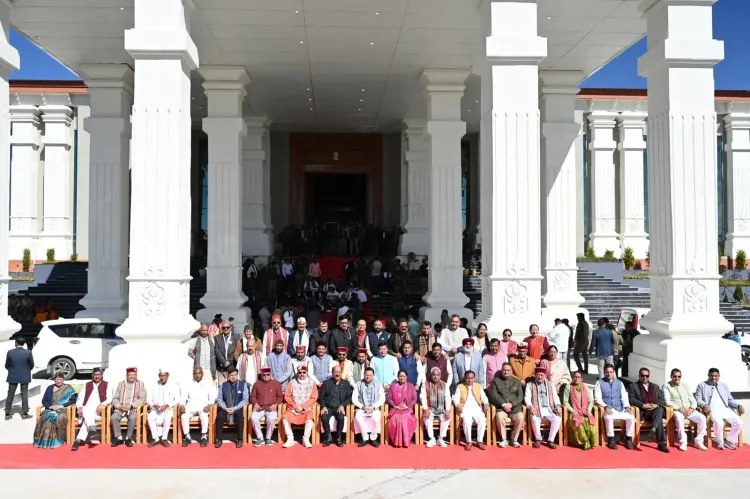
For the first time in Uttarakhand's history, a state government has convened two legislative assembly sessions in a single year at Gairsain (Bhararisain) — and Chief Minister Pushkar Singh Dhami wants every citizen to know exactly what that means. In a pointed post on Wednesday, October 28, 2026, Dhami marked the milestone while firing a sharp broadside at the opposition for disrupting proceedings.
Dhami's statement, originally in Hindi, declared: 'For the first time in the state's history, a government has organised two assembly sessions in Gairsain (Bhararisain) in a single year. Our government has given special priority to Gairsain over the past five years. This is proof of our commitment to Gairsain's development and respect for the sentiments of the people of the state.'
Gairsain's Long Road to the Assembly Stage
Gairsain, a small town in Chamoli district nestled deep in the Uttarakhand hills, has carried an outsized political significance since the state was carved out of Uttar Pradesh in 2000. For decades, hill communities argued that a capital in the plains — Dehradun — left them structurally sidelined. Gairsain was their answer: centrally located, symbolically powerful, a capital that would actually belong to the mountains.
The push paid off incrementally. In 2020, the state government formally declared Gairsain its summer capital. The Dhami administration then held the first assembly session there in 2022 — a moment that registered as a real shift, not just symbolism. The claim of two sessions in one calendar year, if it holds, would mark a further deepening of that commitment.
The Floor Fight: Dhami's Charge Against the Opposition
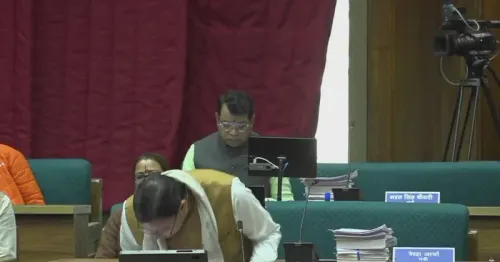
Dhami did not keep the victory lap purely celebratory. The assembly session, by his account, was marred by sustained opposition disruptions. 'It is unfortunate,' he said, 'that instead of fulfilling their responsibilities, the opposition continuously created uproar and obstructed the proceedings of the House.'
The rebuke was direct: 'The public has sent its representatives to the House to solve their problems — not to damage the dignity of democratic institutions by creating uproar.' He drew a line between legitimate political opposition and what he framed as the deliberate derailment of legislative work, adding that 'no compromise on the development of the state and the interests of the people can be accepted at any cost.'
Why the Gairsain Bet Still Matters Politically
For the BJP in Uttarakhand, Gairsain is more than an administrative venue — it is a political signal to the hill districts that form the state's demographic and emotional backbone. The plains-hills imbalance is a grievance with genuine policy teeth: infrastructure gaps, out-migration, and a sense that governance decisions are made far from where their consequences land.
By scheduling sessions there — and now claiming a historic double in a single year — Dhami anchors his government's narrative firmly in that hill-first framing. The simultaneous attack on opposition conduct follows a pattern well-established in Indian state politics: pair an institutional achievement with a contrast that puts the rival party on the defensive ahead of budget and legislative cycles.
The real test will come in whether Gairsain sees accompanying infrastructure investment — roads, housing for legislators and staff, digital connectivity — that makes it a functional seat of power rather than a periodic showcase. That is the question hill residents will be watching.
Point of View
The durability of this political capital depends on whether Gairsain receives the functional infrastructure to sustain regular governance, or remains a high-visibility visit rather than a working capital. The opposition's response — and whether it can articulate an alternative hill-development narrative — will define how this exchange plays out in public opinion.
NationPress
28 Oct 2026
Frequently Asked Questions
Why is Gairsain important to Uttarakhand?
Gairsain is a town in Chamoli district that hill communities have long demanded as the state capital, arguing it is more centrally located and representative of hill areas than Dehradun. It was declared Uttarakhand's summer capital in 2020.
How many times has the Uttarakhand assembly met in Gairsain?
The first assembly session at Gairsain was held in 2022 under the Dhami government. CM Dhami now claims that two sessions have been held there in a single calendar year — described as a first in state history.
What did CM Dhami say about the opposition in the Gairsain session?
Dhami accused the opposition of creating repeated uproar and obstructing assembly proceedings instead of engaging on public interest issues, saying the people elected representatives to solve problems, not to disrupt democratic institutions.
When was Gairsain declared Uttarakhand's summer capital?
Gairsain (Bhararisain) was declared the summer capital of Uttarakhand in 2020.
What is the significance of holding assembly sessions outside Dehradun?
Holding sessions in Gairsain addresses a longstanding demand from hill districts that governance decisions be made closer to where they are felt. It signals political priority for mountain communities who have historically felt marginalised by a plains-based administration.