CM Dhami Vows Strict Action Over Badrinath Temple Incident
Synopsis
Chief Minister Pushkar Singh Dhami has declared the Badrinath Temple incident graver than cow slaughter, vowing strict action and rejecting political interference. The statement reflects Uttarakhand's firm governance stance on temple sanctity and religious-site security.
Key Takeaways
CM Pushkar Singh Dhami stated on 15 July 2026 that the Badrinath Temple matter is not a subject for politics.
He described the incident as 'a sin greater than cow slaughter,' placing it in the highest register of moral gravity.
The Chief Minister pledged that the state will 'neither protect crime nor criminals' in connection with the case.
The Char Dham Devasthanam Board , constituted in 2020 , oversees administration and security at Badrinath and other major temples.
Uttarakhand strengthened cow-protection and animal husbandry laws between 2018 and 2019 , reflecting the state's broader religious-governance policy.
The outcome of any official inquiry and potential follow-up action by state police or the temple board will be closely monitored.
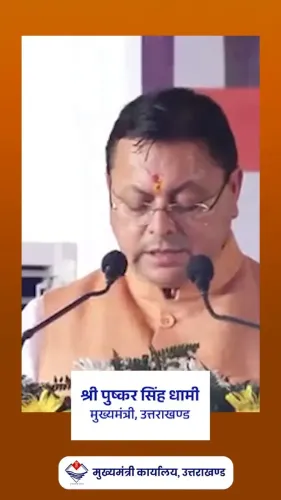
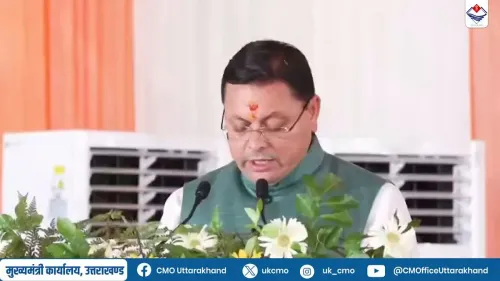
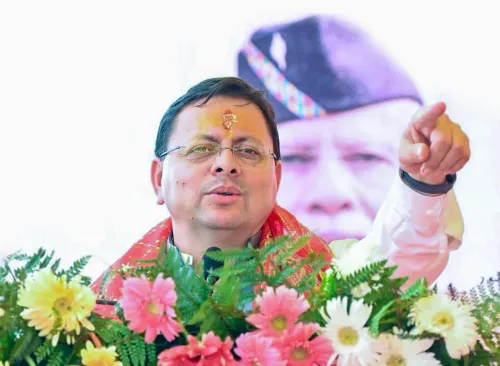
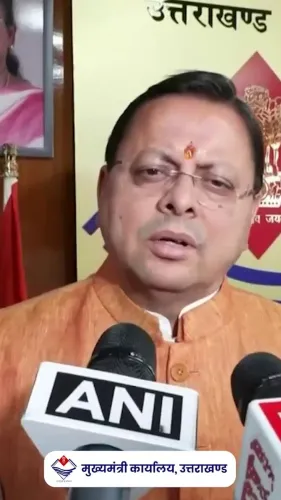
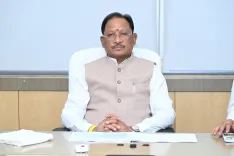
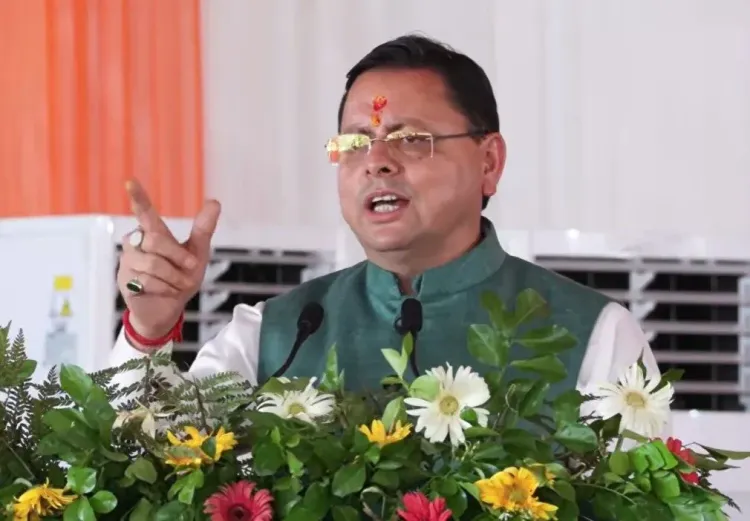
The Chief Minister's Office of Uttarakhand on Wednesday, 15 July 2026, shared a strong statement from Chief Minister Pushkar Singh Dhami asserting that the Badrinath Temple incident is not a matter for political point-scoring and that the state government has ensured strict action in the case.
Context
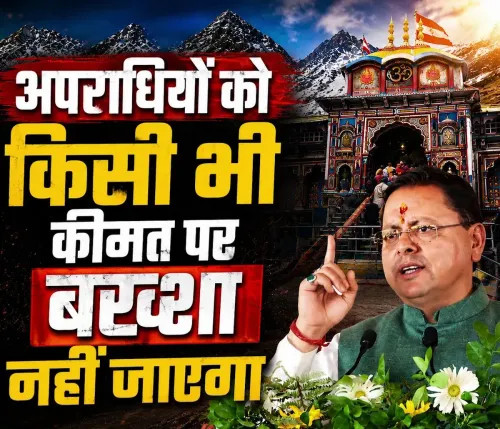
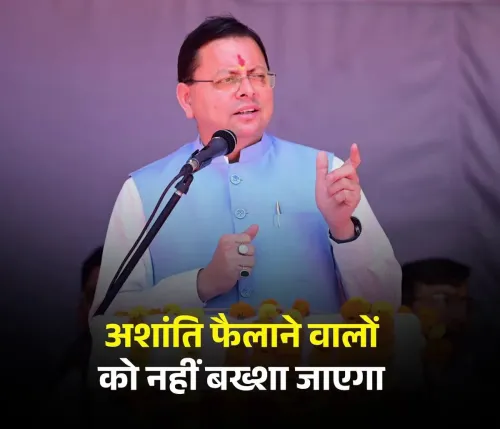
In the statement shared by the CMO, CM Dhami declared: 'The Badrinath Temple matter is not a subject for politics. It is a sin greater than cow slaughter. We have ensured strict action on it. We will neither protect crime nor criminals.' The remarks signal a firm administrative stance amid what appears to be a controversy surrounding the sacred Char Dham pilgrimage site in Uttarakhand.
The Chief Minister's invocation of cow slaughter — among the gravest moral offences in the Hindu tradition — as a comparative benchmark underscores the severity with which the state government is treating the alleged incident at Badrinath. By framing it as 'greater than cow slaughter,' Dhami placed the matter in the highest register of religious and moral concern.
Policy Backdrop
The Uttarakhand government constituted the Char Dham Devasthanam Board in 2020 to centralise the administration and security oversight of major temples, including Badrinath. The move was intended to professionalise temple management and ensure accountability across the state's most significant pilgrimage destinations.
The state has also progressively strengthened animal husbandry and cow-protection laws, with enhanced penalties introduced between 2018 and 2019. These legislative steps reflect the BJP-led government's consistent policy of linking temple sanctity with visible law-and-order enforcement — a pattern now visible again in Dhami's statement.
Stakeholders and Impact
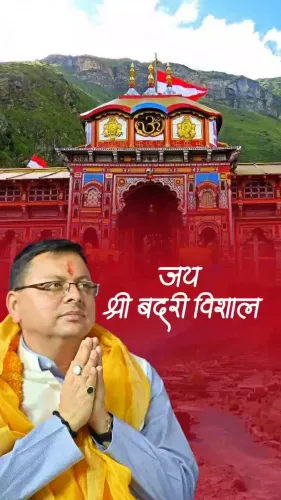
The Badrinath Temple, situated in the Chamoli district of Uttarakhand, draws hundreds of thousands of pilgrims annually as one of the four sacred Char Dham sites. Any incident involving the temple's sanctity carries enormous religious and reputational weight for the state, which positions itself as the 'Devbhoomi' — the land of the gods.
Temple priests, local religious bodies, and the vast pilgrim community are the primary stakeholders watching how the administration responds. The Chief Minister's public commitment to 'strict action' is aimed directly at reassuring this constituency that the state will not allow the incident to be minimised or politicised.
What's Next
The outcome of any official inquiry into the Badrinath Temple incident will be closely watched, including whether the state police or the Char Dham Devasthanam Board takes further administrative or legal measures. CM Dhami's explicit warning against shielding criminals suggests arrests or departmental action may already be under way or imminent.
If the government follows through with the promised accountability, it could set a precedent for how temple-related incidents are handled across Uttarakhand's broader network of pilgrimage sites — reinforcing the state's governance model around religious infrastructure and security.
Point of View
He simultaneously elevates the seriousness of the offence and signals zero-tolerance enforcement, all while explicitly rejecting partisan exploitation of the issue. The move fits a well-established pattern in BJP-governed states of combining visible law-and-order messaging with the defence of religious sites to consolidate the trust of the pilgrim community and the broader Hindu electorate. The explicit distancing from 'politics' is itself a political act, designed to pre-empt opposition criticism and project administrative decisiveness. How swiftly the promised strict action materialises will determine whether the statement becomes a governance milestone or a rhetorical moment.
NationPress
15 Oct 2026
Frequently Asked Questions
What happened at Badrinath Temple in 2026?
The Chief Minister's Office of Uttarakhand has not disclosed specific details of the incident publicly; CM Dhami's statement confirms that an incident occurred at Badrinath Temple and that the state has ensured strict action, describing it as graver than cow slaughter.
What did CM Dhami say about the Badrinath Temple incident?
CM Pushkar Singh Dhami said the Badrinath Temple matter is 'not a subject for politics,' called it 'a sin greater than cow slaughter,' and pledged that the government will neither protect crime nor criminals.
Who manages the Badrinath Temple?
The Badrinath Temple is managed under the Char Dham Devasthanam Board, constituted by the Uttarakhand government in 2020 to centralise administration and security of major pilgrimage sites.
What are Uttarakhand's cow protection laws?
Uttarakhand strengthened its animal husbandry and cow-protection laws between 2018 and 2019, enhancing penalties for violations as part of the BJP-led state government's religious-governance policy.
Will there be an inquiry into the Badrinath Temple case?
CM Dhami's statement indicates strict action has already been initiated; the outcome of any formal inquiry by state police or the Char Dham Devasthanam Board is expected to be announced in the coming days.