PM Modi in Tashkent: Indian diaspora a living bridge between India and Uzbekistan
Synopsis
On his fourth visit to Uzbekistan, PM Modi was welcomed in Tashkent not just by President Mirziyoyev at the airport, but by the Indian diaspora tying rakhi on his wrist and performing Tabla-Doira fusion music — a layered diplomatic signal that India's Central Asia strategy is as much about people as it is about policy.
Key Takeaways
PM Modi arrived in Tashkent on 30 August for a two-day State Visit — his fourth trip to Uzbekistan.
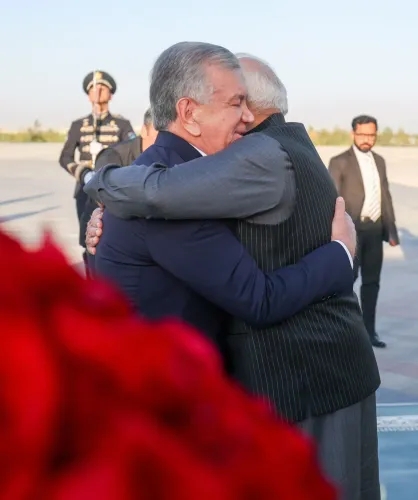
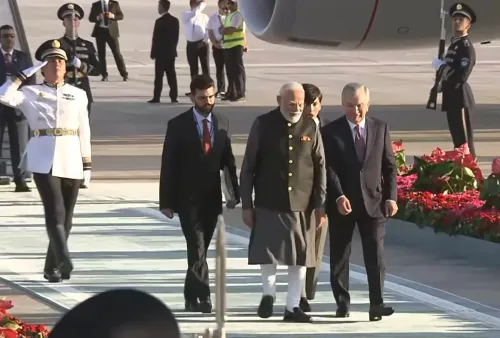
Uzbekistan President Shavkat Mirziyoyev personally received Modi at the airport, a gesture highlighting 12 years of growing bilateral ties.
Modi called the Indian diaspora a 'living bridge' between India and Uzbekistan after a warm community reception in Tashkent.
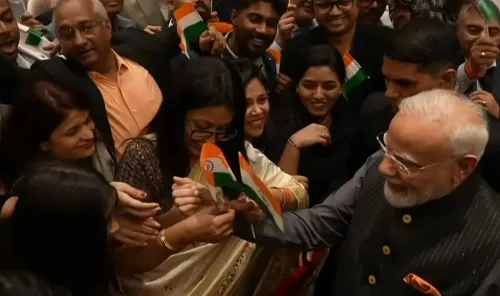
Women from the Indian community tied a rakhi on Modi's wrist during the diaspora event.
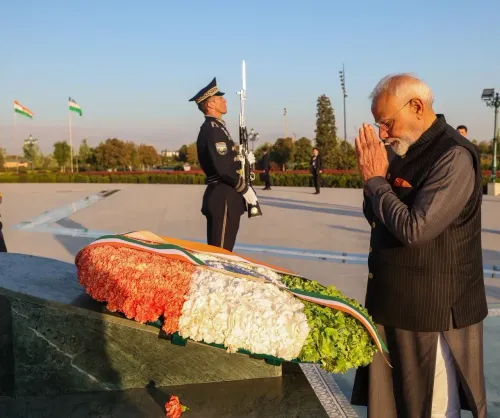
Both leaders laid a wreath at the Yangi Uzbekistan Monument and viewed cultural artwork at Yangi Uzbekistan Park .
Formal bilateral talks are expected to cover trade, defence, connectivity, and cultural cooperation.
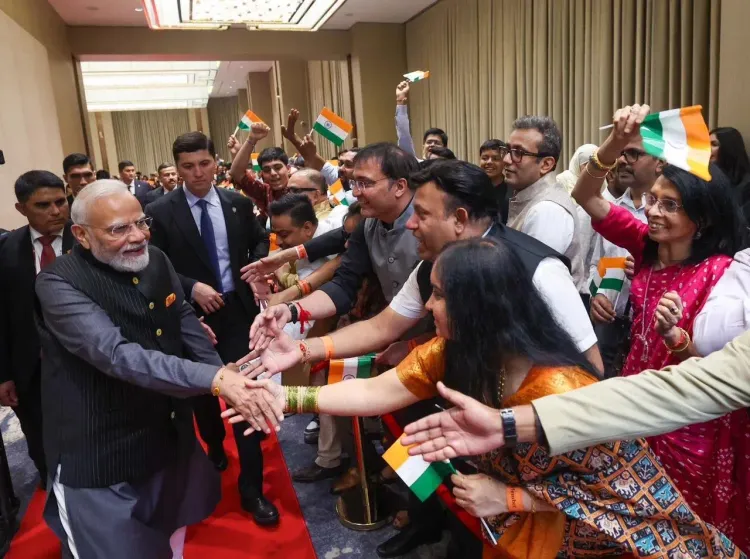
Prime Minister Narendra Modi on Saturday, 30 August called the Indian diaspora a 'living bridge' between India and Uzbekistan, as he was received by a large gathering of the Indian community in Tashkent during his two-day State Visit to the Central Asian nation. The warm reception underscored the deepening people-to-people ties between the two countries.
Diaspora Welcome and Cultural Connect
Modi was greeted with considerable warmth by members of the Indian community in Tashkent. 'Overwhelmed by the warmth and affection of the Indian community in Tashkent. Our diaspora is a living bridge between India and Uzbekistan, strengthening the bonds of friendship between our nations,' the Prime Minister said in a post on social media platform X.
In a particularly poignant moment, a few women from the Indian community tied a rakhi on Modi's wrist as he greeted the gathering. He also watched cultural performances by children and shook their hands after the show, visibly engaged throughout the event.
Fusion of Indian and Uzbek Musical Traditions
The welcome programme featured an Indian-Uzbek fusion cultural performance that drew appreciation from the Prime Minister. 'A captivating fusion of Indian and Uzbek musical traditions! The Tabla blends beautifully with the Doira and Chang, showcasing the deep cultural connect between India and Uzbekistan,' Modi wrote on X, sharing a glimpse of a Tabla performance.
The blending of the Indian Tabla with the Uzbek Doira and Chang was widely seen as a symbolic representation of the cultural affinity the two nations have cultivated over centuries of historical exchange along the Silk Road.
Wreath-Laying at Yangi Uzbekistan Monument
Upon arrival in Tashkent, Modi was accompanied by Uzbekistan President Shavkat Mirziyoyev to the Yangi Uzbekistan Monument, where he laid a wreath. 'The Yangi Uzbekistan Monument reflects the aspirations and progress of the Uzbek people. Glad to begin my visit by coming here,' Modi noted on X.
Both leaders also examined artwork representing Uzbek culture and history at Yangi Uzbekistan Park, with Modi describing the experience as a fitting start to his visit.
Presidential Welcome and Bilateral Significance
In a notable diplomatic gesture, President Mirziyoyev personally travelled to the airport to receive Modi — a mark of the strong bilateral relationship that has grown considerably over the past 12 years. 'Landed in Tashkent to a warm welcome by President Shavkat Mirziyoyev. Grateful to him for the special gesture. This is my fourth visit to Uzbekistan, reflecting the depth and growing momentum of our bilateral relations,' Modi posted on X.
This is Modi's fourth visit to Uzbekistan, a frequency that underscores the strategic importance New Delhi places on its Central Asia outreach, particularly as India seeks to strengthen connectivity and trade links through the International North-South Transport Corridor and other regional frameworks.
What Comes Next
The two-day State Visit is expected to include formal bilateral talks between Modi and Mirziyoyev, with discussions likely spanning trade, defence cooperation, connectivity, and cultural ties. The diaspora engagement on the first day sets a people-first tone for the visit, signalling that India views its overseas community as a strategic asset in foreign policy outreach.
Point of View
And every bilateral visit adds diplomatic weight to those infrastructure negotiations. The rakhi moment and the Tabla-Doira fusion are optics, but the real deliverables will be in the bilateral agreements signed before Modi departs.
NationPress
30 Aug 2026
Frequently Asked Questions
Why did PM Modi visit Tashkent in August 2025?
PM Modi travelled to Tashkent on 30 August for a two-day State Visit to Uzbekistan, his fourth trip to the Central Asian nation. The visit aims to deepen bilateral ties spanning trade, defence, connectivity, and cultural exchange.
What did PM Modi say about the Indian diaspora in Uzbekistan?
Modi described the Indian diaspora as a 'living bridge' between India and Uzbekistan, saying it strengthens the bonds of friendship between the two nations. He made the remarks after being greeted by a large gathering of the Indian community in Tashkent.
How did Uzbekistan President Mirziyoyev receive PM Modi?
President Shavkat Mirziyoyev personally travelled to Tashkent airport to receive PM Modi — an uncommon diplomatic gesture that officials and observers noted as a reflection of the strong personal rapport and growing bilateral relationship built over 12 years.
What happened at the Yangi Uzbekistan Monument?
PM Modi and President Mirziyoyev jointly laid a wreath at the Yangi Uzbekistan Monument shortly after Modi's arrival. They also visited Yangi Uzbekistan Park, where they examined artwork representing Uzbek culture and history.
What is the significance of this being Modi's fourth visit to Uzbekistan?
Four visits underscores the strategic priority India places on Central Asia, a region where New Delhi is seeking to expand trade, connectivity, and diplomatic influence. Uzbekistan is a key partner in India's outreach to the region, particularly through frameworks like the International North-South Transport Corridor.