Are DMK and DMDK Negotiating Seat-Sharing for TN Assembly Polls?
Synopsis
As the Tamil Nadu Assembly elections approach, the DMK engages in critical seat-sharing talks with the DMDK. With negotiations heating up, will the DMDK strengthen the DMK's political framework or explore other alliances? Discover the latest developments in this evolving political landscape.
Key Takeaways
DMK and DMDK are in seat-sharing negotiations.
The DMK has offered seven seats to DMDK.
DMDK is demanding up to 14 seats.
DMK aims to contest 170 seats in total.
Negotiations with NDA are ongoing for DMDK.
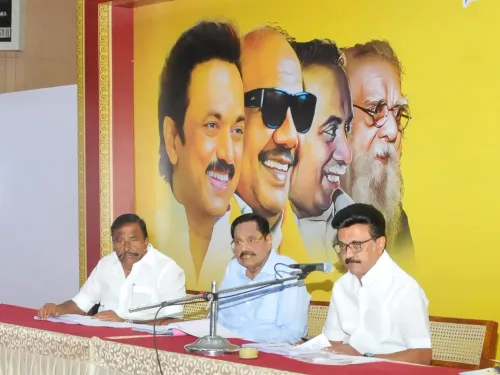
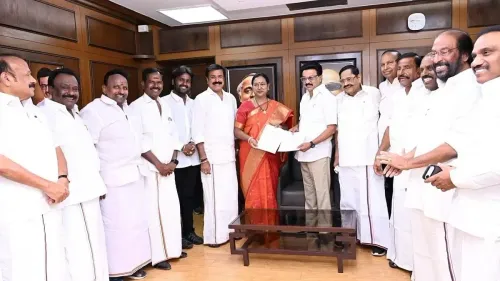
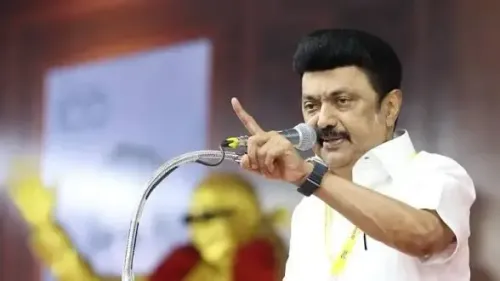
Chennai, Feb 5 (NationPress) The Desiya Murpokku Dravida Kazhagam (DMDK) has emerged as a significant partner in the preparations of the Dravida Munnetra Kazhagam (DMK) for the forthcoming Tamil Nadu Assembly elections. Both parties are currently involved in active discussions regarding seat-sharing and long-term political collaboration.
The DMK, aiming to solidify its electoral strategy well ahead of time, has purportedly proposed seven Assembly constituencies to the DMDK, along with a Rajya Sabha seat that is expected to become available in April.
This offer is perceived as part of the ruling party's extensive plan to enhance its alliance framework while maintaining a substantial portion of seats for itself.
Nevertheless, the DMDK is believed to have requested a more substantial allocation, seeking as many as 14 Assembly seats.
Simultaneously, the party is keeping its options flexible by engaging in discussions with the NDA, creating an air of uncertainty around the negotiations.
Despite this, DMK leaders express confidence that a consensus will be achieved shortly.
The ruling party is eager to finalize alliance details swiftly so it can advance its organizational efforts. They aim to conclude the Special Intensive Revision (SIR) of electoral rolls before officially wrapping up seat distributions with their partners.
According to party insiders, the DMK plans to contest at least 170 out of the 234 Assembly seats, slightly fewer than the 173 seats it ran for in the 2021 elections, indicating its confidence in safeguarding its incumbency.
While DMDK negotiations are in focus, the DMK has also discreetly explored additional political avenues to expand its coalition.
Among these is the expelled AIADMK leader O. Panneerselvam. Initial talks considered whether he might establish a separate party or form a direct alliance with the DMK.
However, internal evaluations suggested that his capacity to attract votes may be limited, diminishing the urgency for such a collaboration.
Communication lines remain open, and with numerous negotiations in progress, the DMK leadership appears dedicated to forming a pragmatic and numerically robust coalition rather than pursuing purely symbolic partnerships.
The upcoming days will reveal whether the DMDK becomes a vital component of the ruling coalition or opts for a different political direction.
Point of View
The ongoing negotiations between the DMK and DMDK highlight the dynamic nature of regional politics in India. The outcome of these talks may significantly influence the electoral landscape in Tamil Nadu. As the political climate evolves, maintaining a pragmatic approach in alliances will be essential for the DMK to retain its power.
NationPress
11 Oct 2026
Frequently Asked Questions
What is the significance of the DMK-DMDK negotiations?
The negotiations are crucial as they could determine the electoral strategy for the upcoming Tamil Nadu Assembly elections, potentially impacting the overall political landscape.
How many seats is the DMK offering to the DMDK?
The DMK has reportedly offered the DMDK seven Assembly constituencies and a Rajya Sabha seat.
What is the DMDK's demand in this negotiation?
The DMDK is seeking a larger share, requesting up to 14 Assembly seats.
Is the DMDK considering other political alliances?
Yes, the DMDK is also engaging in discussions with the NDA, keeping its options open.
What is the DMK's plan regarding the Assembly seats?
The DMK aims to contest at least 170 of the 234 Assembly seats, reflecting its confidence in defending its incumbency.