Tamil Nadu borrowings fell 21%: DMK's Thennarasu questions fiscal claims
Synopsis
DMK's Thangam Thennarasu has turned Tamil Nadu's 21% borrowing decline into a political flashpoint — arguing it may mask stalled projects, unpaid contractors and a revenue shortfall, not fiscal strength. His demand for CAG-level capex transparency, set against a proposed Q3 borrowing spike of ₹48,000 crore, puts the TVK government's fiscal narrative under serious scrutiny.
Key Takeaways
Thangam Thennarasu (DMK MLA and former finance minister) challenged the TVK government's fiscal management claims on 20 October 2026 .
Tamil Nadu's government securities borrowings fell to ₹40,500 crore in April–September 2026 , down 21% from ₹51,300 crore a year earlier.
The state has proposed borrowing ₹48,000 crore in October–December 2026 — more than twice the ₹23,500 crore raised in the preceding quarter.
CAG provisional accounts show ₹13,002.22 crore was spent on capital projects (including Metro rail ) in April–September 2025 under the DMK government.
Thennarasu demanded disclosure of current capital expenditure, new infrastructure investments, and dues owed to contractors for projects launched under the previous DMK regime.
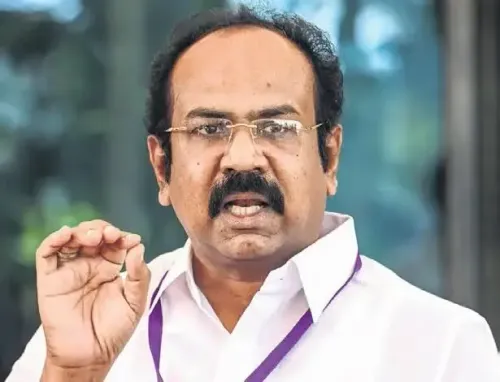
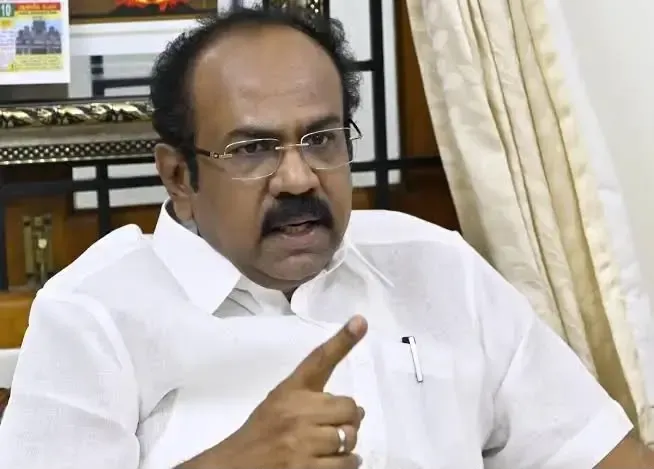
Thangam Thennarasu, DMK MLA and former finance minister of Tamil Nadu, on Tuesday, 20 October 2026, challenged the ruling TVK government's assertion of improved fiscal management, arguing that a 21 per cent decline in borrowings could just as easily signal stalled development projects and unpaid contractors rather than genuine fiscal discipline. The remarks sharpen the political fault lines over Tamil Nadu's economic governance as the state heads into the second half of the financial year.
The Borrowing Numbers in Question
According to figures cited by the TVK government, borrowings through government securities fell to ₹40,500 crore during April–September 2026, down from ₹51,300 crore in the same period a year earlier — a reduction of roughly ₹10,800 crore. The administration presented this as evidence of tighter fiscal control.
Thennarasu disputed the interpretation, insisting that lower borrowing in isolation cannot establish better financial management. The government must explain, he said, whether it maintained spending on development projects and cleared dues for completed works during this period.
The Contractors and Capital Expenditure Argument
'Can unpaid dues be treated as savings?' Thennarasu asked, questioning whether the administration can legitimately claim fiscal discipline while allegedly delaying projects and withholding contractors' payments. He demanded a detailed public disclosure of capital expenditure, infrastructure investment, and outstanding bills.
For context, he cited provisional monthly accounts of the Comptroller and Auditor General (CAG), which showed that ₹13,002.22 crore had been spent on capital projects — including Metro rail works — between April and September 2025 under the previous DMK administration. He called on the TVK government to release comparable figures for the current April–September period.
Q3 Borrowing Plan Raises Eyebrows
Thennarasu also flagged the government's third-quarter borrowing programme as internally inconsistent with its fiscal discipline narrative. The TVK government has proposed raising ₹48,000 crore during October–December 2026 — more than twice the ₹23,500 crore borrowed in the preceding quarter. He argued that such a sharp jump suggests revenue receipts have fallen short of Budget projections, forcing the administration to lean heavily on borrowings in the latter half of the year.
He further alleged that tenders worth thousands of crores had been cancelled, construction activity had stalled, roads had deteriorated, and thousands of jobs had been lost as a consequence.
DMK's Benchmark and Political Context
Seeking a comparison with the previous administration, Thennarasu noted that the DMK government had earmarked ₹57,231 crore for capital expenditure in its 2025–26 Budget. He asked the TVK government to identify investments in new infrastructure and disclose payments pending for projects that were launched under DMK's tenure.
This is not the first time opposition leaders have questioned a state government's fiscal narrative by separating borrowing levels from expenditure quality — a distinction economists broadly endorse. The debate reflects a wider national conversation about whether reduced market borrowings represent genuine consolidation or simply deferred obligations.
What Thennarasu Wants
The former minister urged the TVK government to furnish a transparent, comprehensive account of its finances — covering capital spending, infrastructure outlays, and dues owed to contractors. He maintained that only such a disclosure could establish whether the borrowing decline represents improved fiscal management or merely deferred spending on essential development works. The government is yet to formally respond to his demands.
Point of View
By themselves, a measure of fiscal health if they are accompanied by unpaid bills and deferred capex. The proposed Q3 borrowing jump to ₹48,000 crore, after a quiet first half, suggests the year's spending has simply been back-loaded, not reduced. The Tamil Nadu government's failure to release granular CAG-comparable expenditure data for the current period is itself a transparency gap the TVK administration should address on merit, regardless of political motive. The broader lesson from state finances across India is consistent: headline borrowing numbers mislead when not paired with capital spending and arrears data.
NationPress
20 Oct 2026
Frequently Asked Questions
Why did Thangam Thennarasu challenge Tamil Nadu's borrowing decline claim?
Thennarasu argued that a 21% fall in government securities borrowings — from ₹51,300 crore to ₹40,500 crore in April–September 2026 — does not prove improved fiscal management unless the government also shows it maintained capital expenditure and cleared contractor payments. He alleged the decline may instead reflect stalled projects and deferred obligations.
What is Tamil Nadu's borrowing plan for October–December 2026?
The TVK government has proposed raising ₹48,000 crore in October–December 2026, more than double the ₹23,500 crore borrowed in the preceding quarter. Thennarasu cited this as evidence that revenue receipts have fallen short of Budget projections.
What capital expenditure benchmark did Thennarasu cite?
He referred to CAG provisional accounts showing the previous DMK government spent ₹13,002.22 crore on capital projects, including Metro rail works, between April and September 2025. He asked the TVK government to release comparable figures for the same period in 2026.
What disclosures is Thennarasu demanding from the Tamil Nadu government?
He has called for a detailed public account of capital expenditure, new infrastructure investments, and dues still owed to contractors for projects launched under the DMK administration. He says only such transparency can confirm whether lower borrowings represent genuine fiscal discipline.
How much did the DMK government budget for capital expenditure in 2025–26?
The DMK government earmarked ₹57,231 crore for capital expenditure in its 2025–26 Budget. Thennarasu cited this figure to set a benchmark against which the current TVK government's spending should be measured.