Dr. Jitendra Singh Reviews Special Swachhata Campaign 6.0 Prep
Synopsis
Union Minister Dr. Jitendra Singh reviewed preparedness for Special Swachhata Campaign 6.0, targeting over 1,500 S&T and 100 Earth Sciences cleanliness sites nationwide from October 2 to 31, with the minister personally launching the drive in New Delhi on Gandhi Jayanti.
Key Takeaways
Special Swachhata Campaign 6.0 runs from October 2 to October 31 across central government S&T institutions nationwide.
The Ministry of Science and Technology has set a target of over 1,500 cleanliness campaign sites for the drive.
The Ministry of Earth Sciences has committed to over 100 cleanliness campaign sites , bringing the combined target to over 1,600 sites .
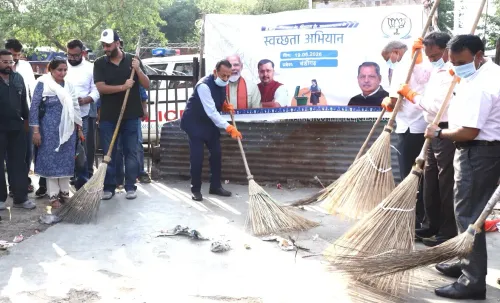
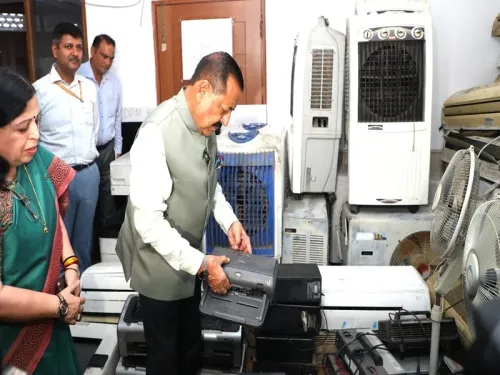
Jitendra Singh will personally launch the drive in the national capital on October 2 , focusing on scrap removal, e-waste segregation and disposal, and old file shredding.
The campaign is part of the broader Swachh Bharat Mission framework, which has guided central-government office cleanliness drives since 2014 .
All S&T institutions across India are expected to participate in the month-long initiative.
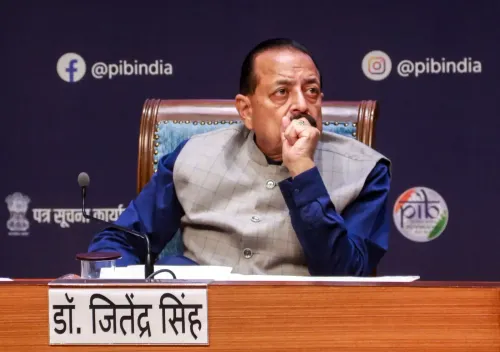
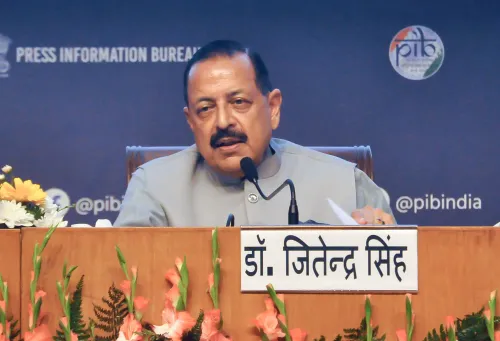
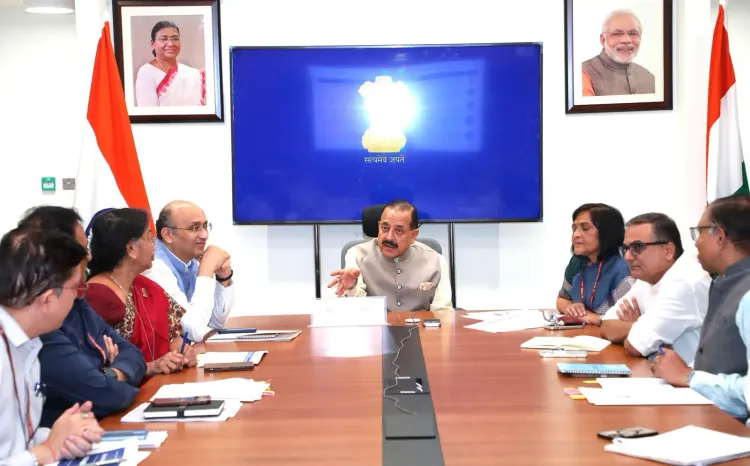
India's science and technology establishment is gearing up for its most expansive annual cleanliness push yet. Union Minister of State (Independent Charge) for Science and Technology and Earth Sciences Dr. Jitendra Singh on Wednesday, September 30 chaired a preparedness review for Special Swachhata Campaign 6.0 — a month-long nationwide drive scheduled to run from October 2 to October 31 — alongside Secretaries and senior officers of the Science Ministries and Departments.
Over 1,600 cleanliness sites across two science ministries
The numbers tell the story of scale. The Ministry of Science and Technology — which oversees major bodies including DST, DBT, and CSIR — has set a target of over 1,500 cleanliness campaign sites for the drive. The Ministry of Earth Sciences, which manages meteorology, oceanography and polar research through agencies such as IMD, has committed to over 100 cleanliness campaign sites. Together, that brings the combined target to more than 1,600 sites spread across S&T institutions nationwide.
October 2 launch: scrap removal, e-waste disposal, old file shredding
Dr. Singh will personally flag off the drive from the national capital on October 2 — a date that carries symbolic weight as Gandhi Jayanti, the birth anniversary of Mahatma Gandhi and the foundational date of the Swachh Bharat Mission. The minister has outlined three specific actions for the launch day: cleaning of accumulated scrap, segregation and disposal of e-waste, and shredding of old files — all three among the most stubborn clutter challenges in large government office complexes.
Where Special Swachhata Campaign fits in India's cleanliness governance
The Special Swachhata Campaign is an annual central-government initiative that emerged from the broader Swachh Bharat Mission, launched in 2014, which aimed to transform sanitation standards across public institutions and spaces. Each yearly edition tasks ministries and their attached offices with clearing office waste, disposing of records that have crossed their retention period, and responsibly managing e-waste — a growing problem in India's expanding bureaucratic and scientific infrastructure. The '6.0' edition reflects the campaign's maturity as a recurring governance mechanism rather than a one-off exercise.
The involvement of all S&T institutions across the country means the exercise stretches from central research laboratories to regional earth-science monitoring stations — a footprint that makes this one of the larger sectoral mobilisations within the campaign's framework.
What to watch through October 31
The headline numbers — sites targeted, tonnes of scrap removed, volumes of e-waste disposed — will be the real measure of the drive's reach when the month concludes. With the minister personally leading the kickoff, institutional compliance pressure will be high. Whether the target of over 1,600 combined sites translates into verifiable, documented disposal data will determine how this edition benchmarks against its predecessors.
India's science ministries have just set a high bar. The country will be watching whether its laboratories, weather stations, and research campuses clear it by October 31.
Point of View
And the '6.0' edition signals institutional durability. Dr. Singh's decision to personally lead the October 2 launch — on Gandhi Jayanti — is a deliberate alignment of scientific governance with the Mission's founding symbolism, amplifying compliance pressure across hundreds of laboratories and research stations. The explicit e-waste and file-shredding focus reflects a maturing recognition that India's expanding S&T bureaucracy generates distinct waste streams that generic drives have historically under-addressed. Actual disposal figures by October 31 will be the real test of whether headline site-count targets translate into substantive institutional reform.
NationPress
30 Sept 2026
Frequently Asked Questions
What is Special Swachhata Campaign 6.0?
Special Swachhata Campaign 6.0 is the sixth edition of an annual month-long cleanliness drive conducted in central government offices, focusing on scrap removal, e-waste disposal, and shredding of obsolete files. It is held under the Swachh Bharat Mission framework and runs from October 2 to October 31.
When and where will Dr. Jitendra Singh launch the campaign?
Dr. Jitendra Singh will personally launch Special Swachhata Campaign 6.0 in New Delhi on October 2, coinciding with Gandhi Jayanti, with activities including scrap cleaning, e-waste segregation and disposal, and shredding of old files.
How many cleanliness sites are targeted under the Science and Earth Sciences ministries?
The Ministry of Science and Technology has set a target of over 1,500 cleanliness campaign sites, while the Ministry of Earth Sciences has targeted over 100 sites, totalling more than 1,600 combined sites for the month-long drive.
Which institutions will participate in Special Swachhata Campaign 6.0?
All S&T institutions across India are set to participate, including bodies under the Ministry of Science and Technology such as DST, DBT, and CSIR, as well as agencies under the Ministry of Earth Sciences such as IMD and NIO.
What is the connection between Special Swachhata Campaign and Swachh Bharat Mission?
The Special Swachhata Campaign is an annual central-government initiative that operates under the Swachh Bharat Mission, which was launched in 2014 to improve sanitation and cleanliness standards across public institutions and spaces in India.