How is DTC Restructuring Bus Routes for Commuters in East, North, and Central Delhi?
Synopsis
In a bold move to elevate public transportation standards, the Delhi Transport Corporation is set to introduce two new bus routes, 192 A and 212 A. This strategic route rationalization aims to enhance connectivity and ease for commuters across East, North, and Central Delhi, promising a more efficient public transport system.
Key Takeaways
DTC introduces two new bus routes: 192 A and 212 A.
Routes aim to enhance Metro connectivity and commuter convenience.
New alignments will benefit residents of North and Central Delhi .
Optimized routes will improve access to major Metro stations .
Focus on reducing reliance on private vehicles and emissions.
New Delhi, Dec 23 (NationPress) In a crucial initiative aimed at enhancing public transportation, the Delhi Transport Corporation (DTC) has announced plans for the rollout of two new bus routes, 192 A and 212 A, by reconfiguring existing routes, as stated by an official on Tuesday.
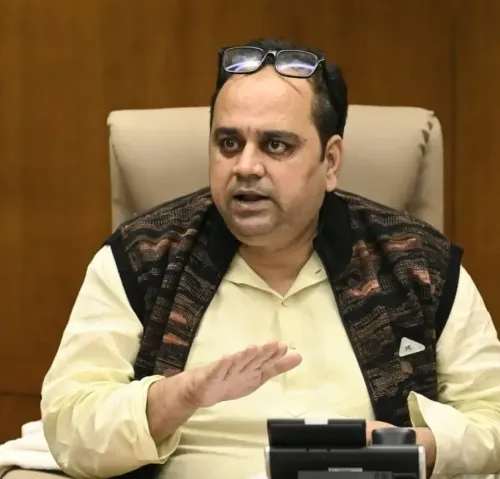
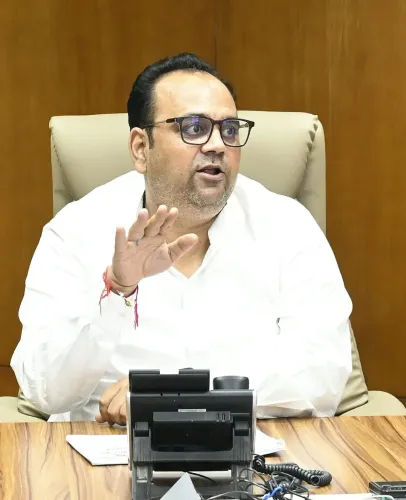
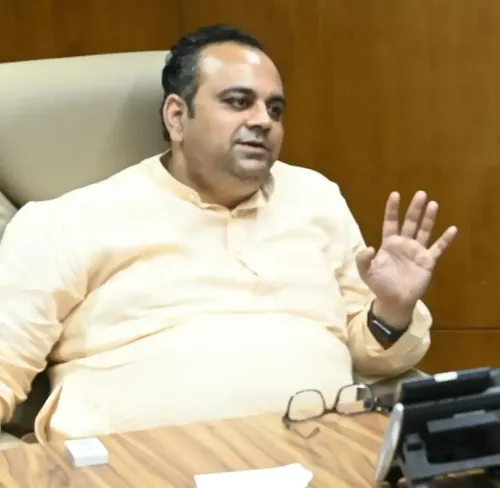
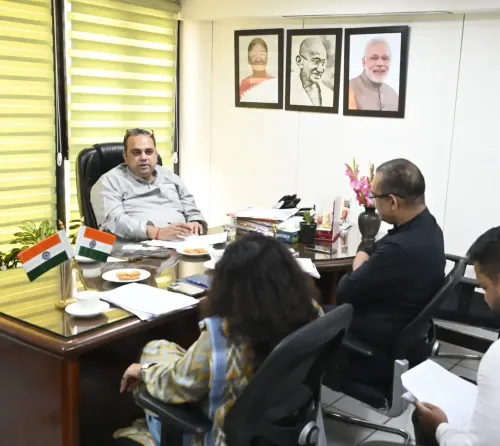
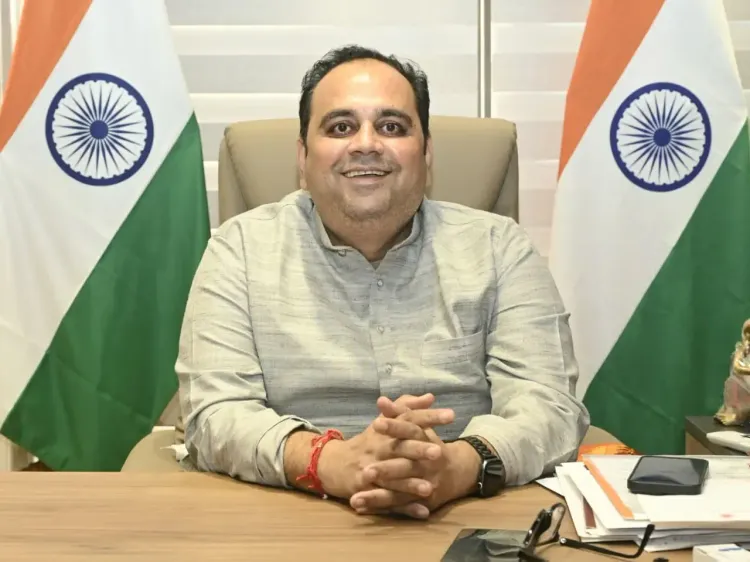
According to Delhi Transport Minister Pankaj Kumar Singh, the objective of this route reconfiguration is to extend Metro connectivity, boost commuter ease, and maintain DTC's robust financial performance.
“The newly proposed routes will facilitate quicker travel, minimize transfers, enhance first- and last-mile connectivity, decrease reliance on personal vehicles, and mitigate traffic congestion and emissions, thereby contributing to cleaner air and a more efficient urban transport system,” remarked Singh.
Under this initiative, Route No. 212 (from Anand Vihar ISBT to Anand Parvat), which currently operates with 18 buses, will be split into Route 212 and the newly introduced Route 212A, with 09 buses assigned to each route.
This optimization will significantly improve network coverage while keeping costs neutral.
With the launch of Route 212A, the total number of Metro stations linked by the corridor will expand from three to eight, including critical interchange points such as Maujpur–Babarpur, Zafrabad, Welcome, Shahdara, and Mansarovar Park, in addition to existing stations like Anand Vihar and Dilshad Garden, he noted.
Likewise, Route No. 192 (from Kashmere Gate to Keshav Nagar), which currently uses 08 buses, is set to be restructured with 04 buses continuing on the current route and 04 buses assigned to the new Route 192A.
This new alignment will boost access to high-traffic Metro stations such as Model Town, Azadpur, and Majlis Park, while enhancing connections with key nodes like Kashmere Gate, Civil Lines, Vidhan Sabha, Vishwavidyalaya, and GTB Nagar.
This initiative is expected to serve commuters from North and Central Delhi, particularly benefiting residents of Burari, Kaushik Enclave, Keshav Nagar, and nearby areas.
The reconfiguration aims to preserve revenue strength while broadening service reach, underscoring DTC's commitment to operational sustainability.
He stated, “Enhancing last-mile connectivity and seamless Metro integration is crucial to our vision for a cleaner, more efficient, and commuter-friendly transport framework. The introduction of Routes 192A and 212A illustrates our dedication to public convenience, optimal resource utilization, and sustaining DTC’s financial health, while encouraging more residents to adopt public transport.”
The proposal emphasizes DTC’s passenger-focused approach, delivering affordable, reliable, and environmentally responsible mobility solutions, while fortifying Delhi’s multimodal public transport network, he added.
Point of View
The DTC's initiative reflects a proactive approach to urban mobility, addressing the pressing need for improved public transport infrastructure. By enhancing connectivity through strategic route rationalization, this step not only caters to commuter convenience but also aligns with broader environmental goals. It's a significant stride towards a sustainable urban future.
NationPress
19 Sept 2026
Frequently Asked Questions
What are the new bus routes introduced by DTC?
The Delhi Transport Corporation has introduced two new bus routes: 192 A and 212 A, aimed at improving public transport connectivity.
How will the new routes benefit commuters?
The new routes are designed to offer faster travel, fewer interchanges, and improved access to major Metro stations, enhancing overall commuter convenience.
What areas will the new bus routes serve?
The new routes will mainly benefit commuters in North and Central Delhi, including residents of Burari, Kaushik Enclave, and Keshav Nagar.
How does this initiative impact DTC's financial performance?
The rationalization of routes is expected to maintain DTC's revenue strength while expanding service reach.
What is the goal of this route rationalization?
The primary goal is to enhance public transport efficiency, promote the use of Metro services, and contribute to a cleaner urban environment.